
Foresea expands Brazil drilling business as its five owned rigs stay with Petrobras
Its Foz do Amazonas campaign adds an exploration front, while undisclosed contract-level figures leave the revenue mix opaque.
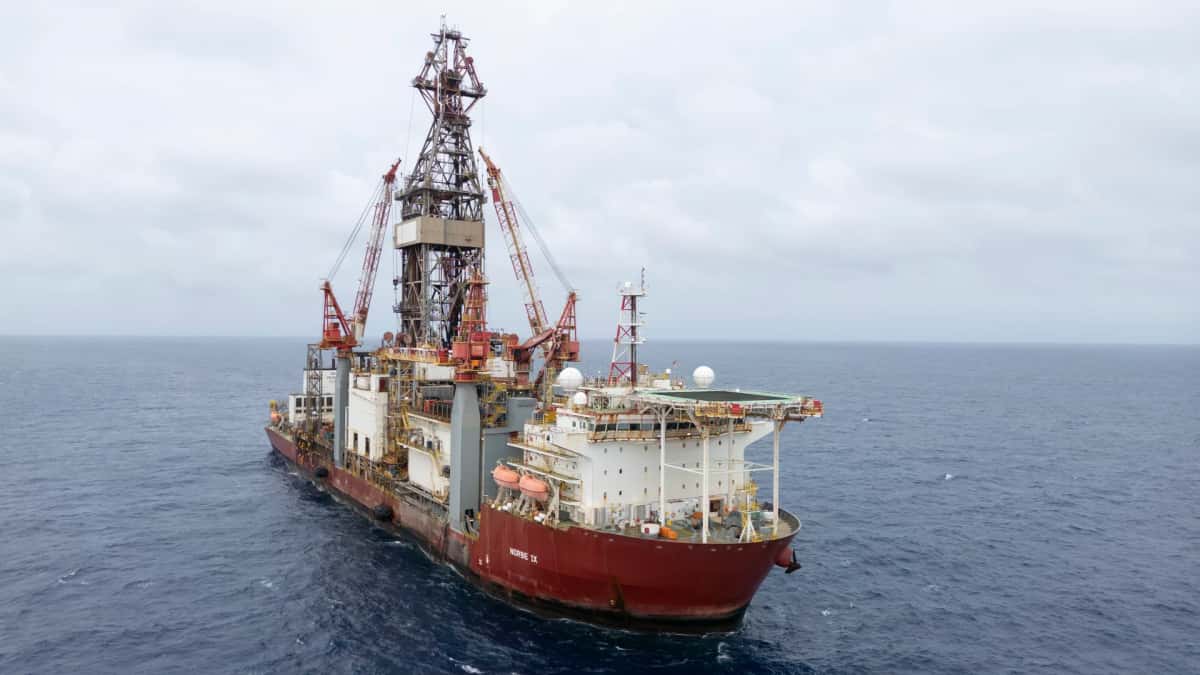
petronoticias.com.br
Why it matters: The reported reservoirs broaden Foresea’s exploration record, but their commercial value remains unquantified as every owned unit depends on one customer.
Three reservoirs — reported after the Foz do Amazonas campaign, with no dimensions or potential volumes disclosed.
US$1.7 billion — contract backlog; the company also reported the same amount in net revenue since its 2023 founding.
Five owned units — four drillships and one semi-submersible, all contracted to Petrobras through the end of 2027.
Five PRIO assets — third-party drilling units added to Foresea’s management portfolio.
Foresea completed its exploration campaign in Brazil’s Foz do Amazonas Basin in November 2026, reporting three reservoirs from drilling that began in 2025. The campaign marks a new stage for the company’s operations in Brazil’s Equatorial Margin, but the announcement did not disclose reservoir dimensions, potential volumes or commercial viability.
Founded in June 2023, Foresea has expanded through both operation of its own fleet and management of equipment owned by other companies. It reported a contract backlog of nearly US$1.7 billion and net revenue of US$1.7 billion since its founding. The company also said it invested US$290 million in asset maintenance and upgrades and returned more than US$515 million to shareholders. It did not break down contract values by rig or customer.
Foz do Amazonas follows work in the Potiguar Basin
Foresea operated in the Potiguar Basin in 2024 before beginning the first exploratory well in ultra-deep waters of Foz do Amazonas in 2025. The campaign ended in November 2026 with the company’s reported discovery of three reservoirs. The available details establish an exploration result, but do not provide enough information to assess the size or economic potential of the find.
The five units in Foresea’s owned fleet are all contracted to Petrobras through the end of 2027. The fleet comprises four drillships and a semi-submersible platform. This provides contract visibility, while concentrating the company’s owned-unit work with Brazil’s state-controlled oil company. The reported backlog was not allocated among those units or individual agreements.
PRIO asset management adds a separate growth line
Foresea also manages third-party equipment, a business in which it said it doubled its operating scale. It added management of five drilling assets belonging to PRIO, described as Brazil’s largest independent oil company. Those assets are separate from Foresea’s five owned units and should not be counted as part of its Petrobras-contracted fleet.
The company has also highlighted technical differences across its own units. It said the Norbe IX was the first rig in the Americas to use a fully automated drilling floor. Upgrades to the Norbe VIII and Norbe VI semi-submersible increased their operating flexibility in water depths below 400 metres.
Foresea said it had ranked first in all four editions of Petrobras’s Offshore Drilling Platform Operational Excellence Award and was named Brazil’s top offshore drilling contractor in 2025. The company also cited safety, environmental protection and energy efficiency priorities, but provided no quantitative indicators for those programmes. The reported reservoir dimensions, potential volumes and commercial status remain undisclosed.
More in Resources
Argentina targets US$32.7 billion in copper and lithium exports, but can it build?
The forecast leans heavily on copper, but Argentina has yet to build the large-scale operating base needed to deliver it.
Antofagasta records 40-plus robberies as mining security extends beyond sites
Copper loads, power infrastructure and digital systems widen the exposure, but the reported counts do not show how many attacks succeeded.

Gold retreats after US orders report splits between headline and capital spending
The total-orders reading and a business-investment measure diverged, leaving markets with two different readings of October demand.