
First Quantum accepts Panama’s terms, but Cobre Panamá has no reopening path
A Supreme Court ruling voided the mine’s contract, leaving negotiations to define what activity, if any, could be permitted.
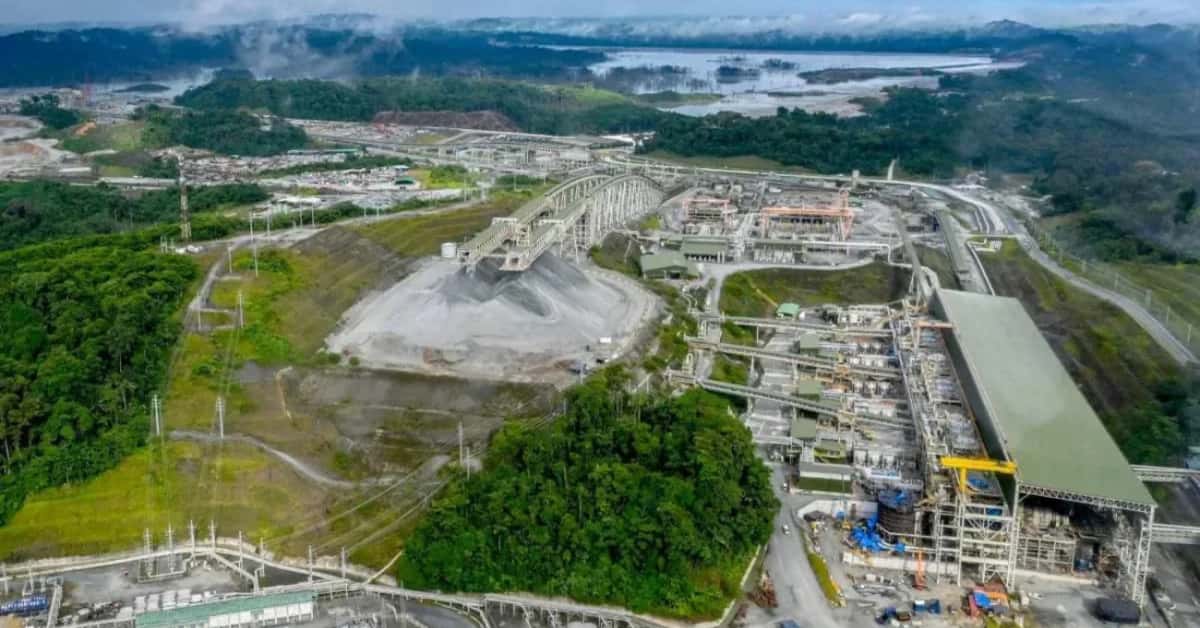
Why it matters: The talks could shape whether Panama’s largest copper operation has any lawful route to activity while the country seeks a funded closure plan.
About 1% — Cobre Panamá’s share of global copper production before its shutdown, according to the source material.
6,000 direct and 30,000 indirect jobs — First Quantum’s estimates for a potential restart.
17 recommendations — the number in a government interministerial commission’s report on the mine’s future.
First Quantum Minerals’ Panamanian subsidiary, Minera Panamá, has accepted five principles set by the government for talks on Cobre Panamá, but the agreement to negotiate does not authorize a reopening. The mine’s extraction operations have been suspended since November 2023, after the Supreme Court declared its mining contract unconstitutional.
The government announced the company’s acceptance after the first meeting between its representatives and an interministerial commission. Ministers for commerce and industry, economy and finance, and the environment took part. Authorities said the meeting was informational and that any future agreement would have to meet the government’s conditions and comply with the country’s legal framework.
The five principles govern any future agreement
Panama’s conditions state that mineral resources belong to the state and that any mining activity must deliver greater economic benefits to the country, including public revenue, jobs for Panamanian workers and opportunities for local communities. The remaining principles call for national control over territory and natural resources, high environmental standards with independent oversight, and compliance with the Constitution and existing law.
The principles do not settle the legal structure for any future activity. The government has said a new agreement would not constitute a mining concession, and the parties would need to determine what legal instrument, if any, could allow authorized work to proceed in light of the 2023 court ruling.
The negotiations also encompass First Quantum’s pending international arbitration cases against Panama and a definitive closure plan. The government says any eventual operation must include an orderly, verifiable closure funded by the company, with no extension. A limited operation to generate funds for closure is one option under consideration, but officials have not settled its duration, economic terms or operating model.
Closure funding and preserved material remain separate issues
A government interministerial commission delivered 17 recommendations on Cobre Panamá’s future on Sept. 30, 2026. It proposed assessing an agreement that could address the arbitration cases, set conditions for any potential restart and support an orderly, self-financed closure while respecting the court ruling.
The complex is carrying out preservation and environmental management activities. In April 2026, the government authorized the processing and export of mineral extracted before the shutdown. First Quantum said the work is intended to reduce environmental risks from prolonged material storage; it does not involve new drilling, blasting or extraction from the deposit.
Public participation is part of the process
The talks follow President José Raúl Mulino’s Nov. 16 instruction to begin discussions with First Quantum and establish a public participation process. The government has promised access to public information and involvement by nearby communities in line with the Escazú Agreement, and has said public visits to the site may be facilitated.
First Quantum estimates that a potential restart could support about 6,000 direct jobs, 30,000 indirect jobs and commercial opportunities for roughly 2,000 registered suppliers. Those are company projections contingent on a solution that permits mining activity; they are not an approved operating plan.
The mine’s contribution before closure was about 1% of global copper production, making its future relevant to both Panama’s economy and First Quantum’s output. But the parties have announced neither a timetable for concluding talks nor a reopening schedule. The next steps include public participation and resolving the legal, economic and environmental terms, including how any closure would be funded.
More in Resources
Cameco and Energy Fuels rally with Nvidia as uranium stocks track AI swings
A 57% slide in uranium miners had diverged from a rising long-term uranium price before Monday’s reversal.
Bolivia gold mining shrinks Inti tanager habitat as researchers lose access
The newly described endemic depends on dry forest in a narrow valley where fieldwork relies on access to areas affected by extractive activity.
Newmont Ghana jobs span mine roles, but applicants face a recruitment scam warning
The official listings cover Ahafo’s operating sites, while outside offers also claim a route into Newmont hiring.