
CuFe combines Orlando and Gecko in Tennant Creek plan as early feed remains unproven
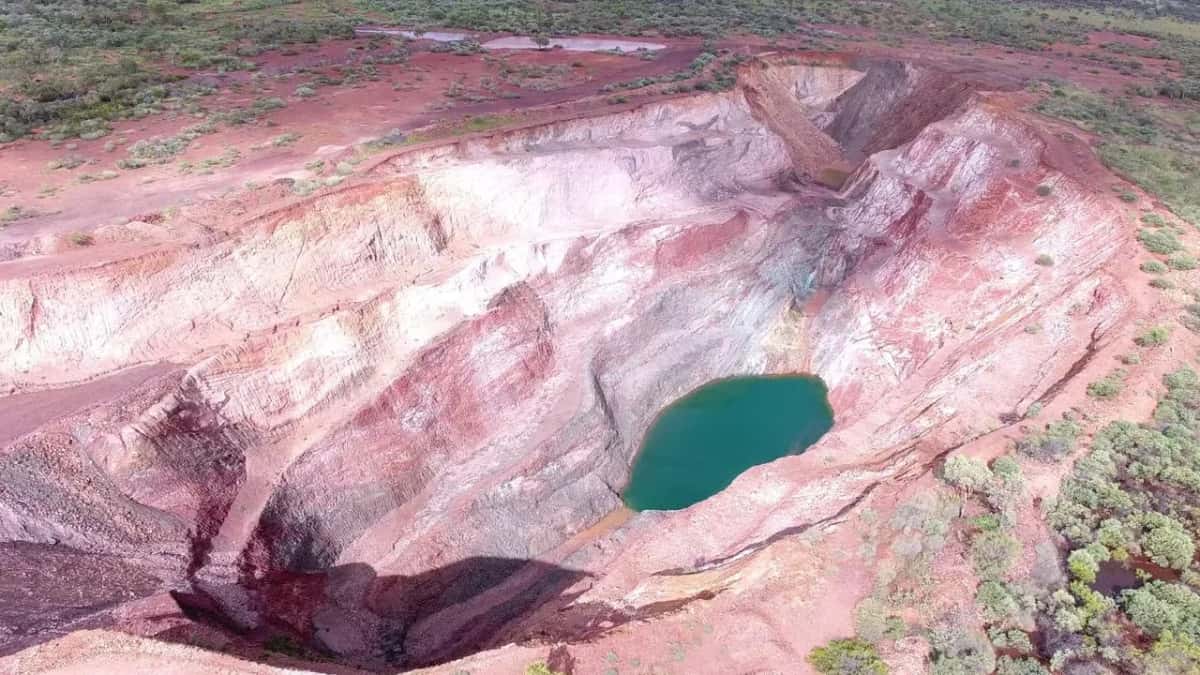
Historical dumps could supply material before a full mine development, but CuFe still needs to establish their volume and grade.
ntnews.com.au
Why it matters: A shared development plan could change the scale and costs of CuFe’s Tennant Creek project, but early material from old dumps remains unverified.
55% — CuFe’s current interest in the Tennant Creek project
45% — the remaining interest CuFe has conditionally agreed to acquire
Before the end of 2026 — target timing for the combined scoping study
Early 2027 — target timing for an updated Orlando resource estimate
CuFe is preparing a scoping study that combines the Orlando and Gecko deposits at its Tennant Creek copper-gold project in Australia’s Northern Territory. Mine planning and cost estimates for Gecko are complete, while financial modelling continues; the integrated study is expected before the end of 2026.
The work will assess how adding Gecko changes the development case CuFe presented for Orlando in May, which includes open-pit and underground mining. CuFe holds a 55% interest in the project and has signed a conditional agreement to acquire the remaining 45%.
Shared-plant work will feed into the study
The Tennant Creek Copper Alliance (TCCA) has completed technical engineering and cost work for a proposed multi-user processing plant in the district. Its final report is being prepared, and the capital and operating cost estimates are expected to inform CuFe’s integrated analysis.
Formed in October 2024, the alliance includes CuFe, Emmerson Resources—later acquired by Pan African—and Tennant Minerals. The participating companies and the Australian and Northern Territory governments jointly funded the study. CuFe said the plant design and process flowsheet could also inform a standalone development option, but the work does not amount to a construction decision.
Drilling and resource work continue
Initial reverse-circulation drilling samples are at the laboratory, with assays expected in December. After a delay in mobilising a rig, CuFe secured a replacement diamond drill rig, which the company expected to be on site during the week it reported the update. Core from the drilling is intended for metallurgical, geotechnical and waste-characterisation studies.
A helicopter-borne magnetotelluric survey is also under way. Its subsurface resistivity measurements are intended to help prioritise targets for a 2027 drilling campaign. At Orlando, CuFe is reviewing the boundaries of mineralised zones to test whether they extend beyond the continuity shown in the current model. An independent consultant will review the interpretation and prepare a JORC-compliant resource estimate, targeted for early 2027. CuFe plans to apply the same approach at Gecko afterwards.
Historical dumps need testing before they can provide feed
CuFe is assessing material at Orlando and Gecko that was below the cut-off grades used by previous operators. The company is investigating whether it could be crushed, screened and sorted for sale as feed to a concentrator before the broader project is developed.
Environmental consultants are helping CuFe seek approval to drill or trench the deposits, work needed to establish their volume and grades. The district has a precedent: Tennant Mines’ Nobles gold operation began with higher-grade material recovered from historical dumps. That example shows the approach has been used locally, but does not establish that the Orlando and Gecko material is suitable. The early-feed option therefore depends on the results of the proposed sampling and assessment.
More in Resources

Zelenskyy turns to US Congress as 48 Patriot interceptors await approval
Kyiv wants tougher pressure on Moscow, while Russian strikes are widening the demands on Ukraine’s air defences.
Osisko expands Gaspé Copper resources, but current drilling is still outside the estimate
The revised pit model uses a lower reporting cut-off, while assays from the active campaign have yet to be incorporated.
McLanahan revised an Australian gold plant's HPGR circuit before agglomeration
A bid review found the HPGR discharge was too flake-like for the plant's planned sampling and agglomeration route.