
Copper's 11-session slide puts Chile's 2027 price benchmarks under pressure
Chile's output is falling too, leaving export revenues exposed if the international correction persists.
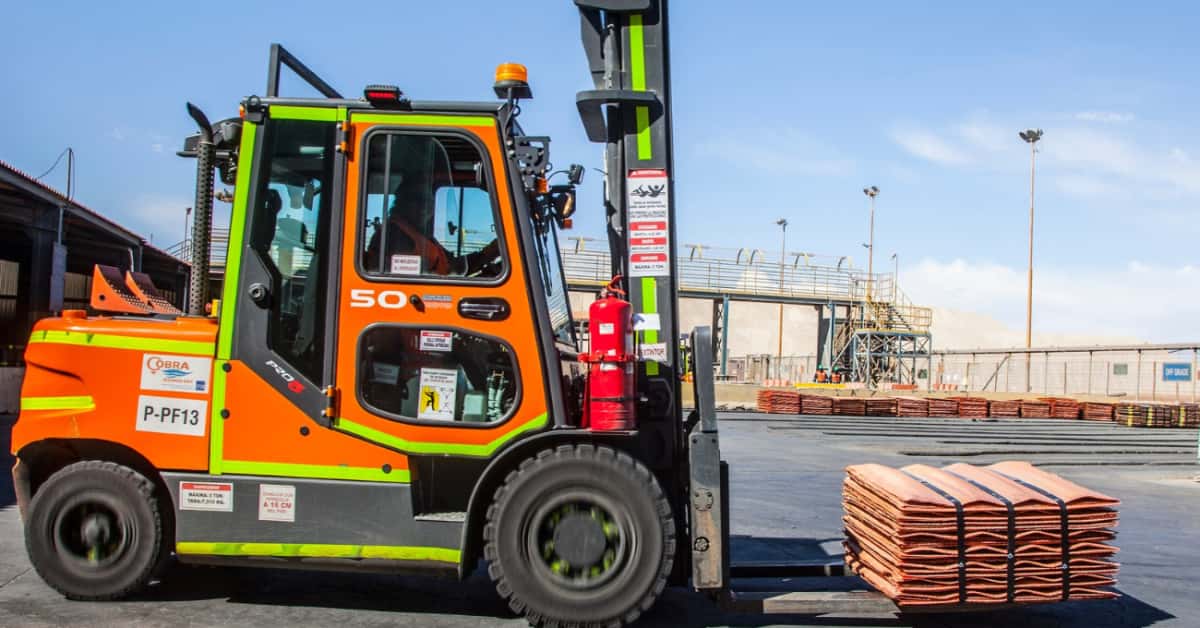
Why it matters: The price pullback is hitting Chile as its copper production contracts, increasing exposure for export earnings and public revenues.
US$5.46/lb — copper's price on Nov. 24, down 1.07% on the day.
11 sessions — the length of the consecutive losing streak on the London Metal Exchange.
3.63 million tonnes — Chile's copper output from January to September, down 8.5% year on year.
27.50 million tonnes — Cochilco's forecast for global refined copper demand in 2026.
Copper fell to US$5.46 per pound, or US$12,035 per metric tonne, on Tuesday, Nov. 24, extending its decline to 11 consecutive sessions on the London Metal Exchange. The price was down 1.07% for the day, according to figures reported by Chile's Ministry of Mining.
The latest price is about 11.1% below copper's year-to-date average of US$6.14 per pound and roughly 19% below its record high of US$6.74 per pound, reached on Aug. 17. The sustained retreat has also put the market below Chilean government price assumptions for 2027.
Copper falls below Chile's 2027 assumptions
Chile's Finance Ministry used an average copper price of US$5.65 per pound for 2027, while the Chilean Copper Commission, or Cochilco, forecast US$5.95 per pound. The current price is below both benchmarks, although a spot price and a projected annual average are not directly equivalent.
Cochilco's latest Copper Market Trends Report estimated an average price of US$6.18 per pound for 2026, citing the difficulty of global mine supply keeping pace with demand growth. The year-to-date average had slipped to US$6.14 by Nov. 24. Prices in the remaining weeks of the year will determine the final annual average, the agency said.
Chile's production decline compounds the price retreat
The market correction coincides with weaker mine output in Chile. National copper production reached 3.63 million tonnes in the first nine months of 2026, an 8.5% decline from the same period a year earlier, Cochilco reported.
The agency attributed pressure on operations to lower ore grades, interruptions and maintenance. It forecasts full-year production of 4.94 million tonnes, which would represent an 8.4% annual contraction. Lower output limits the country's ability to benefit from the higher prices recorded through much of the year; a continued decline in both prices and production could weigh on export receipts and tax revenues.
Global supply and demand remain finely balanced
Cochilco expects global mine production to fall 0.6% in 2026, while demand for refined copper is forecast to rise 1.5% to 27.50 million tonnes. Despite that demand growth, the agency projects a refined-copper surplus of 144,000 tonnes this year.
That surplus is small relative to global consumption, leaving the market exposed to supply disruptions or shifts in demand. Cochilco's 2026 price estimate remains above the current year-to-date average, but the final average will depend on trading in the weeks ahead.
More in Resources
Acenor challenges Chile's ancillary-services market over cost allocation
With regulators considering new grid services, industrial users want proof that each charge meets a measurable system need.
Chile's October solar approvals all include batteries, testing its 2030 storage goal
The approvals add generation across three regions, while projects already under construction could alter the timetable for Chile's storage ambitions.

World Gold Council’s digital gold pilot tests whether bullion claims can travel
The trial comes as the UK examines how tokenised gold should be traded, held and used as collateral.