
Copper rebounds to US$5.58/lb, but rising inventories complicate the recovery
China’s industrial gains support demand expectations, while the physical market and US rate outlook point in another direction.

Why it matters: A sharp weekly reversal in copper prices came alongside rising exchange stocks, leaving miners and buyers to weigh stronger sentiment against greater visible supply.
US$5.58/lb — LME spot copper close on Nov. 27, up 0.66% for the week.
1,105,660 tonnes — combined copper stocks at the London, New York and Shanghai exchanges.
71% — year-on-year increase in combined exchange inventories.
US$6.13/lb — average copper price recorded so far in 2026.
Copper recovered to US$5.58 per pound on the London Metal Exchange on Friday, Nov. 27, reversing losses earlier in the week and ending the five-session period up 0.66%. The rebound followed a Wednesday low of US$5.31/lb, but came as inventories across the LME, COMEX and Shanghai Futures Exchange continued to build.
The move reflected improving financial markets and stronger industrial-profit data from China, the world’s largest copper consumer. However, US inflation, interest-rate expectations and the scale of exchange stocks left the market without a clear signal that the recovery would persist.
Copper reverses a midweek drop
Copper opened the week at US$5.52/lb on Monday and slipped to US$5.46/lb on Tuesday. It fell 2.76% on Wednesday to its weekly low before rising 2.24% on Thursday to US$5.43/lb. Friday’s 2.90% gain took the LME spot price to US$5.58/lb, equivalent to US$12,311.50 per tonne.
The swings tracked changes in financial-market sentiment, expectations for US interest rates and signals from China. The weekly gain recovered the earlier losses, but did not erase the broader correction: copper averaged about US$5.99/lb in November through Nov. 27, below October’s US$6.59/lb average.
China supports sentiment as physical-market signals diverge
China’s industrial-company profits rose 20.1% year on year in October, accelerating from 14.4% growth in September. Results from electronics and non-ferrous metals industries helped improve expectations for manufacturing activity and copper demand.
But the Yangshan copper premium, a measure of the additional cost of importing refined copper into China, fell from peaks near US$500 to about US$320 per tonne. The decline points to expectations of greater import availability, even as the premium continues to reflect differences between Chinese and other regional supply conditions.
In the United States, personal consumption expenditures inflation reached 3.8% year on year in October, with core inflation at 3.3%. A revised estimate put third-quarter economic growth at an annualised 4.3%. The data reinforced concern that inflation could keep monetary conditions restrictive. Higher rates can raise the cost of financing inventories and industrial projects, while a stronger US dollar makes dollar-priced copper more expensive for buyers using other currencies. The dollar index reached a 22-month high during the week before easing.
Exchange stocks add to the supply-side counterweight
Combined inventories at the three exchanges reached 1,105,660 tonnes, up 12,356 tonnes, or 1.1%, over the week. The LME held 338,325 tonnes, COMEX 731,858 tonnes and Shanghai 35,477 tonnes. The figures use each market’s latest available reporting cut-off, including Nov. 25 for COMEX.
Combined stocks were 71% higher than in November 2025. The United States accounted for about 66.2% of the total, while Shanghai held 3.2%. The regional concentration matters because metal held in one market does not necessarily meet demand in another. In London, spot copper closed slightly below the three-month contract, a contango structure consistent with less immediate pressure for delivery.
Chile’s price backdrop and the next market tests
The year-to-date average of US$6.13/lb was 38.36% above the same period in 2025, despite November’s decline from October. For Chile, the world’s largest copper producer, price movements affect export revenues, miners’ results and government revenue, as well as the assumptions used to assess projects requiring major investment in infrastructure, processing, energy and water.
The market will next assess manufacturing indicators from China and the United States, US labour data that could shift expectations for Federal Reserve policy, and changes in exchange stocks and Chinese import premiums. Traders will also monitor the suspension of Ero Copper’s Tucumã mine in Brazil following extreme weather and water-quality issues. Those indicators will help determine whether the late-November rebound holds as the market moves into December.
More in Resources

Chile’s peso faces a December test as copper rebounds and Fed risks loom
Copper's recovery is offering support, but 10% unemployment and two upcoming rate decisions leave the peso's direction unresolved.

Peru’s copper base expands as La Granja’s processing economics remain unresolved
La Granja’s scale is clear, but metallurgy, power and infrastructure must still support a viable operation.
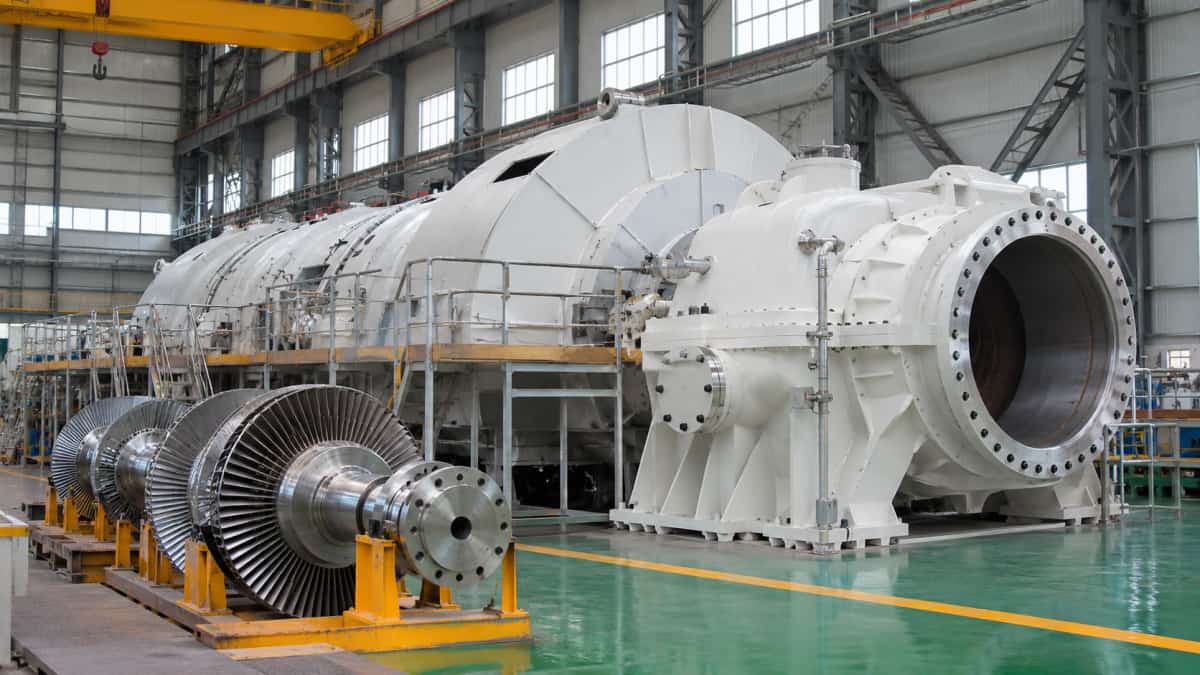
China’s 600 MW compressed-air expander clears tests, but plant performance remains unproven
The machine is twice the scale of equipment at operating projects, but its power rating alone does not show how long it can discharge.