
Chile’s peso faces a December test as copper rebounds and Fed risks loom
Copper's recovery is offering support, but 10% unemployment and two upcoming rate decisions leave the peso's direction unresolved.

Why it matters: Exchange-rate swings can lift peso-denominated costs for Chilean miners even as they increase the local-currency value of export revenue.
$1,037.91 — Chile’s observed dollar rate on November 27.
Above US$5.50/lb — copper’s level on Friday after a weekly correction.
10% — Chile’s unemployment rate in August–October.
The US dollar entered the final month of 2026 near recent highs in Chile, with the observed rate at $1,037.91 on November 27 after trading close to $1,050 during November. A late-week recovery in copper offered some support to the peso, but weak employment data and uncertainty over US monetary policy could limit any rebound.
The exchange rate had risen from $1,017.17 on November 23 to $1,044.08 on November 26, before easing on Friday. Market trading ended that day around $1,036. The dollar’s continued position above $1,000 reflects both international strength in the US currency and weaker domestic economic prospects.
For mining companies, the movement affects more than export receipts: it also changes the peso cost of local wages and services, imported equipment and other inputs.
Copper’s recovery meets pressure on the peso
Copper moved back above US$5.50 per pound on Friday after a sharp correction during the week. Whether it can sustain that recovery in December will depend in part on Chinese manufacturing activity, international financial conditions and inventory trends. China is the leading consumer of the metal, making signs of weaker demand relevant to both Chilean export prospects and the currency.
A stronger copper price can support the peso by improving the outlook for export earnings, but the effect is not automatic. Broad-based strength in the US dollar can offset the currency benefit of a recovery in commodities.
Fed and Chilean rate decisions come into focus
The US Federal Reserve is scheduled to hold its final monetary-policy meeting of the year on December 8–9, followed by the Central Bank of Chile’s rate decision on December 15. Persistent US inflation has reinforced expectations of a possible rate increase. Tighter US policy could make dollar-denominated assets more attractive and weigh on emerging-market currencies.
Chile’s policy rate stands at 4.5%, with the economy facing weak momentum and a deteriorating labour market. The unemployment rate reached 10% in August–October and 10.5% in the Santiago Metropolitan Region. Weaker employment could constrain domestic consumption and growth, while also reducing the appeal of local assets relative to higher-yielding alternatives abroad.
Dollar scenarios carry different costs for miners
Reference scenarios for December range from $990–$1,020 if copper recovers and the US dollar weakens, to $1,050–$1,080 if copper falls further and the US currency strengthens. An intermediate case places the rate at $1,020–$1,050 amid continued financial uncertainty and relatively stable copper. These are conditional analytical ranges, not official forecasts or guaranteed trading levels.
Santander revised its end-2026 dollar estimate in November from $940 to $1,000. For exporters, a weaker peso can increase the local-currency value of dollar-denominated sales while easing the peso cost of some domestic expenses. But imported machinery, spare parts, fuel, automation systems and processing chemicals can become more expensive. Suppliers with imported products and peso-denominated contracts also face currency exposure.
That mix can affect mining budgets, equipment purchasing and project financing as companies plan for 2027. The December scenarios remain contingent on copper, monetary decisions and domestic conditions; they are not fixed forecasts of where the exchange rate will settle.
More in Resources
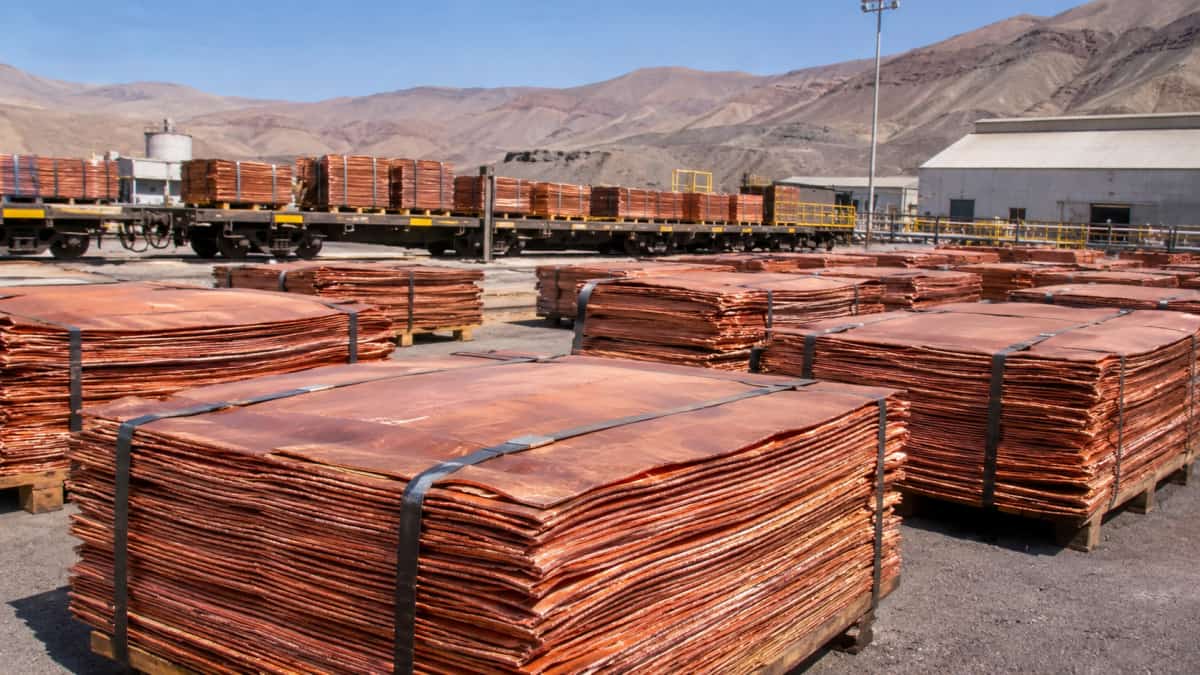
Copper rebounds to US$5.58/lb, but rising inventories complicate the recovery
China’s industrial gains support demand expectations, while the physical market and US rate outlook point in another direction.

Peru’s copper base expands as La Granja’s processing economics remain unresolved
La Granja’s scale is clear, but metallurgy, power and infrastructure must still support a viable operation.
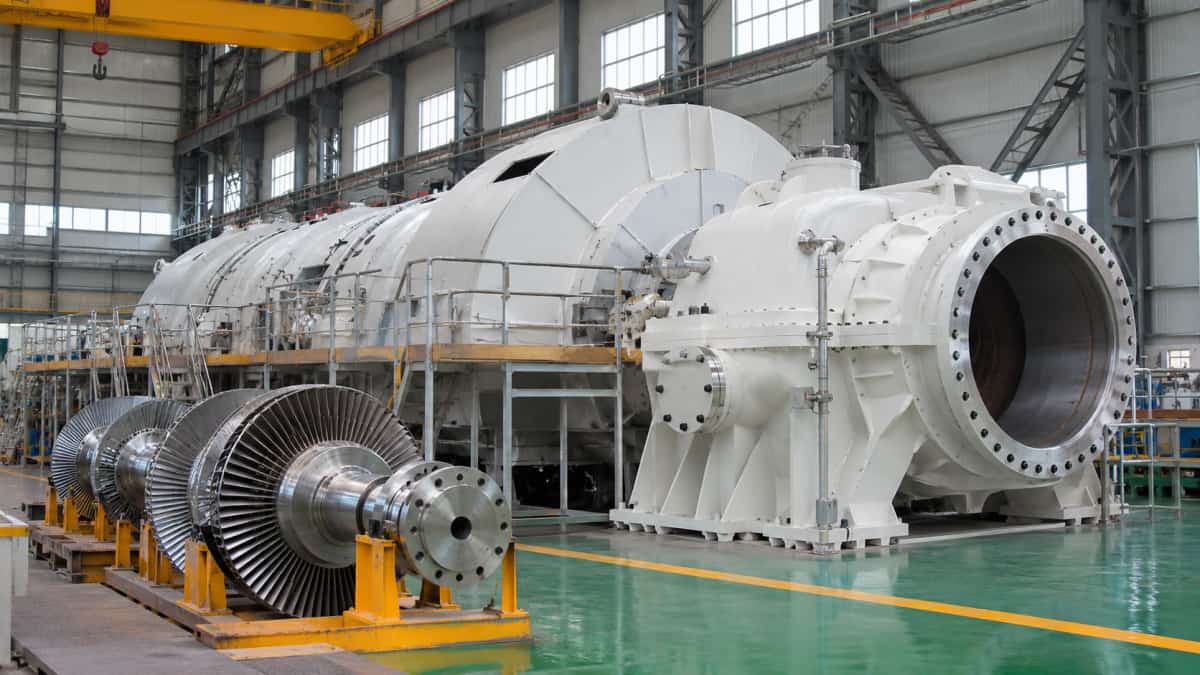
China’s 600 MW compressed-air expander clears tests, but plant performance remains unproven
The machine is twice the scale of equipment at operating projects, but its power rating alone does not show how long it can discharge.