
China's copper smelters turn to Malaysia as arsenic limits narrow supply
Port Klang can help prepare feed for Chinese plants, but blending redistributes impurities rather than removing them.
Why it matters: When smelter capacity outpaces suitable concentrate supply, feed quality can shape trade routes, treatment costs and the terms available to miners.
289,000 tonnes — estimated global copper concentrate deficit for 2026, compared with about 2,000 tonnes in 2025.
US$-247.20 per tonne — spot treatment and refining charge reported on November 6.
0.4% — projected growth in concentrate production in 2026, followed by about 4% in 2027.
About 64% — share of Chile’s copper production represented by concentrate in 2025.
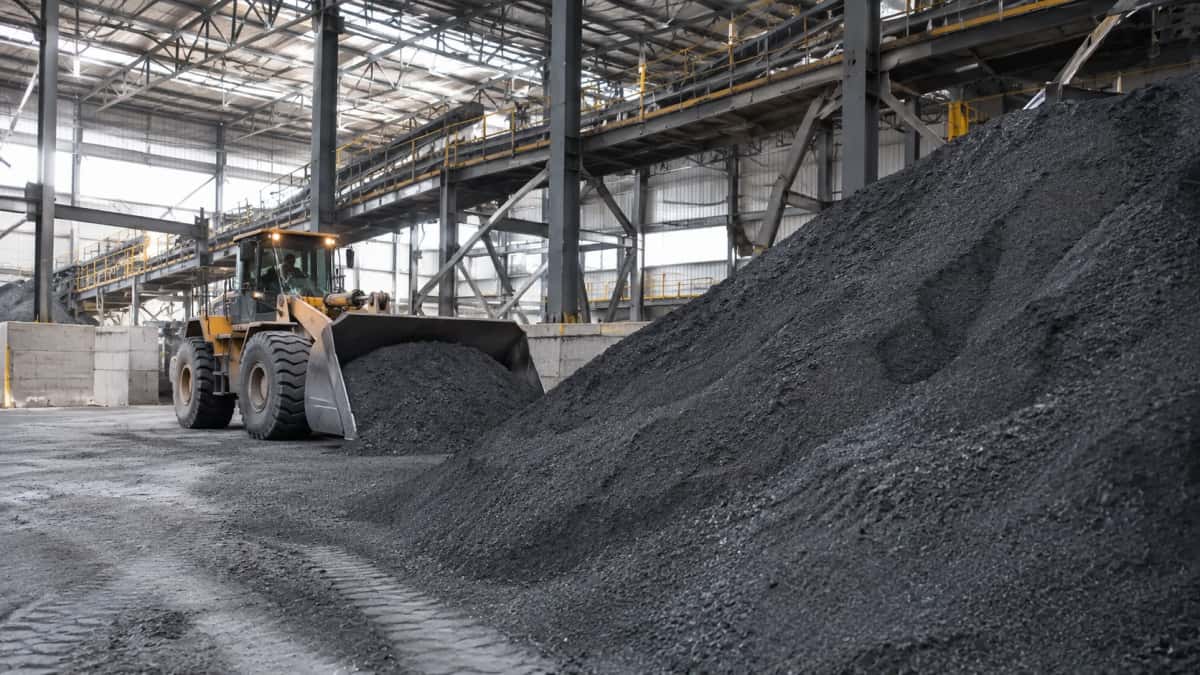
China Minmetals Nonferrous Metals and China Copper are blending copper concentrates at Port Klang in Malaysia before shipping the material to Chinese industrial facilities, as tight supply and arsenic restrictions complicate access to suitable smelter feed.
China Copper has used port facilities for the work for about a year, while China Minmetals began experimental operations in the third quarter of 2026. The companies combine concentrates with different chemical characteristics to prepare more uniform cargoes that can meet import and processing requirements. No public figure has been confirmed for the total volume handled through the Malaysian operations.
Blending broadens the feed pool, not the limits on impurities
China restricts certain elements in imported concentrates, including arsenic, because of environmental, health and operational risks. Concentrates that cannot be used directly may become more compatible with smelter requirements when mixed with material containing lower impurity levels.
But blending does not remove contaminants. It redistributes their concentrations across a larger load, leaving smelters to manage the elements through subsequent processing and environmental controls. The use of a foreign port gives companies flexibility to combine material from different origins. China also permits blending in some port areas under customs control, subject to restrictions on how the work is conducted.
The market pressure behind the strategy extends beyond arsenic. Supply disruptions, modest mine growth and expanding smelting capacity have contributed to an estimated 289,000-tonne deficit in the global concentrate market in 2026, up from about 2,000 tonnes in 2025. Concentrate production is expected to grow 0.4% this year and close to 4% in 2027, but that forecast does not establish that the imbalance will disappear.
Negative treatment charges reflect competition for feed
The shortage has put pressure on treatment and refining charges, or TC/RCs, which smelters traditionally receive for converting concentrate into refined copper. The annual benchmark charge reached US$0 per tonne in 2026, while spot-market terms turned negative. On November 6, the spot charge was reported at approximately US$-247.20 per tonne.
At negative charges, the usual economic relationship reverses: smelters effectively pay a premium to secure concentrate rather than receiving a fee for processing it. That can improve terms for some miners while squeezing independent smelter margins. Concentrates with lower arsenic, antimony, bismuth and other impurities can also carry added commercial value because they may help make more complex material usable in a blended feed. Material with higher impurity levels, by contrast, can face penalties, special treatment requirements or limits on market access.
Chile’s exposure goes beyond export volumes
The shift matters to Chile, which supplied about 23% of global concentrate production in 2025. Concentrate accounted for roughly 64% of the country’s copper output, and about two-thirds of Chilean concentrate exports went to China, making Chinese smelter requirements an important commercial factor for local producers.
Chile has nominal annual treatment capacity of about 5.44 million tonnes of concentrate, but its facilities use approximately 60% of that capacity. Raising domestic processing therefore depends not only on building plants, but also on operational continuity, modernisation, cost control, metallurgical recovery and environmental compliance. Better characterisation and management of impurities could broaden commercial options for Chilean operations as feed chemistry becomes more influential in trade.
Routing material through Malaysia adds handling, storage, transport, quality-control and environmental-management costs. Its commercial case depends on whether the wider access to usable feed outweighs those expenses. Forecast mine supply growth in 2027 may ease some pressure, but the balance between concentrate availability, smelter capacity and chemical specifications remains unresolved; the volume processed at Port Klang has not been publicly disclosed.
More in Resources
Meta’s AI expansion lifts emissions 45% as its 2030 net-zero target comes under review
Renewable-power contracts match annual electricity use, but they do not cover the emissions embedded in servers, equipment and construction.
Chile's copper output could rebound in 2027, but 2026 losses loom large
Three major operations drove most of the nine-month decline, while falling ore grades add pressure beyond this year's disruptions.
BHP maps up to US$17.4bn for South Australia copper growth, but key gates remain
The staged mine and smelter build depends on water and power projects that must advance alongside the expansion.