
BHP maps up to US$17.4bn for South Australia copper growth, but key gates remain
The staged mine and smelter build depends on water and power projects that must advance alongside the expansion.
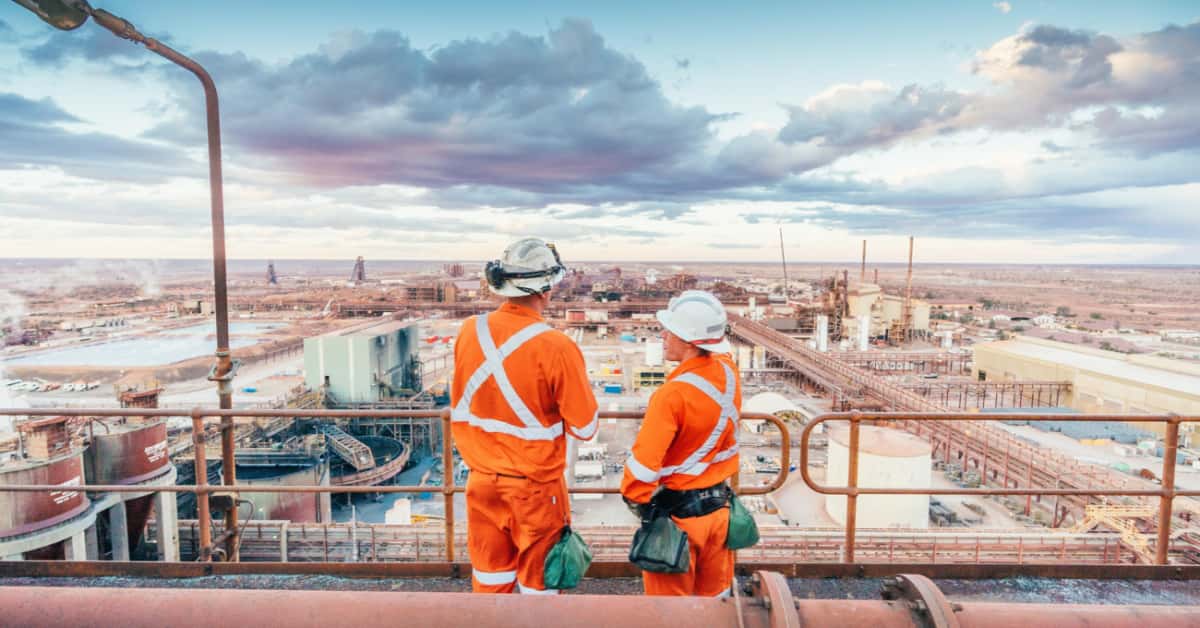
Why it matters: BHP’s plan would make South Australia a larger pillar of its copper business, but its production targets depend on several projects still awaiting investment decisions.
US$13.6bn–US$17.4bn — estimated total investment for the Copper South Australia program.
500,000 tonnes a year — first production milestone, targeted for around 2035.
650,000 tonnes a year — planned copper production target by 2040.
360 kilometres — approximate pipeline length proposed for the Northern Water project.
BHP has outlined a US$13.6 billion to US$17.4 billion expansion program for its Copper South Australia operations, targeting annual copper production of 650,000 tonnes by 2040. The plan covers Olympic Dam, Carrapateena, Prominent Hill and the Ankata deposit, and combines mine expansions with higher smelting capacity and new water and power infrastructure.
The company’s first milestone is about 500,000 tonnes of copper a year around 2035. A second phase, involving Ankata or deeper areas of Olympic Dam, could begin producing in 2038 and contribute to the 2040 target. BHP presented the program during an investor and analyst visit to Olympic Dam, describing a staged approach rather than a single development decision.
Mine and smelter projects carry the first phase
BHP estimates that the first phase of mining and processing projects would require US$9.1 billion to US$11.6 billion. At Carrapateena, the company is assessing a block-caving operation about 450 metres below the existing underground mine. The proposed investment is US$1.8 billion to US$2.1 billion, with a possible final investment decision in the first half of 2028 and production targeted for fiscal 2030.
Olympic Dam’s mine and concentrator expansion is estimated at US$4.1 billion to US$5.4 billion. The project would use large-scale underground mining to access greater volumes of ore. BHP could make an investment decision in 2029, with production expected to start in fiscal 2034.
A separate smelter and refinery expansion, estimated at US$3.2 billion to US$4.1 billion, would lift treatment capacity to about 1.1 million tonnes of concentrate a year. BHP is considering an investment decision in the second half of 2027. The second phase carries a further estimated US$4.5 billion to US$5.8 billion in investment. The company estimates an internal rate of return of 14% to 17% for the first-phase growth program, while noting that projects remain at different study stages and require corporate approval.
Water and power infrastructure are prerequisites
The proposed Northern Water system includes marine infrastructure, a desalination plant and about 360 kilometres of pipeline to carry water inland. BHP says the project would reduce reliance on groundwater sources, including the Great Artesian Basin. A final investment decision is expected in 2027, with initial water supply planned for fiscal 2032.
BHP is also evaluating options to increase electricity transmission capacity to Olympic Dam. The operation currently has about 300 MW available; the alternatives range from incremental upgrades to a larger expansion that could raise capacity to 780 MW. The company has not specified a final option.
Australian growth supports BHP’s wider copper target
BHP aims to increase attributable copper production across its business to about 2 million tonnes a year by 2035 and estimates Copper South Australia could provide roughly one-third of that growth. The Australian operations also produce gold, silver and uranium. Including the value of those by-products, BHP projects copper-equivalent output approaching 1 million tonnes a year by 2040; that is not a copper-only production target.
The company’s outlook also assumes global copper demand rises about 30% by 2040 to more than 45 million tonnes a year. BHP’s proposed expansions remain subject to study outcomes and investment approvals, including decisions on Northern Water, the smelter and the individual mine projects.
More in Resources
Meta’s AI expansion lifts emissions 45% as its 2030 net-zero target comes under review
Renewable-power contracts match annual electricity use, but they do not cover the emissions embedded in servers, equipment and construction.
Chile's copper output could rebound in 2027, but 2026 losses loom large
Three major operations drove most of the nine-month decline, while falling ore grades add pressure beyond this year's disruptions.

Bank of America sees Chilean peso recovery in 2027, but sets no target
The dollar recently traded near $1,020 in Chile, while the bank’s thesis depends on a reversal in copper and oil conditions.