Chile’s US$111.149bn mining pipeline sets a record, but permits remain a test
Two major lithium projects remain in environmental review, putting the delivery of a large share of the pipeline’s growth to the test.
Why it matters: The pipeline combines proposed lithium expansion with large copper investments needed to sustain output, but its value depends on projects moving beyond planning.
US$111.149bn — projected investment across the 2026–2035 portfolio
72 projects — 13 more than in the previous estimate
US$10.8bn — projected lithium investment, up from US$4.7bn
84.5% — copper’s share of the total portfolio
Chile’s mining investment portfolio for 2026–2035 has reached a record US$111.149 billion, according to an updated estimate from the Chilean Copper Commission (Cochilco), with two large lithium projects still undergoing environmental review. The portfolio covers 72 projects and is up 6.3%, or US$6.6 billion, from the previous estimate of US$104.549 billion for 2025–2034.
The updated figures were presented on November 19, 2026, during the presidential delegation’s visit to China. Economy and Mining Minister Daniel Mas announced the estimate, while Cochilco acting executive vice-president Claudia Rodríguez presented it to international industry representatives at the World Copper Conference Asia.
Lithium accounts for most of the increase
Lithium investment in the portfolio rose to US$10.8 billion from US$4.7 billion, an increase of about 130%. The US$6.1 billion difference represents approximately 92% of the portfolio’s net increase.
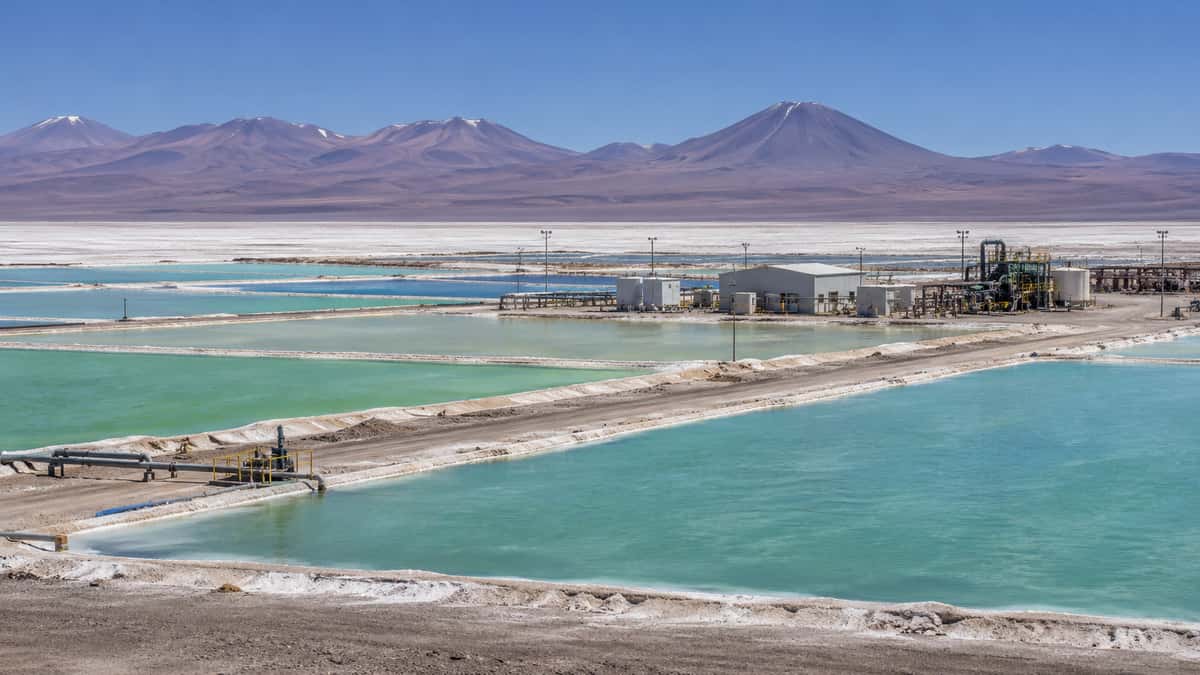
Two projects account for that projected lithium investment. Salar Futuro, estimated at US$3 billion, is being developed by Novandino Litio, the company linked to the Codelco-SQM association under Chile’s National Lithium Strategy. Albemarle’s US$3.1 billion Transition to Direct Lithium Extraction (TED) project is intended to introduce direct extraction technology at its operations. Both projects are in environmental review.
Direct lithium extraction aims to change how lithium is recovered from brines. Its industrial performance will depend on factors including recovery efficiency, energy requirements, water use, brine characteristics and economic viability. The portfolio identifies proposed investment; it does not mean that the projects have secured all approvals, financing or construction commitments.
Copper still dominates the capital requirement
Copper represents 84.5% of the portfolio, or approximately US$93.9 billion. The proposed spending reflects the scale of investment required to develop projects and sustain existing capacity as mines face ageing deposits, declining grades and the need to process larger volumes of material. Some investment is intended to maintain production rather than add new output.
At Escondida, BHP’s US$1.3 billion Extension of the B1 Leach Pad project is intended to maintain annual cathode production of 210,000 tonnes. Capstone Copper’s US$500 million Mantos Blancos capacity improvements are expected to extend the operation’s life to 2041 and lift sulphide extraction to 9.8 million tonnes a year.
The portfolio also concentrates investment geographically. Antofagasta accounts for US$51.544 billion, nearly half of the national total. The scale of activity creates potential demand for engineering, construction, maintenance, transport and technology suppliers, although the amount of work that reaches contractors will depend on project schedules and execution decisions.
Approvals and financing will shape delivery
The portfolio is an inventory of identified investment over the coming decade, not a forecast of spending already committed or completed. Projects must progress through environmental and sectoral permits, engineering, financing and construction decisions; budgets and schedules can change along the way.
Chile’s proposed reform of sectoral permitting is intended to improve administrative coordination and provide greater clarity for investment procedures. Its effect on development timelines will matter for projects still in review, including Salar Futuro and TED. Construction costs, equipment availability, mineral prices and financing conditions will also influence which proposals advance.
The portfolio therefore signals potential activity, but does not establish how much new production or employment will result. The next concrete test for the two lithium projects is the outcome of their environmental evaluations; across the wider portfolio, the share that reaches construction will determine how much of the projected capital becomes operating capacity.
More in Resources
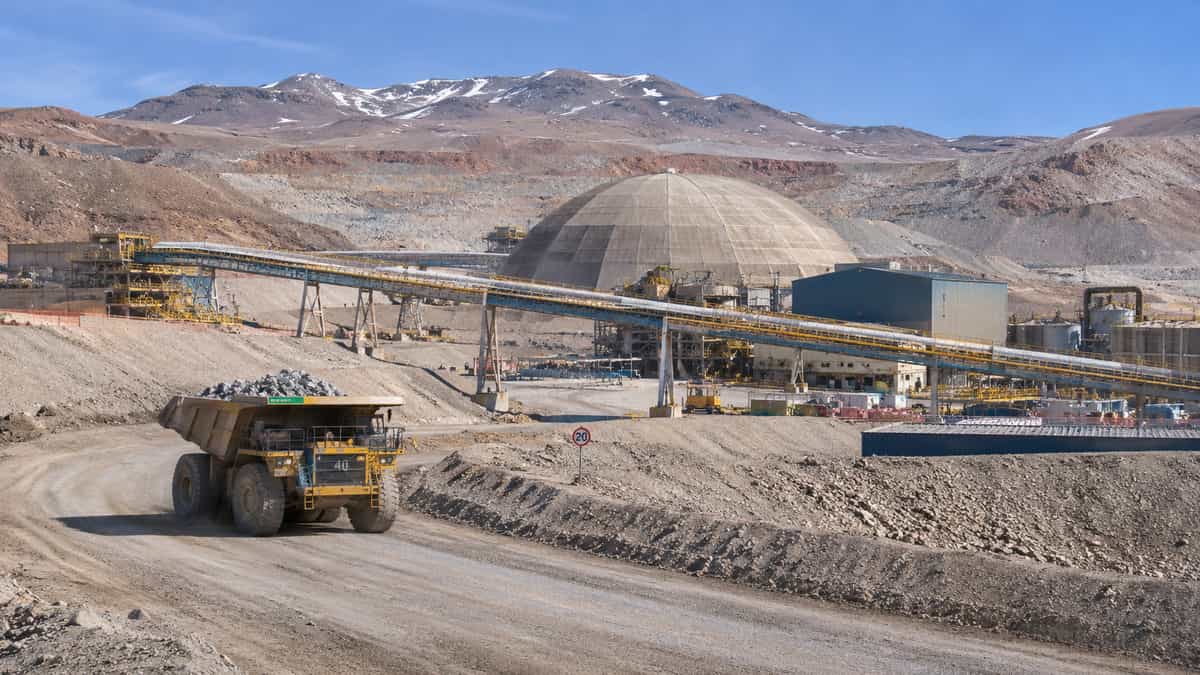
Codelco faces two serious charges that put Ministro Hales’ permit at risk
The missing baghouse is one of two alleged failures; the case also tests how Codelco documented dust controls at the Calama operation.

Mercuria flags recession-like copper demand as Chinese stocks tighten
Copper’s AI-linked rally is losing conviction as China faces a squeeze on immediately available metal.
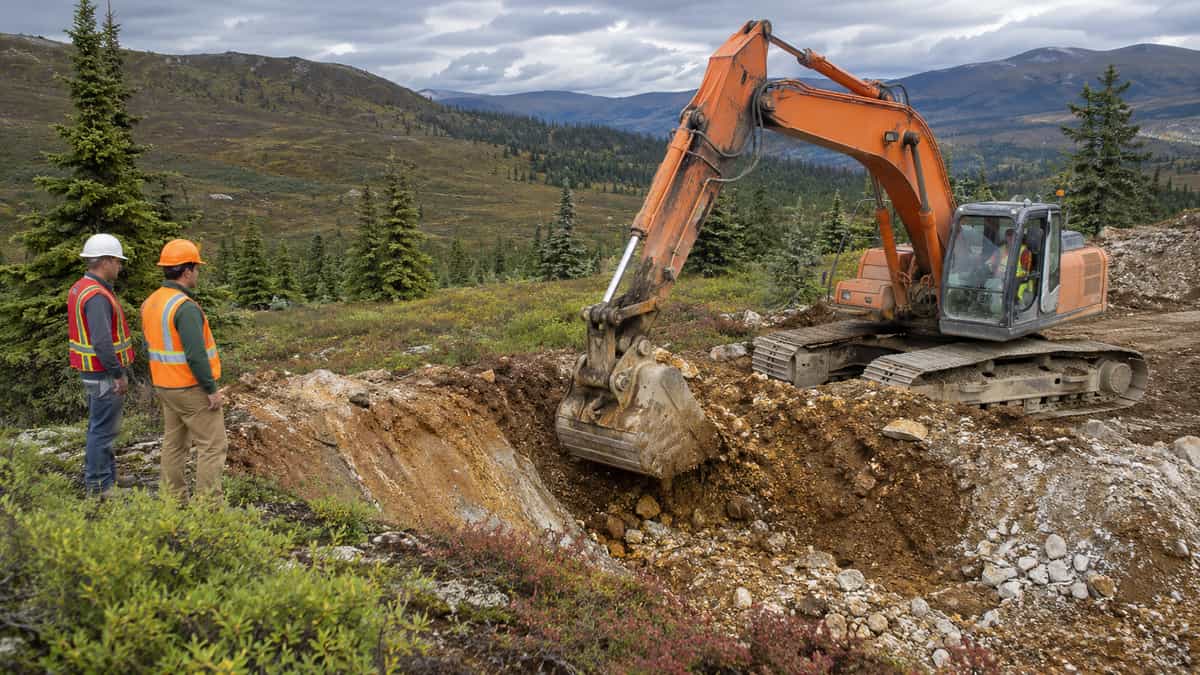
Rockhaven tests Klaza’s no-plant ore route, but commercial returns remain unproven
At Western BRX, oxide material moved from Yukon to overseas processing; sulphide tests and final settlements are still pending.