
Chile’s SMA files serious charge against Zaldívar over tailings seepage
Records from two monitoring wells reach back to 2011, putting the mine’s response to seepage under scrutiny.
Why it matters: The case puts Zaldívar’s compliance with environmental approval conditions under review, with possible consequences for the mine’s operating authorization.
2011 — monitoring records cited by the SMA date back to this year.
10 business days — time allowed to submit a compliance programme after notification.
15 business days — time allowed to file a defence.
5,000 UTA — maximum fine cited as a possible consequence of the process.
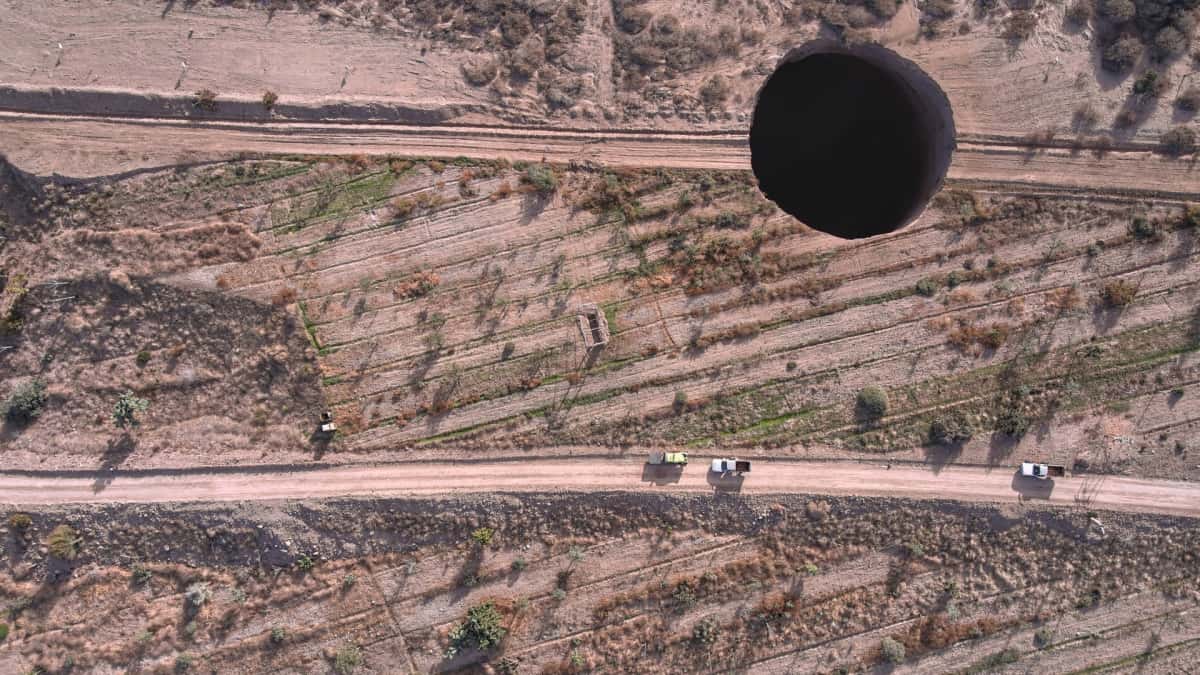
Chile’s Environmental Superintendency (SMA) has brought a serious charge against Minera Zaldívar, operated by Antofagasta Minerals in the Antofagasta Region, alleging that the mine failed to implement measures addressing seepage associated with its tailings storage facility. The charge is based on monitoring records from two wells that the authority says document the situation from 2011.
The allegation concerns a suspected breach of measures in the project’s Environmental Qualification Resolution (RCA), which require steps to eliminate or minimise adverse effects. The charge starts a sanctioning process; it is not a final penalty.
Two wells underpin the regulator’s case
In its 20-page filing, the SMA cites monitoring results from wells SX-1 and MR-1. The authority says the records also point to impacts that were not anticipated in the Environmental Impact Declarations associated with the tailings facility.
According to the SMA, those declarations did not anticipate this type of seepage and therefore did not set out actions for the company to take if it occurred. The core of the allegation is thus the company’s failure to respond to the recorded conditions, rather than the existence of monitoring alone.
The information available does not provide the concentrations measured, monitoring frequency or extent of the seepage. It also does not establish specific effects or identify a cause. The SMA classifies the alleged breach as serious because it concerns measures intended to eliminate or minimise adverse project effects under the RCA.
Company response and potential sanctions
Following notification, Minera Zaldívar had 10 business days to submit a compliance programme or 15 business days to file formal arguments. The options carry different deadlines: one proposes a programme addressing the alleged breaches, while the other presents the company’s defence in the proceeding. The deadline count depends on the date of notification.
The filing says the alleged infringement could lead to revocation of the RCA, closure of the operation or a fine of up to 5,000 Annual Tax Units (UTA). These are possible outcomes of the process, not sanctions already imposed. The available information does not state whether the company submitted a programme or filed arguments.
More in Resources

Swiss glaciers lose 19.4% of their ice in five years as summer flows swell
A record stretch of freezing levels above 4,000 metres changed how far summer warmth reached into Alpine ice.

Antarctic ozone hole ranks seventh-largest in 48 years, but size is not the full measure
A persistent polar vortex drove the September expansion, but surface area alone does not show how deeply ozone was depleted.
Luca Mining rejects claims of criminal control at Campo Morado in Guerrero
Mexican reports cast doubt on who runs the mine, while Luca says coverage may have confused it with nearby operations.