
Chile’s battery expansion faces a curtailment test as copper power demand rises
Miners are set to draw more electricity as solar and wind take a larger share, but transmission and operating flexibility shape what reaches them.
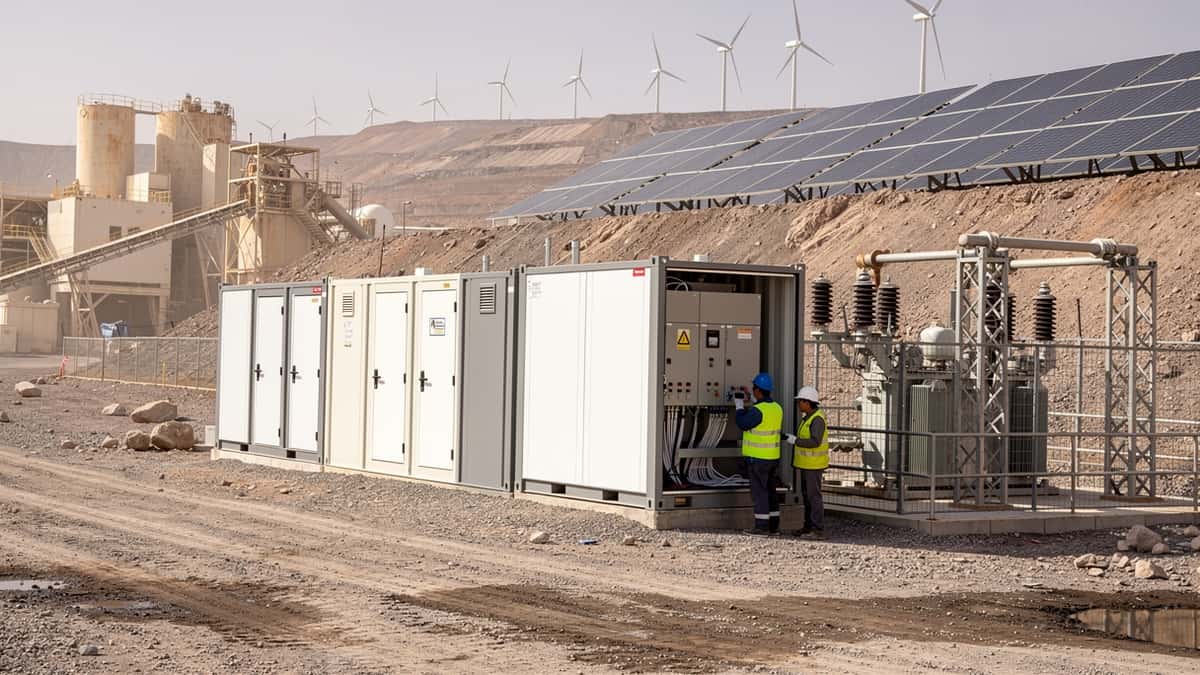
Why it matters: Copper mines will need more electricity as Chile adds variable renewable generation, making storage, transmission and reliable supply increasingly important to operations.
3.2 GW — battery storage capacity in Chile by the end of 2025, up from about 1.2 GW
6,084 GWh — renewable energy curtailed during 2025, an increase of 7.8%
33.2 TWh — Cochilco’s forecast for copper-sector electricity consumption in 2034
9.1 GWh — energy injected by batteries on 31 December, up from 2.4 GWh at the start of January
Chile’s battery storage expanded sharply in 2025, but renewable energy curtailment also increased, underscoring the limits of storage when transmission constraints and operating flexibility restrict how much power the grid can use. The issue is relevant to copper miners, whose electricity consumption is forecast to rise by 20.2% between 2025 and 2034.
Storage output climbed as curtailment persisted
The National Electric System had 39.2 GW of installed capacity at the end of 2025. Solar and wind together supplied a record 46.2% of generation in December. Batteries do not generate electricity; they absorb it when supply is high and inject it later, including after solar generation falls in the evening.
The National Electric Coordinator’s 2025 monitoring report recorded battery injections rising from 2.4 GWh per day at the beginning of January to 9.1 GWh on 31 December. Storage contributed 2 TWh over the year, about 200% more than in 2024. The Coordinator identifies batteries as a tool for integrating variable renewable generation and supporting secure, competitive system operation.
That growth did not eliminate surplus power. Renewable curtailment reached 6,084 GWh in 2025, according to industry association ACERA, with most of it concentrated in the north and during daylight hours. ACERA linked the curtailed energy to high supply relative to demand, transmission restrictions and limited operational flexibility.
At December’s end, 1,575 MW of storage was operating, 737 MW was undergoing testing and 6,770 MW was under construction. The Coordinator estimated that about 4.6 GW of BESS projects were scheduled to enter operation between March and December 2026. It has also said regulatory and operational changes are needed to improve market signals and integrate storage systems.
Copper mines face a larger, more complex load
Cochilco forecasts that electricity consumption by the copper sector will increase from 27.6 TWh in 2025 to 33.2 TWh in 2034, outpacing expected growth in copper production over the period. Concentration is projected to account for 18.1 TWh, or 55% of sector consumption, in 2034. Seawater use is forecast to reach 5.4 TWh, largely because water must be pumped inland to mines in northern Chile.
Renewable generation can give mines access to clean-energy contracts, but supply also has to be available when operations need it. As a result, hourly energy management, flexibility, stability and backup capacity are part of procurement considerations alongside price and electricity origin.
Grid-forming guidance adds verification stages
In May 2026, the Coordinator issued guidance for verifying grid-forming inverter-based installations, primarily batteries, solar farms and wind plants. The technology is intended to let inverter-connected equipment contribute to grid stability and security as renewable generation takes a larger share.
The guidance sets out checks before connection, field tests during commissioning and continuous monitoring once systems are operating. The Coordinator’s estimated pipeline of 2026 BESS projects and its call for regulatory and operational adjustments leave integration and verification as practical requirements for the next phase of Chile’s storage buildout.
More in Resources
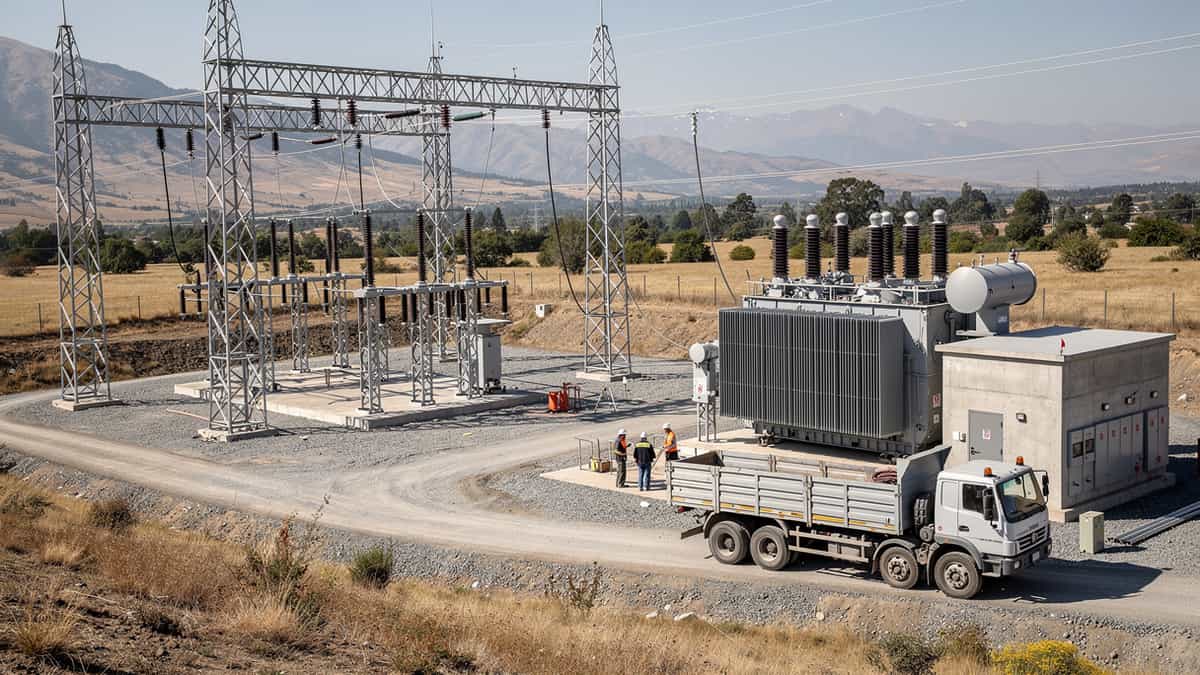
TransEmel files US$30 million Ñuble grid plan, but SEA admission is pending
The proposed link combines a 220/66 kV switching station with a second substation serving the 23 kV network.
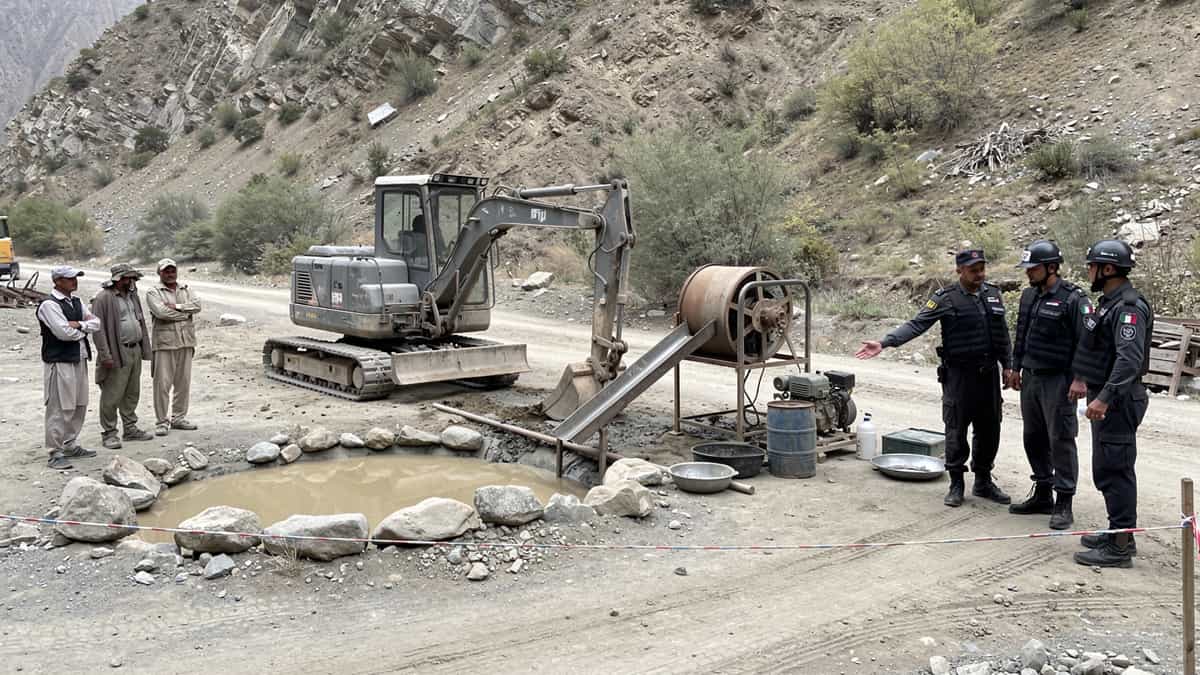
Pakistan suspends Khyber Pakhtunkhwa mining after deadly Kohat gold raid
The governor’s claims about gold revenues reaching armed groups remain untested as a judicial commission is planned.
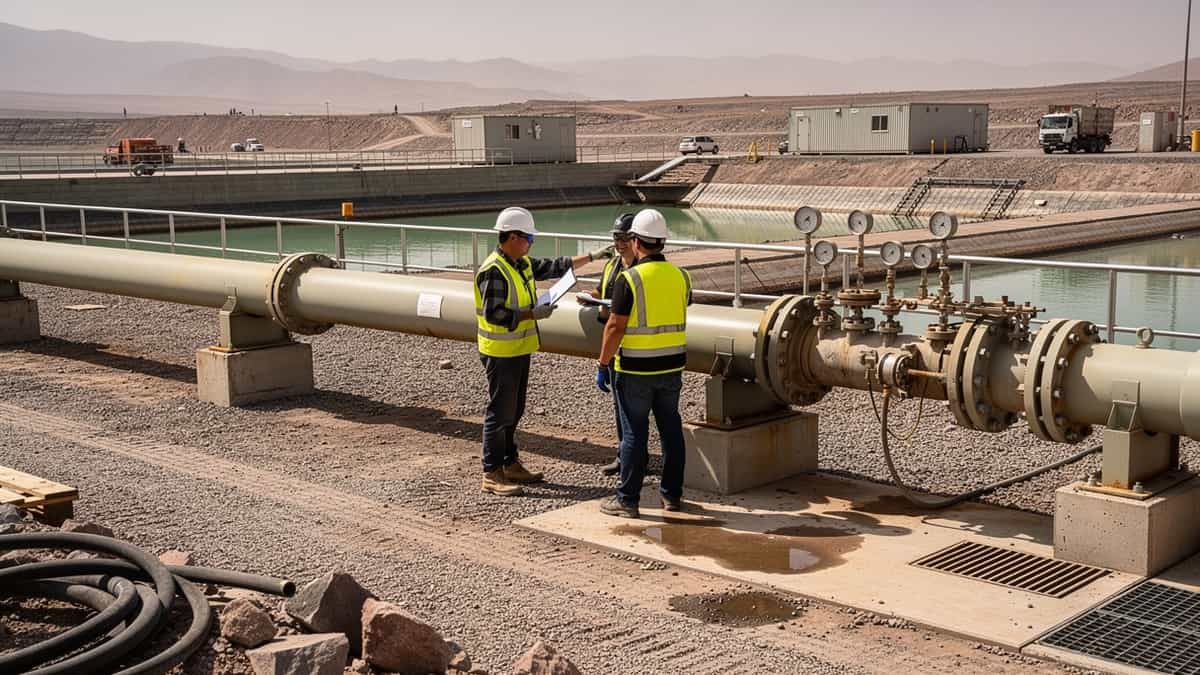
Chile’s SEA pauses El Abra expansion review but shortens its requested response window
The US$7.5 billion plan pairs a larger sulphide operation with a new source of industrial water.