
Chile’s 14.7% mining decline hits GDP, but output weakness is not the whole story
Copper prices are forecast to stay high, yet geological and operational limits are keeping production from responding.
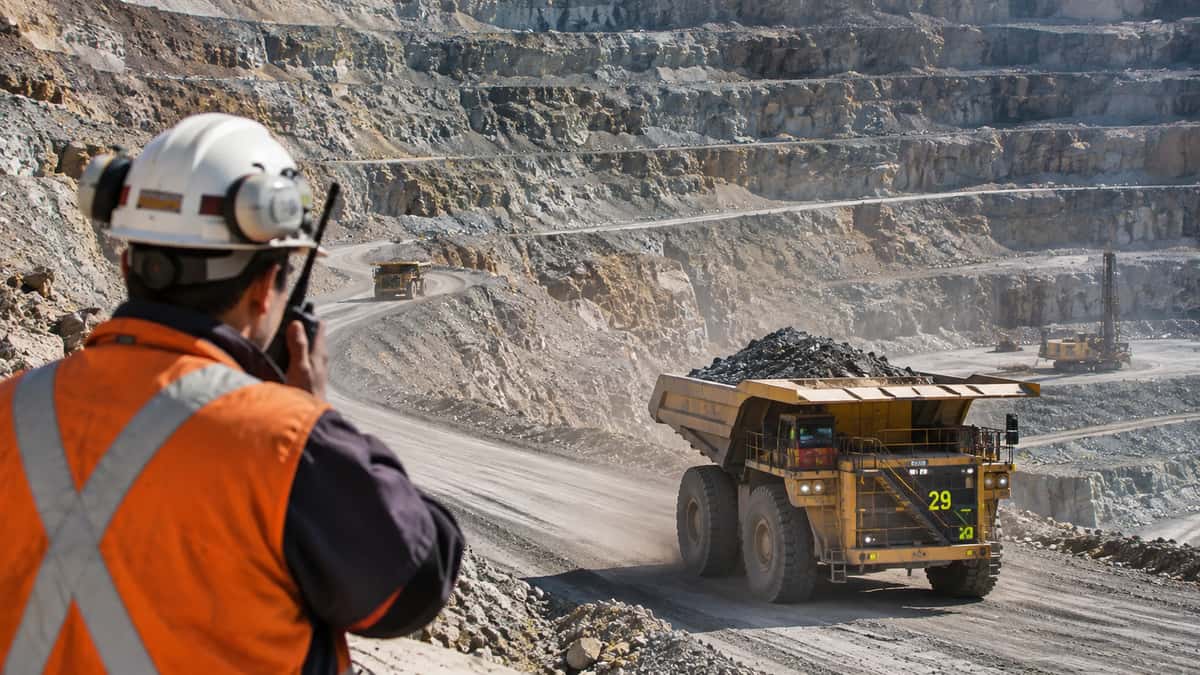
Why it matters: Chile’s production shortfall is weighing on national growth, while weak investment makes a mining-led recovery harder to sustain.
14.7% — year-on-year decline in mining activity in the third quarter
1.1% — year-on-year contraction in national GDP in the third quarter
4.94 million tonnes — Cochilco’s projected Chilean copper output for 2026
6.7% — third-quarter decline in gross fixed capital formation
Chile’s GDP contracted 1.1% year on year in the third quarter of 2026 as mining activity fell 14.7%, its steepest decline of the year. The mining slump was a major drag on the economy, but modest growth outside the sector and falling investment point to broader weaknesses. Finance Minister Jorge Quiroz’s team estimates that mining could subtract about 1.6 percentage points from 2026 growth when direct and indirect effects are included.
Mining’s contraction has deepened through 2026
Mining activity declined in each of the first three quarters, with contractions widening from 2.9% in the first quarter to 6.5% in the second and 14.7% in the third. National GDP was down 0.5% over January to September. Non-mining activity, by contrast, grew 1.0% year on year in the third quarter—enough to distinguish it from the mining collapse, but too little to signal a strong expansion.
Cochilco projects Chile will produce 4.94 million tonnes of copper in 2026, an 8.4% decrease from 2025. Output reached 3.63 million tonnes in the first nine months, down 8.5%. Escondida, Codelco and Spence accounted for 77.3% of the net national production decline. Lower ore grades, operational maintenance and weather-related interruptions contributed to the drop.
Falling grades are a structural pressure at mature mines: operators must process more rock to produce the same amount of copper. That can increase demands on equipment, energy, water, maintenance and processing capacity, even when the amount of metal recovered falls.
The estimated GDP cost depends on what is counted
Estimates of mining’s effect on growth vary with the scope of the calculation. A direct contribution estimate puts the effect of an 8.4% production decline at about half a percentage point of aggregate activity. Including links to suppliers, transport, maintenance and services lifts some estimates to around 1.1 percentage points, while others put the impact near 1.6 points.
Those indirect effects are not necessarily proportional to tonnes produced. A mine facing lower grades may continue to use substantial energy, process material and contract services even as it produces less copper. The figures therefore do not establish that mining alone accounts for the economy’s weakness. Estimates that remove the sector’s decline still imply only moderate national growth, at roughly 0.6% to slightly above 1%.
Investment weakness adds to the recovery challenge
Gross fixed capital formation fell 6.7% in the third quarter. Investment in machinery and equipment declined 10.1%, while construction and other works fell 4.1%. The end of large mining and sanitation projects was among the factors behind the contraction. In mining, replacing capacity takes time: expansions require engineering, permits, equipment procurement, construction and commissioning, and cannot quickly offset geological or infrastructure constraints.
The output decline is occurring alongside stronger copper-price forecasts. Cochilco raised its 2026 average price projection to US$6.18 per pound and forecast US$5.95 per pound for 2027. Higher prices may partly offset fewer tonnes in export values, but they do not replace the economic activity and value added lost when production falls.
Cochilco expects Chilean copper output to recover to 5.08 million tonnes in 2027, a 3% increase from 2026 that would regain about one-third of this year’s lost production. That outlook depends on operational normalization, geological conditions and performance at major producers; meanwhile, the investment and activity forecasts point to a recovery challenge beyond mining alone.
More in Resources
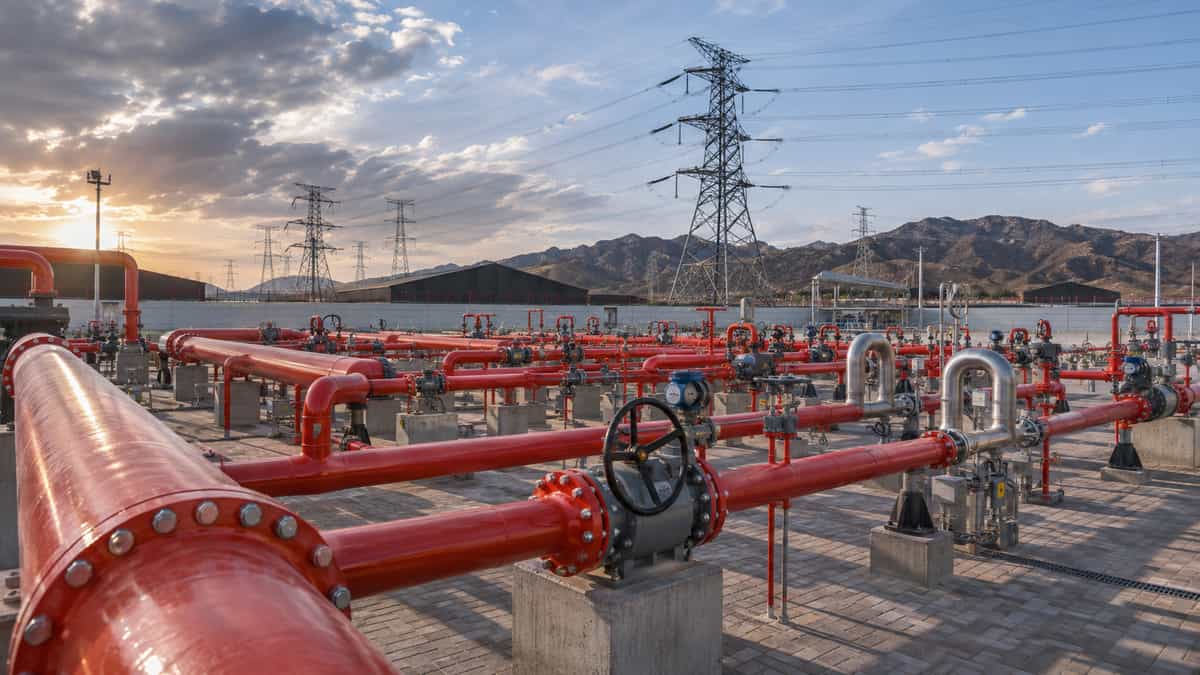
China opens Baotou’s 195-km hydrogen pipeline as supply lags capacity
The route links renewable production with steel and chemical users, but its cost-cutting case depends on a much larger supply base.

Chile court keeps El Teniente copper-theft suspects in custody despite bail bids
The case reaches across alleged copper handling at Codelco’s mine and cable thefts from a regional power-transmission network.
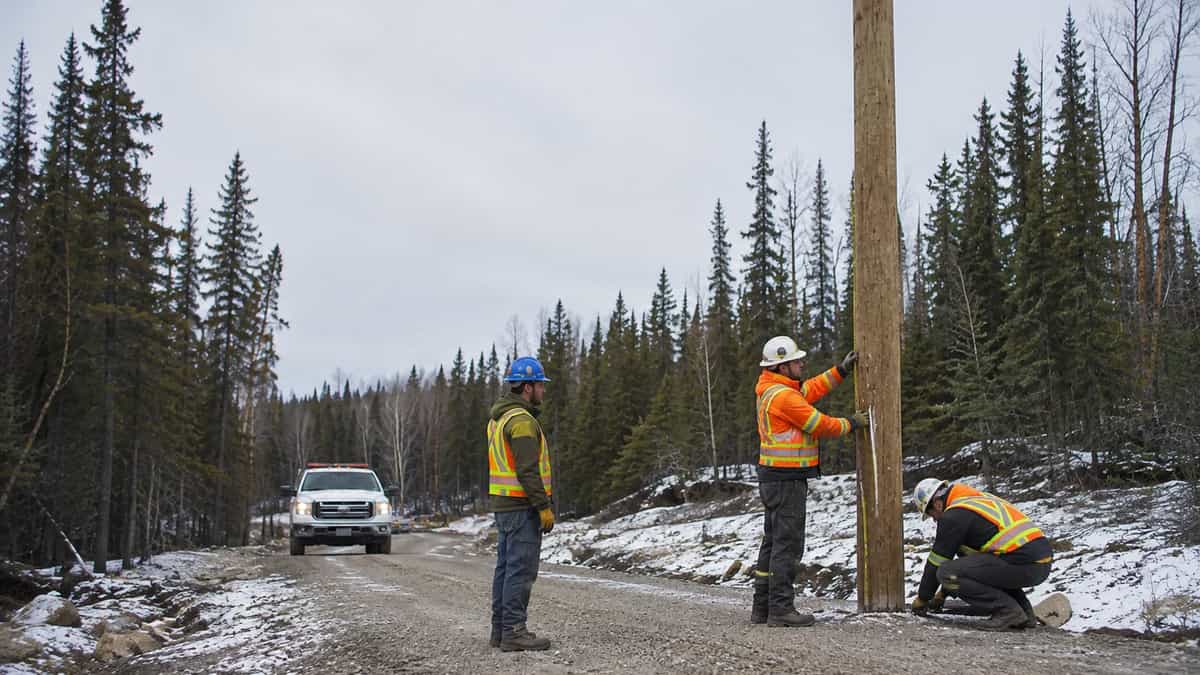
Amex Gold reaches 200 metres at Perron as bulk-sample test approaches
A 40,000-tonne extraction programme is intended to test whether the deposit’s models translate into workable underground conditions.