
Amex Gold reaches 200 metres at Perron as bulk-sample test approaches
A 40,000-tonne extraction programme is intended to test whether the deposit’s models translate into workable underground conditions.
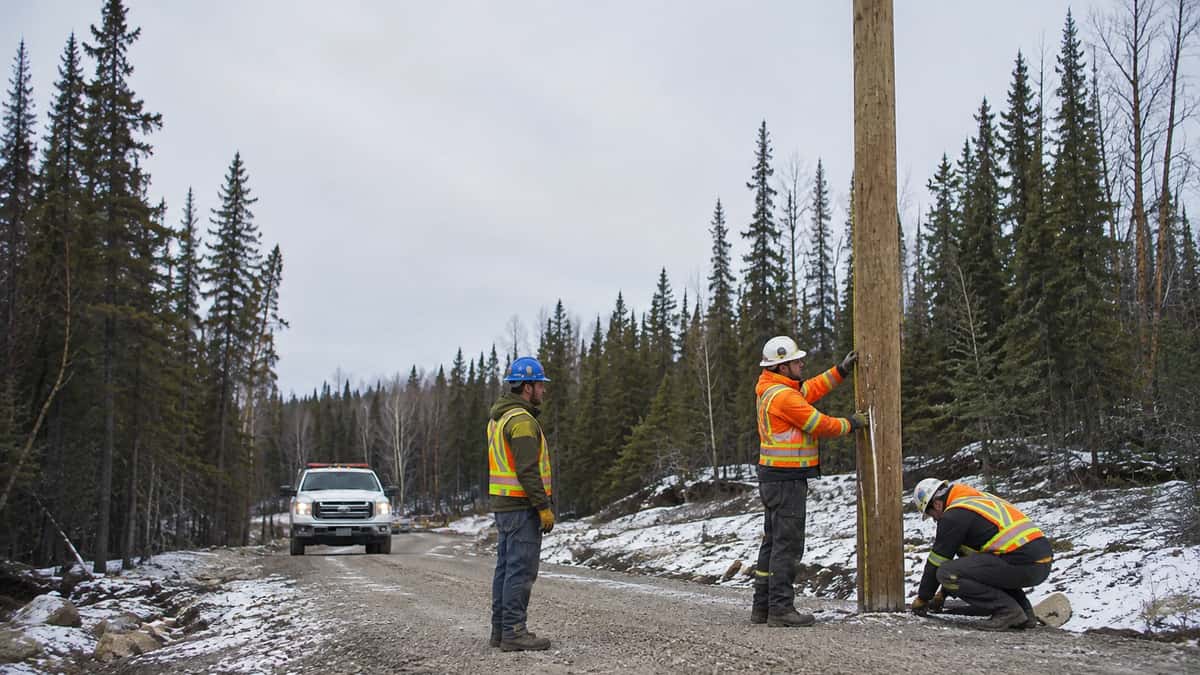
Why it matters: Perron’s bulk sample will provide operational and geological evidence to test assumptions underpinning the project’s planned commercial mine.
200 metres — current underground ramp advance, up from more than 75 metres in September
40,000 tonnes — planned bulk-sample extraction programme
6.5 kilometres; 3 MW — planned power-line length and capacity
C$193.9 million — estimated initial capital for Perron’s first phase in the feasibility study
Amex Gold Mining has advanced the underground access ramp at its Perron gold project in Quebec to 200 metres and started building a 25-kilovolt power line, as it prepares for a 40,000-tonne bulk-sample programme. The company’s November 19 update also reported that permanent ventilation was installed and the structure of a mechanical maintenance shop was complete.
The work is intended to support the sample programme and infrastructure for a potential commercial operation. The bulk sample has specific funding and authorizations, but it is not the start of commercial production.
Ramp development targets the bulk-sample areas
The ramp provides underground access to the areas where Amex plans to extract the sample. Its advance has increased by more than 125 metres from the company’s September update, when development had passed 75 metres. CMAC-Thyssen Mining Group was appointed as the underground development contractor in July 2026.
The sample programme is designed to gather geological, geotechnical and operating information directly from the deposit. In particular, mining will allow the company to assess excavation stability, mineralization behaviour and other parameters under operating conditions. Those observations can help test assumptions used in resource modelling and mine planning, although the programme alone does not establish that commercial production will meet feasibility-study expectations.
Power and ventilation build out mine services
The planned 6.5-kilometre line will connect Perron to the existing grid in Normétal, supplying about 3 MW at 25 kV. Amex says the capacity is intended to serve both the bulk-sample work and the first commercial phase. Grid power from Quebec could reduce reliance on diesel generation; the connection is also intended to serve underground fans, pumps, lighting and maintenance equipment.
The company has installed the permanent ventilation system and completed the structure of the mechanical shop. These facilities are needed to support further ramp development and equipment servicing. Amex said most structures planned for the bulk-sample programme are in place, while noting that infrastructure work is still under way.
Feasibility case depends on execution and permits
A feasibility study presented in April 2026 outlines a first phase with 1.99 million tonnes of Proven and Probable reserves grading 12.1 g/t gold. It projects processing of 1,100 tonnes per day and average annual production of 147,000 ounces over five years, with initial capital of C$193.9 million. The study estimates an after-tax net present value of C$1.127 billion at a 5% discount rate and an all-in sustaining cost of US$910 per ounce.
The study’s economic assumptions include a gold price of US$3,500 per ounce and an exchange rate of C$1.38 per US$1. The reserves contain about 774,000 ounces of gold; projected recovery is approximately 751,000 ounces, including production before commercial operations. These are study estimates, not achieved production results. The plan also relies on processing at third-party facilities rather than building a plant in the initial phase, making regional processing and transport arrangements important to execution.
Amex filed a formal notice for the proposed mine with Quebec environmental authorities in August 2026. That process is separate from the authorizations for the bulk-sample work. The feasibility study targets commercial production in 2028, subject to regulatory approvals and completion of outstanding development steps. The next test is whether ramp access and services can support extraction of the planned sample; commercial development remains contingent on the permitting process and operating arrangements.
More in Resources
China opens Baotou’s 195-km hydrogen pipeline as supply lags capacity
The route links renewable production with steel and chemical users, but its cost-cutting case depends on a much larger supply base.

Chile court keeps El Teniente copper-theft suspects in custody despite bail bids
The case reaches across alleged copper handling at Codelco’s mine and cable thefts from a regional power-transmission network.
Chile’s 14.7% mining decline hits GDP, but output weakness is not the whole story
Copper prices are forecast to stay high, yet geological and operational limits are keeping production from responding.