Chile heat alert covers seven regions, but Santiago’s peak may come later
The three-day notice spans coastal and inland zones, where geography will shape how sharply temperatures diverge.
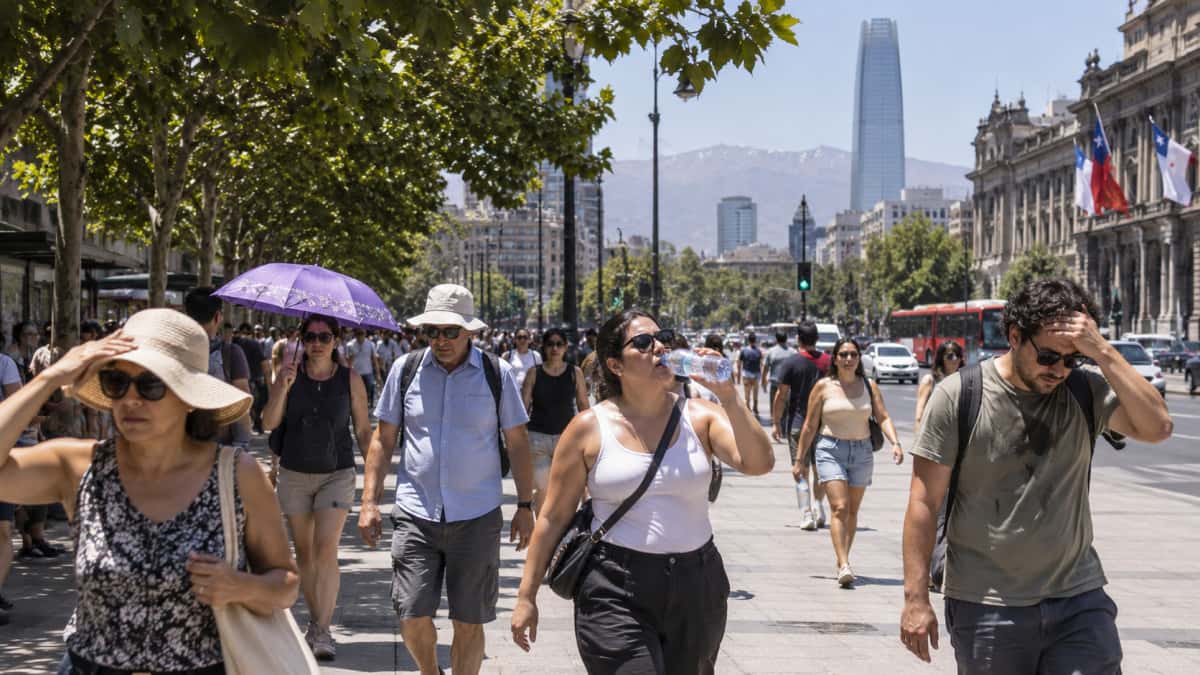
Why it matters: Heat across central Chile could raise health and fire risks while adding precautions for outdoor work, including at operations within the alert zone.
24–26 November — the period covered by the three-day alert
Up to 34 °C — forecast for parts of Valparaíso’s precordillera and precordilleran valleys
31–33 °C — forecast for the Santiago valley on Wednesday and Thursday
23 °C — forecast maximum for Coquimbo’s coastal sector
The Chilean Meteorological Directorate (DMC) has issued alert A636/2026 for high temperatures from the afternoon of Tuesday, 24 November, to the afternoon of Thursday, 26 November. The alert covers parts of seven regions, from Coquimbo to Biobío, with the highest readings expected inland rather than along the coast.
The DMC’s regional figures are forecast maxima for specific areas and dates, not necessarily temperatures in regional capitals. Santiago is forecast to reach 31–33 °C in the valley on Wednesday and Thursday. A separate projection puts the capital near 34 °C on Friday, 27 November, after the alert period.
Inland valleys face the highest readings
The affected regions are Coquimbo, Valparaíso, Metropolitan, O’Higgins, Maule, Ñuble and Biobío. Coquimbo’s listed maximum is 23 °C along the coast, while Valparaíso’s precordillera and precordilleran valleys could reach 32–34 °C on Wednesday and Thursday.
Forecast maxima in the valleys and precordillera of the Metropolitan Region are up to 33 °C. O’Higgins, Maule, Ñuble and Biobío are each forecast to reach up to 32 °C in affected sectors. The timing varies by location: Ñuble and Biobío are expected to see similar conditions mainly on Thursday.
A ridge at upper levels of the atmosphere is associated with the episode. This high-pressure pattern can promote stable conditions and warming, particularly inland, but local temperatures also depend on cloud cover, winds, geography and marine influence. An alert for high temperatures does not itself mean a heatwave has been declared; that classification requires temperatures to exceed local thresholds for at least three consecutive days.
Heat adds risks for outdoor work and fire prevention
High temperatures can contribute to wildfire conditions when they coincide with dry vegetation, low humidity and wind. Heat alone does not determine whether a fire will start or spread, but authorities and land users are advised to avoid unauthorised burning, campfires and other activities that could create sparks near dry vegetation.
Agriculture may face increased crop-water demand, while construction, transport and other outdoor work can expose people to dehydration, heat exhaustion and heatstroke. Mining operations within the affected regions may also need to account for conditions during outdoor work and maintenance, although the alert does not cover every mining region in northern Chile.
Frequent access to drinking water, recovery breaks, ventilation and shaded areas are among the precautions cited for workers performing sustained physical tasks. The source guidance also advises avoiding strenuous activity in direct sun between 11:00 and 17:00, using sun protection, and never leaving people or pets in parked vehicles. Confusion, fainting or a very high body temperature requires urgent medical attention.
The forecast may change with daily atmospheric conditions. The DMC alert runs through Thursday afternoon; the projection of near-34 °C temperatures in Santiago on Friday is outside that notice period.
More in Resources
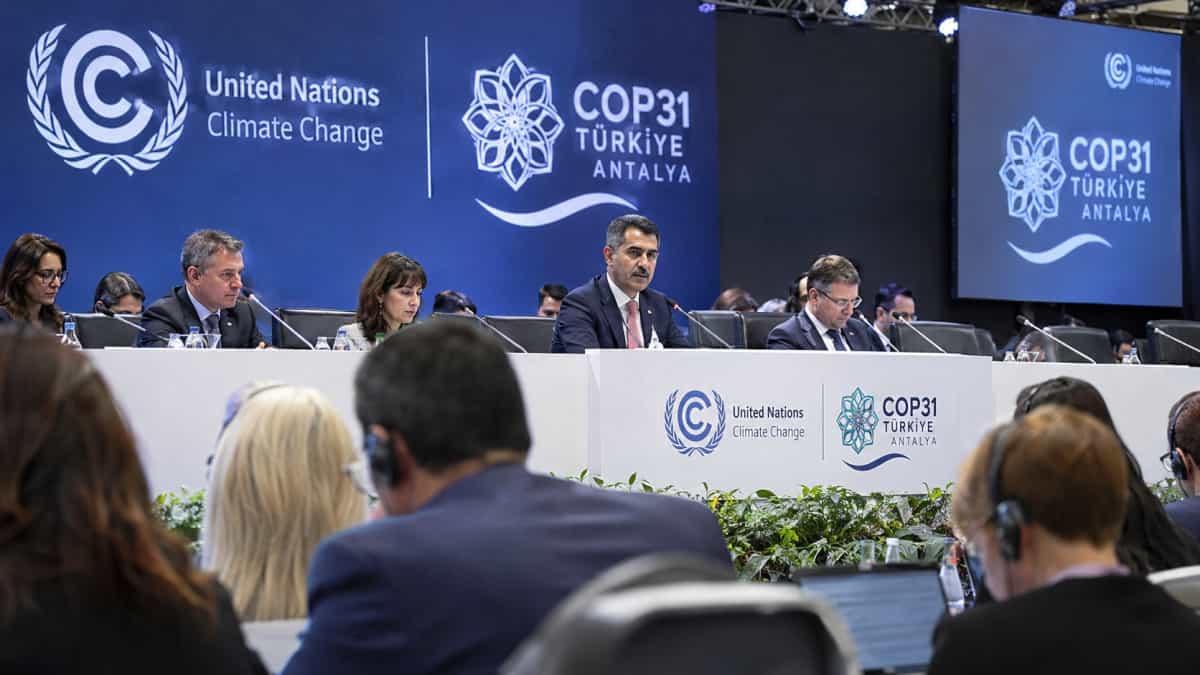
COP31 ends without fossil-fuel deal as Chile’s mining power needs climb
Chile’s copper sector expects electricity use to rise faster than output, while governments remain divided over how to cut emissions.
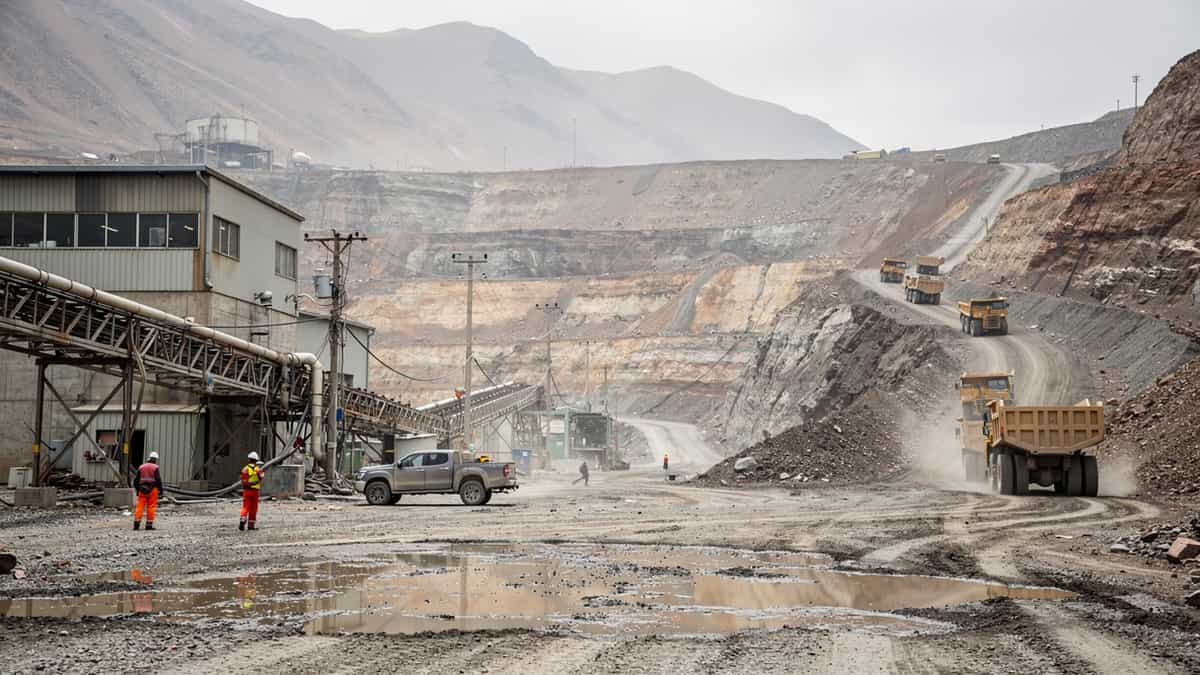
Agrumin urged Chile to halt Maule mining-claim auctions as patent reform advanced
Maule concessions were moving toward auction before lawmakers settled who qualified for lower fees.
Chile tribunal pauses Barrick's El Alto drilling as Pascua Lama link is contested
Sernageomin places the project within Pascua Lama's closed area, while the court weighs what deep drilling could encounter beneath the platforms.