
Burkina Faso closes return operation after Guinea gold crackdown, but foreign cases remain
Bobo-Dioulasso’s transit centre registered people from 11 other countries, adding a diplomatic layer to the return operation.
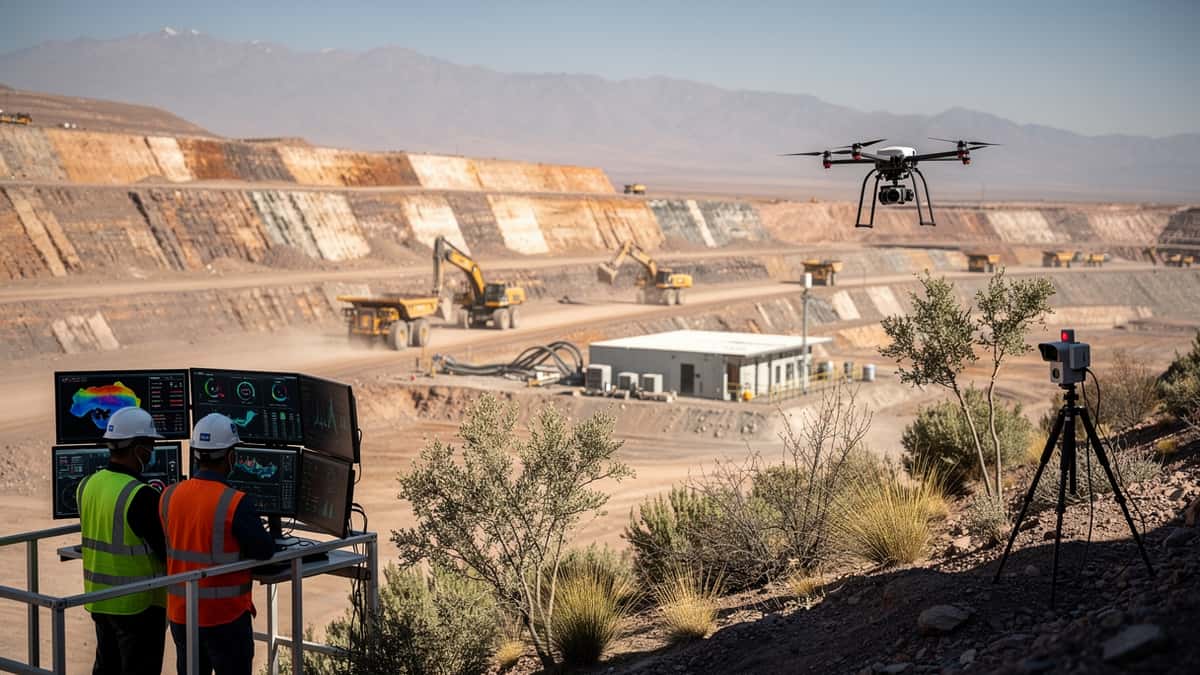
Why it matters: The return operation shows how action against illegal gold mining can trigger cross-border humanitarian needs well beyond the country enforcing the restrictions.
76,169 people — Burkinabe nationals recorded as returned
1,994 foreign nationals — registered at the Bobo-Dioulasso transit centre
At least 10 killed and 13 injured — reported in a November 11 operation at Balato, Guinea
Burkina Faso has completed the return of 76,169 citizens displaced after Guinea restricted illegal gold-mining activity, but 1,994 foreign nationals remain registered at a transit centre as authorities coordinate with their diplomatic missions. The last convoy arrived overnight on November 18–19, according to a government statement issued on November 20.
The statement, signed by Communications Minister and government spokesperson Pingdwendé Gilbert Ouédraogo, recorded 74,452 men and 1,717 women among the returnees. It also listed 15,968 children, without providing a breakdown by sex or further details on their return conditions.
Guinea’s mining restrictions prompted the displacement
Guinean authorities adopted measures on November 2 to prohibit illegal gold extraction. The restrictions affected citizens of Burkina Faso and other West African countries connected to the work or impacted by the intervention. On November 11, an operation in Balato, in Guinea’s Siguiri region, left at least 10 people dead and 13 injured, the material reported by Burkina Faso’s government said.
Burkina Faso’s president, Captain Ibrahim Traoré, ordered a government mission to Bamako, Mali, to assess conditions and coordinate a safe and dignified return for Burkinabe citizens. Mali provided temporary shelter and assistance before their transfer to Burkina Faso. Ouagadougou thanked Malian authorities and communities for their support.
The prime minister oversaw the operation, coordinated by the National Council for Emergency Relief and Rehabilitation (CONASUR). Public institutions, security forces, transport operators, civil-society organisations and local communities took part. Bobo-Dioulasso and Koloko served as reception and transit points.
Foreign nationals await diplomatic arrangements
The Bobo-Dioulasso centre registered people from 11 other countries: 983 Togolese, 580 Beninese, 150 Ivorians, 133 Nigeriens, 53 Nigerians, 44 Malians, 38 Ghanaians, seven Guineans, three Sierra Leoneans, two Chadians and one Senegalese. The government said they received assistance at the centre.
Discussions with their diplomatic missions are continuing to organise their return, but the statement gave no dates or timetable. The reception and registration centres in Bobo-Dioulasso and Koloko have closed following the last convoy. Regional emergency and rehabilitation councils remain on alert for pending cases and further humanitarian needs.
The number of nationalities involved reflects the cross-border nature of informal mining in the region. Artisanal and small-scale extraction provides work and income, particularly for young people and communities with few formal employment options. Unregulated activity can also contribute to environmental degradation, unsafe working conditions and enforcement challenges.
Reintegration plans remain unspecified
Burkina Faso called on public institutions, private companies and civil-society groups to support the social, economic and professional reintegration of returnees. The November 20 statement did not specify a budget, employment programmes or training measures.
It credited security forces, transport businesses and associations, business organisations, volunteers and civil-society groups, as well as CONASUR and the Guiriko regional relief council. Women’s and youth organisations and residents of Bobo-Dioulasso and Koloko were also recognised. The regional emergency structures remain on alert while authorities continue diplomatic coordination over the foreign nationals’ return.
More in Resources
Endeavour Silver's Pitarrilla study prices a US$585M build before key permit
The 18-year underground model uses US$50 silver, but its returns change materially across the study's sensitivity cases.
Chile’s geothermal power potential faces a hurdle beyond its reservoirs
Cerro Pabellón was still the country’s only geothermal plant in October 2022, despite estimates pointing to a far larger role for the resource.
Vizsla pushes Pánuco production to 2028 as permits remain pending
Remote engineering continued during the shutdown, but a return to site and federal authorizations remain separate hurdles.