
BHP’s copper expansion stretches from Chile to Australia, but Escondida awaits a final call
Falling ore grades are driving a replacement-concentrator plan at Escondida, while new processing routes and projects compete for capital.
Why it matters: BHP’s plans show how sustaining copper output increasingly depends on both replacing ageing processing capacity and developing new supply.
Around 2 million tonnes — BHP’s copper production in the fiscal year ended June 30, 2026, its second consecutive year at that level.
US$18 billion — record EBITDA from the copper business in that fiscal year, more than half of group EBITDA for the first time.
US$5.4 billion–US$6.3 billion — estimated cost of the proposed Escondida concentrator.
Up to US$17.4 billion — potential investment in BHP’s Copper South Australia growth portfolio.
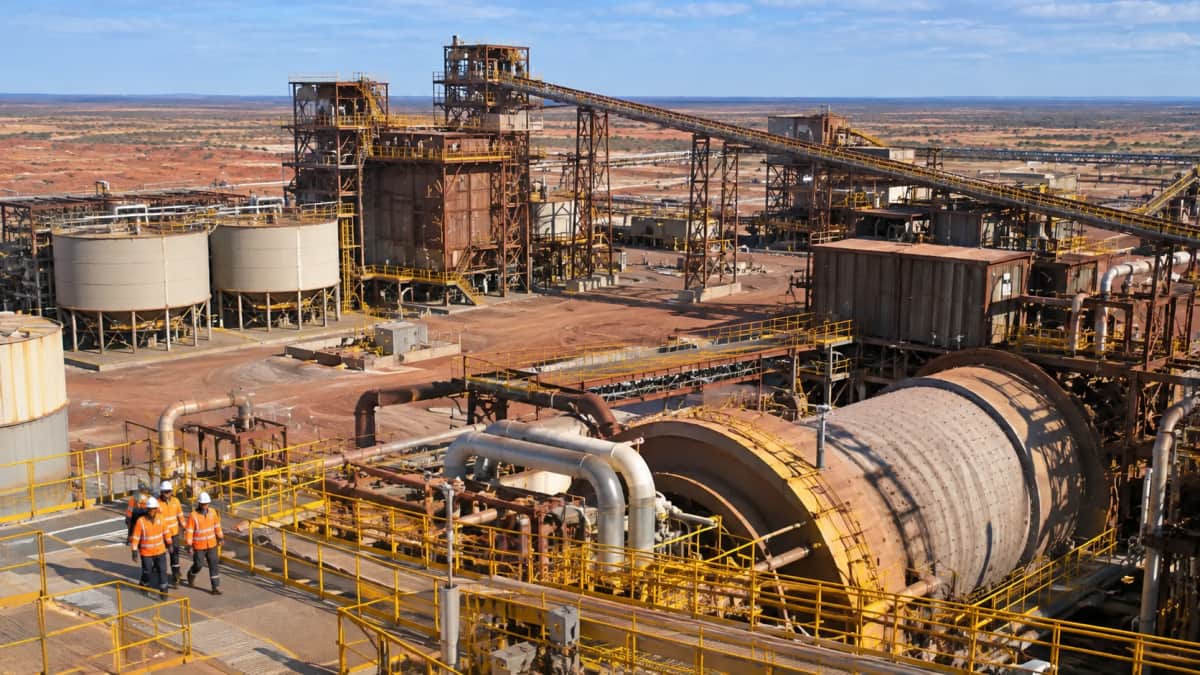
BHP is advancing copper projects across Chile, Argentina and Australia, but its proposed new concentrator at Escondida remains short of a final investment decision. The company approved about US$500 million for its share of early engineering, permitting and execution preparation; a decision on the full project could come in 2027 or 2028.
The proposed plant in Chile’s Antofagasta Region would replace the existing Los Colorados concentrator as declining ore grades pressure the mine’s processing capacity. BHP estimates the project could support annual copper production of 230,000 to 270,000 tonnes, with production potentially starting in 2031 or 2032. Escondida submitted an environmental impact declaration in March 2026.
Chile projects target lower-grade and sulphide ores
At Spence, BHP approved a project in June 2026 to apply its Simple Approach to Leaching 2 (SAL2) technology to chalcopyrite. The proposed investment is estimated at US$600 million to US$900 million, with potential output of 40,000 to 60,000 tonnes of copper a year from 2028. The project is intended to recover copper from sulphide minerals using available cathode-production capacity.
BHP is also assessing a potential restart of Cerro Colorado in Tarapacá using leaching technology. Estimates put investment at US$2.3 billion to US$3.2 billion and possible production at 85,000 to 100,000 tonnes a year, with a potential restart between 2031 and 2034. The project remains subject to technical studies, environmental approvals and a final investment decision.
Separately, BHP and Codelco agreed on October 26, 2026, to explore the Anillo project in Antofagasta. BHP could spend up to US$40 million on exploration to assess the geological potential of Codelco mining claims outside currently operating deposits.
Australia and Vicuña broaden the growth pipeline
BHP’s November 23 update for South Australia outlined a potential US$17.4 billion investment portfolio involving Olympic Dam, Carrapateena and Prominent Hill, with a goal of doubling regional copper production by 2040. Expanded smelting and refining facilities at Olympic Dam are central to processing higher volumes. Projects already under way in the district total more than A$2 billion and include a 1.3-kilometre-deep haulage shaft at Prominent Hill and new underground access infrastructure at Olympic Dam.
In the Andes, BHP and Lundin Mining are developing Vicuña, which combines the Josemaría and Filo del Sol deposits across the Chile-Argentina border. Its first stage is estimated to require US$7 billion to US$8 billion on a 100% project basis, with potential annual output of about 200,000 tonnes of copper, as well as gold and silver. Argentina included the project in its RIGI investment incentive regime in June 2026; the partners are updating capital costs, engineering and construction plans as they work toward a possible year-end investment decision.
These estimates cover projects at different stages and do not represent wholly approved spending or amounts attributable entirely to BHP. The next major decisions include the Escondida investment call and the outstanding technical, permitting and capital work across the wider portfolio.
More in Resources
Peru’s copper base expands as La Granja’s processing economics remain unresolved
La Granja’s scale is clear, but metallurgy, power and infrastructure must still support a viable operation.
China’s 600 MW compressed-air expander clears tests, but plant performance remains unproven
The machine is twice the scale of equipment at operating projects, but its power rating alone does not show how long it can discharge.
Nueva Centinela nears startup as Antofagasta’s copper recovery lags 2025
At the US$4.4 billion project, equipment trials are under way as the group advances separate water and infrastructure work elsewhere in Chile.