
Andes copper race pits Chile’s mature industry against Argentina’s unbuilt projects
Chile already produces copper at scale, while projects across the border still depend on capital, infrastructure and approvals.
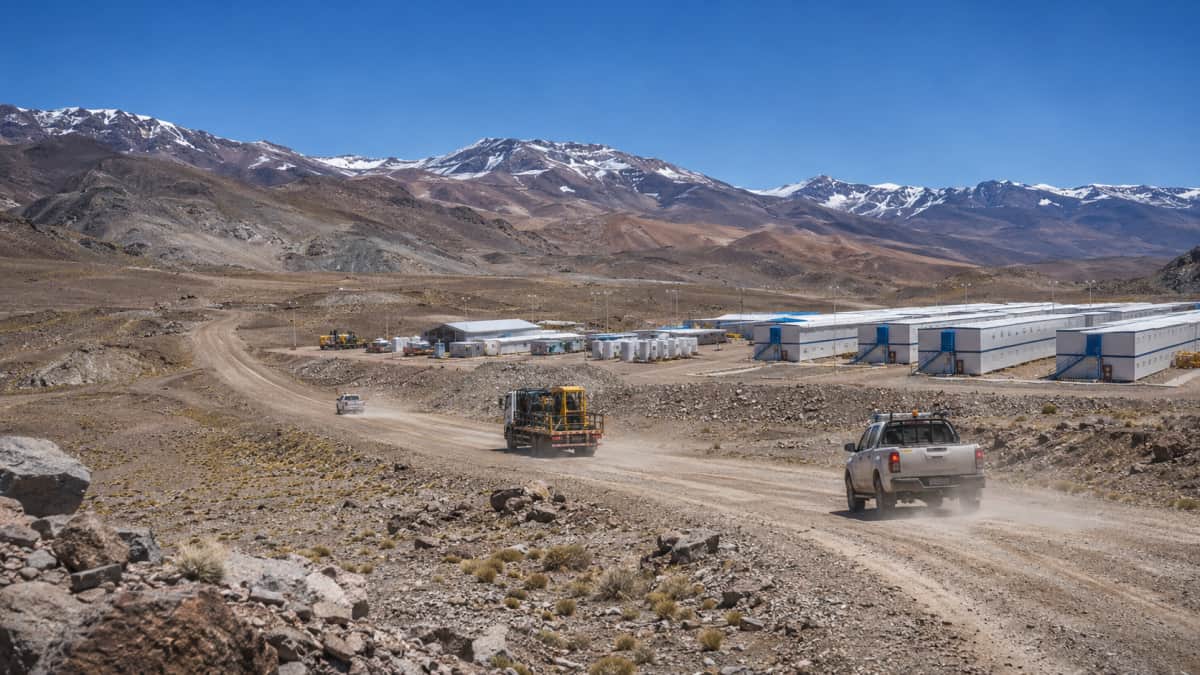
Why it matters: Turning the Andes’ large mineral endowment into new supply will depend on whether projects can overcome the technical and infrastructure demands of high-altitude development.
US$111.149 billion — Chile’s mining investment pipeline for 2026–2035.
23% — Chile’s approximate share of global mined copper production in 2025.
14.3 million tonnes — Vicuña’s measured and indicated copper resources.
60,000 tonnes a year — Rincón’s target capacity for battery-grade lithium carbonate.
Chile’s established copper industry and Argentina’s undeveloped deposits are drawing major miners to the Andes, where projects span copper, gold, silver and lithium. The contrast is clear in the binational Vicuña district: its deposits hold substantial mineral resources, but those resources are not yet producing metal.
BHP and Lundin Mining each hold a 50% interest in Vicuña, which combines the Filo del Sol and Josemaría deposits across Chile’s Atacama Region and Argentina’s San Juan province. A February 2026 resource update reported 14.3 million tonnes of measured and indicated copper and 32.3 million tonnes inferred. The estimate also included 36.1 million ounces of measured and indicated gold and 61.3 million ounces inferred, alongside 729 million ounces of measured and indicated silver and 1.051 billion ounces inferred.
Vicuña’s resources are not yet mineable reserves
The update increased contained copper by about 23% from the previous estimate, with gold up 20% and silver 21%. These are mineral resources, not reserves: the quantities that could ultimately be mined economically have not been established by those figures alone. Their development will depend on further technical work, metallurgy, investment and environmental approvals.
The district’s cross-border footprint could allow the partners to consider shared processing facilities, power infrastructure and logistics. Those potential efficiencies would need to be assessed through project studies; the border-spanning geology itself does not guarantee a common development plan.
Argentina has several other proposed large-scale copper developments, including Glencore’s El Pachón and McEwen Copper’s Los Azules in San Juan, First Quantum Minerals’ Taca Taca in Salta, and MARA in Catamarca. Argentina does not yet have a large-scale copper industry comparable to Chile’s, making these projects prospective additions rather than near-term replacement supply.
Chile’s mature sector faces an investment challenge
Chile produced about 23% of the world’s mined copper in 2025 and has an established base of operations, ports, skilled workers and mining services. Its investment pipeline for 2026–2035 totals US$111.149 billion, with copper accounting for 84.5%. The planned spending reflects the need to expand or modernise existing operations and develop new ones as mature deposits face declining grades and rising investment requirements.
The two countries also share exposure to lithium markets. In 2025, Chile produced about 56,000 tonnes of contained lithium and Argentina about 23,000 tonnes, together representing an estimated 27% of global production. Rio Tinto’s Rincón project in Salta carries a planned investment of US$2.5 billion and a target capacity of 60,000 tonnes a year of battery-grade lithium carbonate.
Infrastructure and approvals remain decisive
High altitude, low temperatures, water availability, long distances and environmental requirements add technical and financial complexity to Andean projects. Chilean ports and mining services could be relevant to developments in Argentina, but cross-border power, transport, water and processing links would require coordination and investment.
The countries resumed initiatives in 2026 to strengthen cross-border mining integration. Any project would still need to meet the applicable laws, environmental assessments and community participation requirements. For Vicuña and Argentina’s other copper proposals, the next test is whether technical studies and infrastructure planning can support development beyond the resource stage.
More in Resources
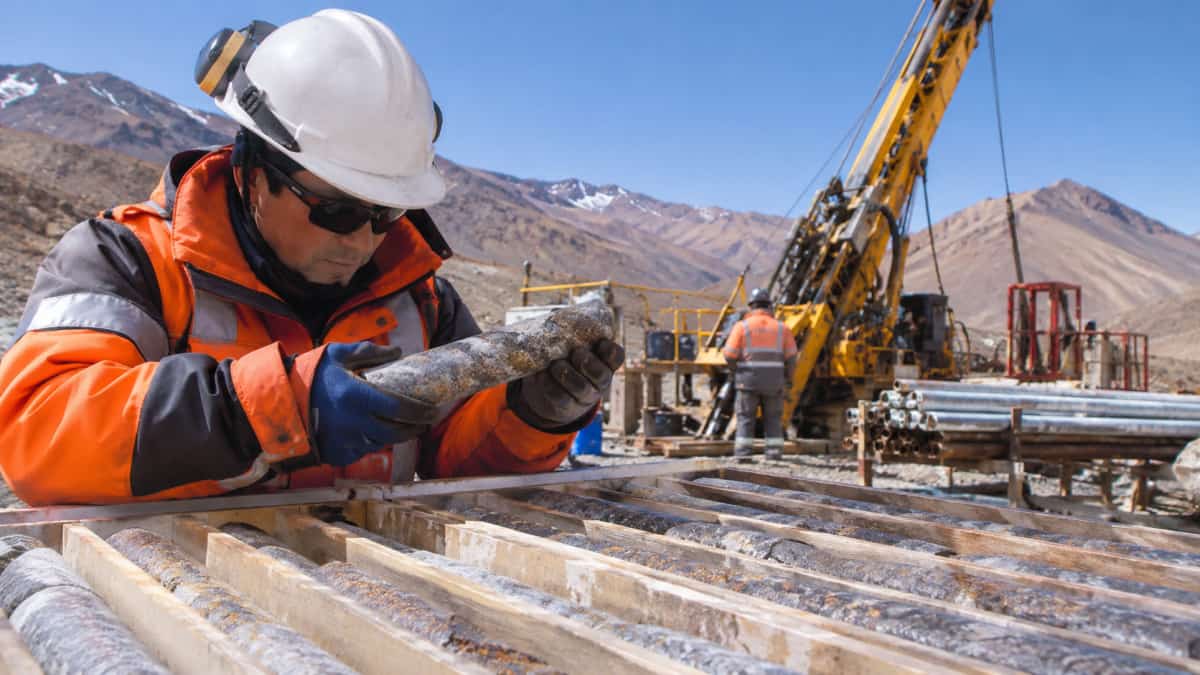
How Chile searches for hidden copper—and why a discovery is far from a mine
Geophysical signals can point to buried mineralisation, but they cannot establish whether a deposit can support an industrial operation.
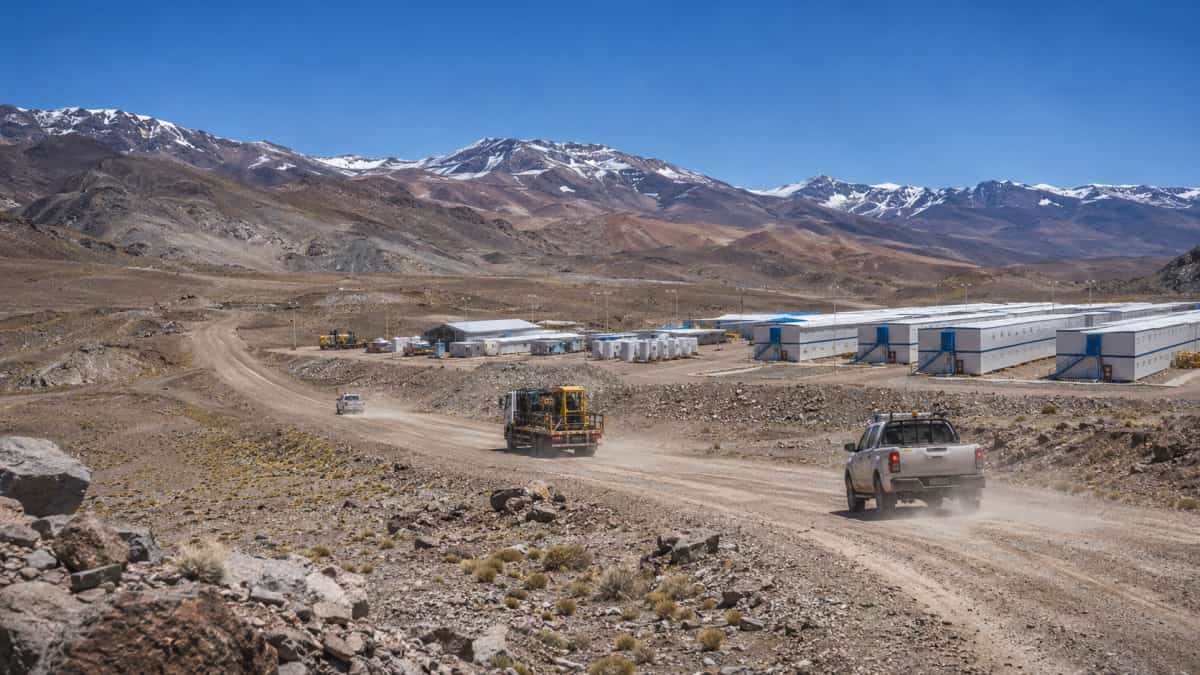
Andes copper deposits put Argentina’s pipeline against Chile’s mining lead
The two countries share a mineral-rich mountain belt, but turning Argentina’s undeveloped deposits into supply will depend on more than geology.
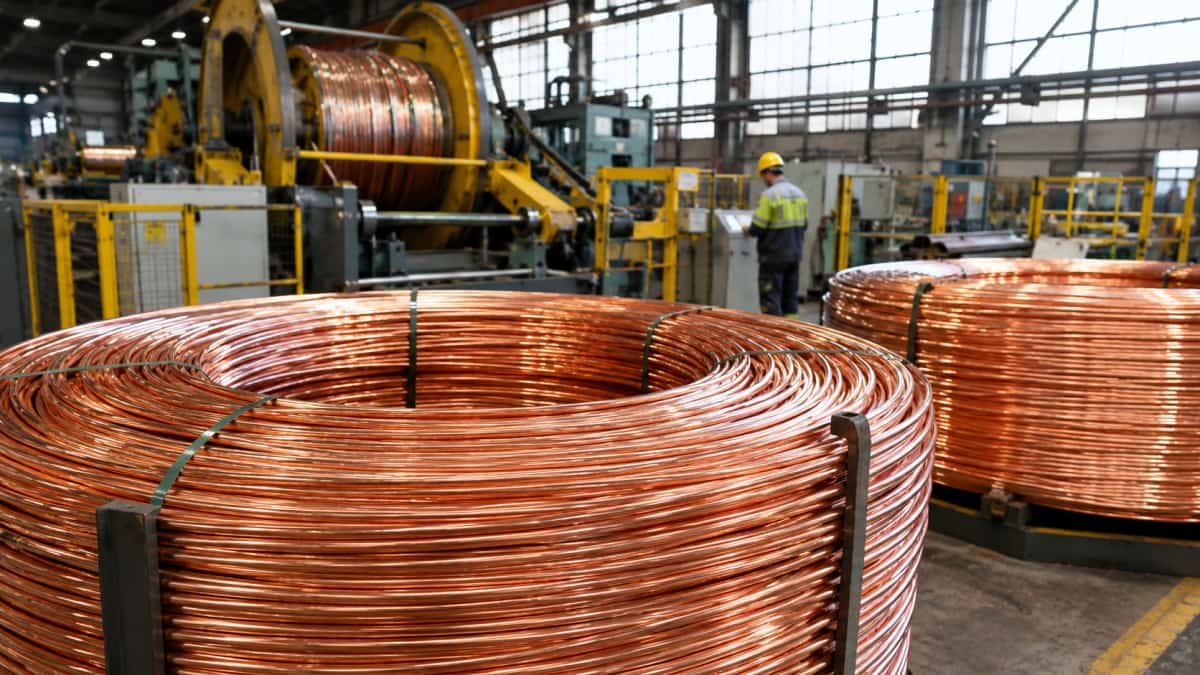
AI data centres could need 2.5 million tonnes of copper by 2040 as supply strains
The load extends beyond servers to power grids, while Chile’s investment pipeline still depends on projects clearing execution hurdles.