
AI data centres could need 2.5 million tonnes of copper by 2040 as supply strains
The load extends beyond servers to power grids, while Chile’s investment pipeline still depends on projects clearing execution hurdles.
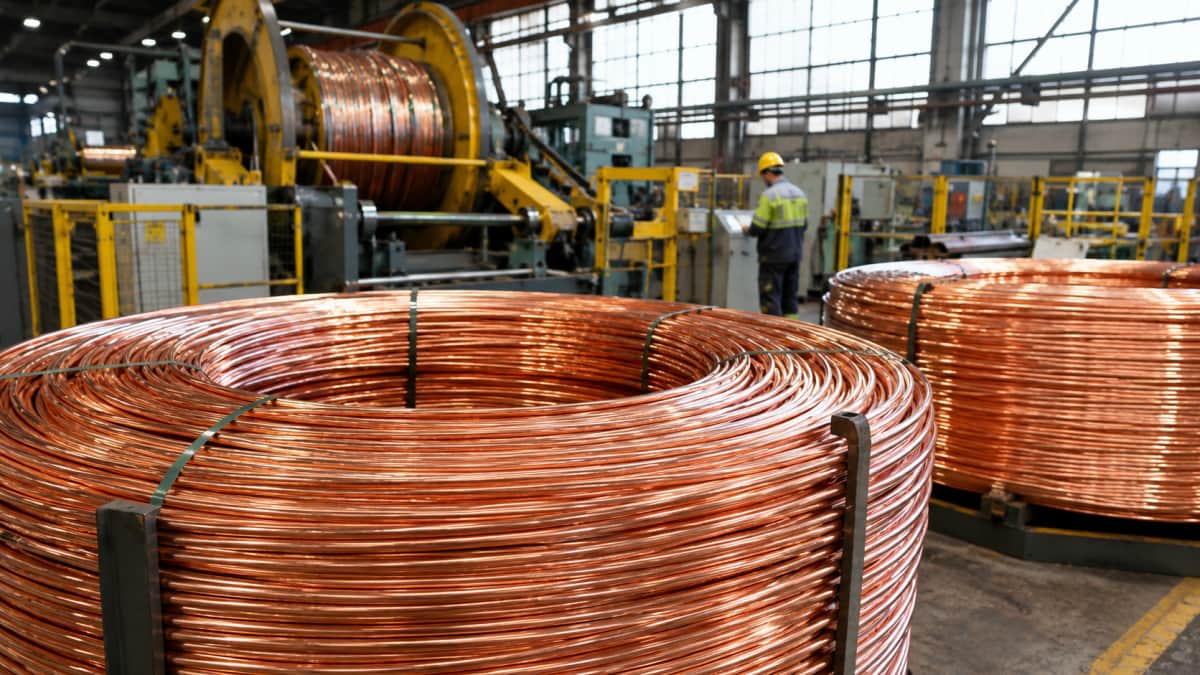
Why it matters: Data centres add a major source of long-term copper demand, but mine development and power infrastructure cannot scale at the same pace as digital investment.
2.5 million tonnes a year — projected copper use directly in data centres by 2040, in the central scenario
42 million tonnes a year — projected global copper demand in 2040, compared with about 28 million tonnes in 2025
950 TWh — potential data-centre electricity consumption in 2030, up from about 485 TWh in 2025
US$111.149 billion — Chile’s identified mining investment pipeline for 2026–2035
The copper used directly in data centres could reach 2.5 million tonnes a year by 2040, up from 1.1 million tonnes in 2025, according to the projections. The increase comes as expanding artificial intelligence workloads drive investment in computing facilities, cooling systems and the power infrastructure needed to keep them running.
The estimate is for data centres broadly, not just facilities dedicated to artificial intelligence. A wider range of 1.7 million to 2.7 million tonnes a year is projected for 2040, depending on technology growth, energy availability and facility design. Copper demand from associated power infrastructure is additional: generation and electricity networks could require about one million tonnes a year by that point.
Power demand extends the copper requirement beyond servers
Global data-centre electricity consumption reached about 485 terawatt-hours (TWh) in 2025 and could rise to 950 TWh in 2030, equivalent to around 3% of global electricity demand. Over the same period, electricity use at facilities specifically designed for AI could triple.
That growth would require more generation, stronger substations and expanded transmission and distribution networks, as well as cooling systems to manage heat from high-capacity processors. AI-training facilities could account for 58% of data-centre copper demand by 2030. Some may use about 47 tonnes of copper per megawatt of installed capacity, although requirements vary by facility type.
Fibre optics are replacing copper in some server connections, but electrical systems and cooling equipment remain substantial copper users. The infrastructure demand therefore extends well beyond the hardware inside a data centre.
Global demand growth meets long mine-development timelines
Data centres add to demand from electric vehicles, renewable power, storage and grid upgrades. Global copper consumption is projected to rise from about 28 million tonnes in 2025 to 42 million tonnes a year in 2040, an increase of roughly 50%. In a scenario without new projects or supply adjustments, the potential shortfall could reach 10 million tonnes a year. That is a conditional projection, not an inevitable deficit.
The supply response faces long timelines for exploration, environmental assessment, engineering, financing and construction. Producers also contend with declining ore grades at some deposits, deeper mining, rising operating costs and greater water and energy requirements. Recycling and expansions to smelting and refining capacity will also affect how much metal reaches the market.
Chile’s project pipeline does not guarantee near-term growth
Chile’s copper production is projected at about 4.94 million tonnes in 2026, down 8.4% from 2025, with a partial recovery to around 5.08 million tonnes in 2027. The country’s mining investment pipeline for 2026–2035 totals US$111.149 billion across 72 projects, with copper accounting for 84.5% of the identified value.
The Antofagasta region represents US$51.544 billion of that pipeline, including US$44.994 billion in copper projects. Developments cited include extensions to leach facilities at BHP-operated Escondida and capacity improvements at Mantos Blancos, associated with Capstone Copper. Inclusion in the pipeline does not mean a project will enter production on schedule; execution, approvals, infrastructure and economics remain decisive.
The projections for Chile put the average copper price at US$6.18 per pound in 2026 and US$5.95 in 2027. They are estimates, not guarantees: prices will also depend on Chinese industrial demand, broader economic activity, inventories and producer supply. For the market, the next test is whether planned mine and infrastructure investments advance quickly enough to meet demand growth without relying on data centres alone to drive consumption.
More in Resources
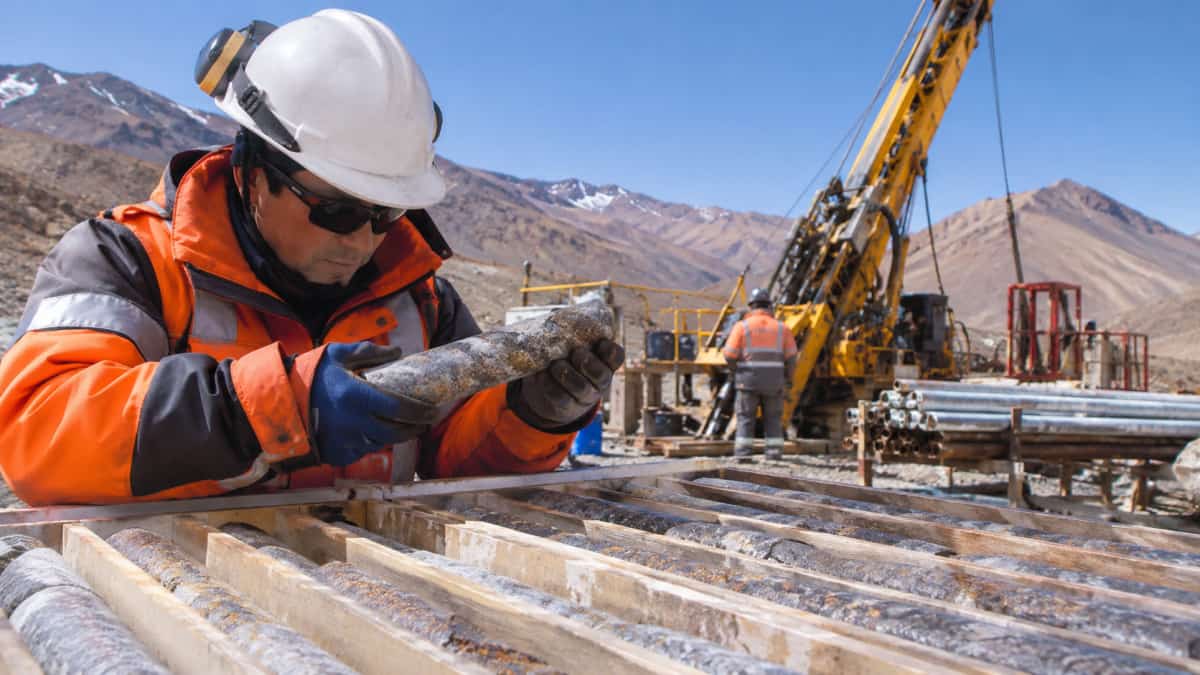
How Chile searches for hidden copper—and why a discovery is far from a mine
Geophysical signals can point to buried mineralisation, but they cannot establish whether a deposit can support an industrial operation.
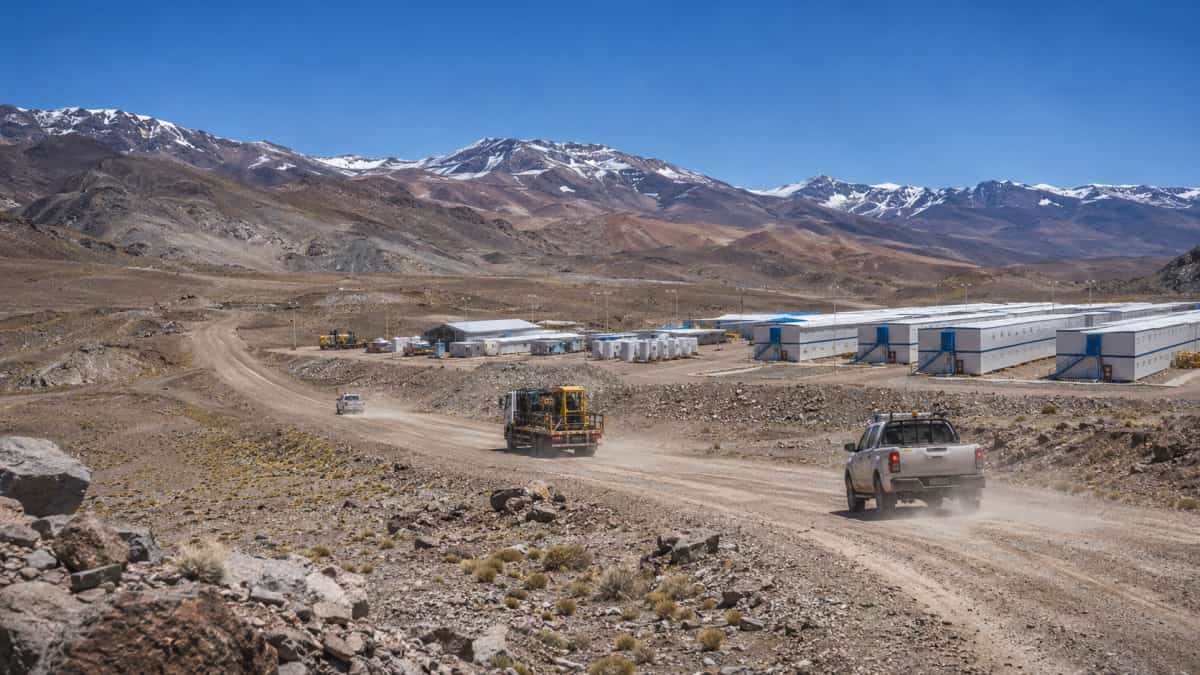
Andes copper deposits put Argentina’s pipeline against Chile’s mining lead
The two countries share a mineral-rich mountain belt, but turning Argentina’s undeveloped deposits into supply will depend on more than geology.
Andes copper race pits Chile’s mature industry against Argentina’s unbuilt projects
Chile already produces copper at scale, while projects across the border still depend on capital, infrastructure and approvals.