
Aguas Pacífico opens Aurora plant to connect Chile's mines and rural water users
The Puchuncaví facility was built to serve demand beyond its industrial customer base.
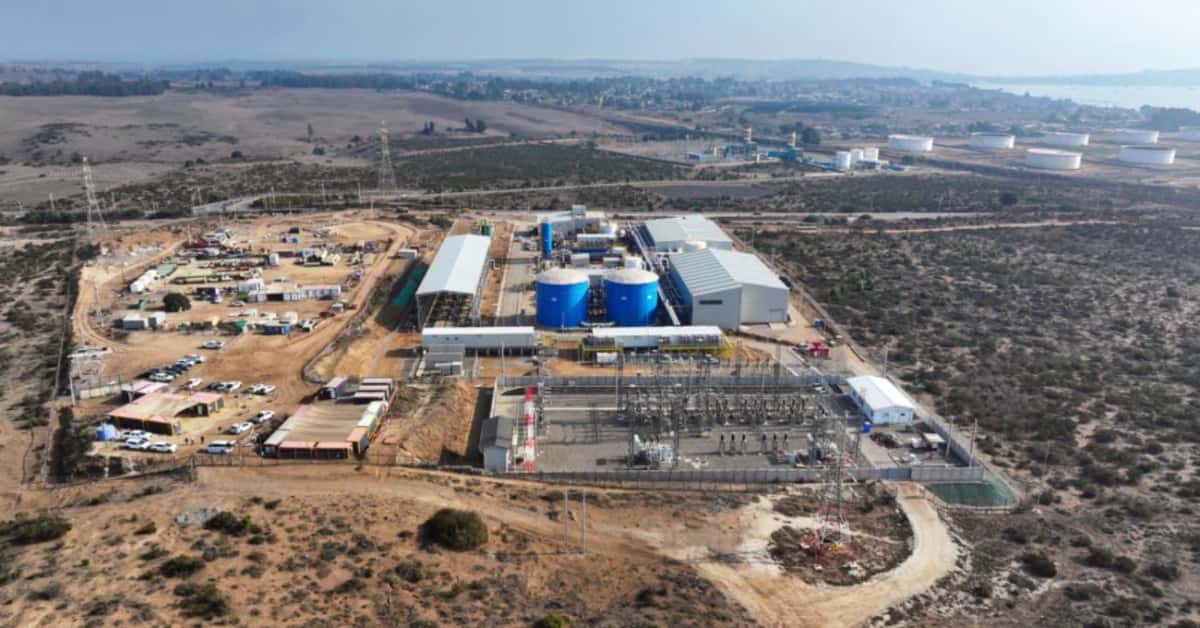
Why it matters: Aurora adds a precipitation-independent water source for Chilean industry while allocating part of its output to household and rural supply.
1,000 litres per second — the plant’s production capacity
105 kilometres — the length of the aqueduct connecting Valparaíso and Metropolitan regions
25% — the share of production designated for human consumption
US$1.3 billion — the investment in the inaugurated project
Aguas Pacífico inaugurated its Aurora desalination plant in Puchuncaví, in Chile’s Valparaíso Region, after three years of construction. The facility can produce 1,000 litres per second of desalinated water that can be made potable, supplying mining, energy and human consumption across the Valparaíso and Metropolitan regions.
The project includes a seawater treatment plant and a 105-kilometre aqueduct. Aguas Pacífico said Aurora is the country’s third-largest desalination plant and the first multipurpose infrastructure project of this scale in central Chile. Its water supply is independent of rainfall, a feature relevant to industrial and community users exposed to changing water availability.
Industrial contracts and rural supply
Anglo American and Colbún are among the project’s industrial customers, alongside water utility Esval. The company has allocated 25% of production to human consumption through contracts with Esval and agreements with eight Rural Sanitary Services in Limache and Olmué, as well as the La Dormida Agricultural Community.
Aguas Pacífico also said it will voluntarily provide 30 litres per second to rural drinking-water systems, without environmental compensation obligations. The allocation sits alongside the project’s industrial role, making shared access a defining feature of Aurora’s operating model.
Renewable power and marine monitoring
Aguas Pacífico said the plant operates exclusively on certified renewable energy and produces no direct atmospheric emissions during operation. Its seawater intake system is designed to avoid suction, while an underwater outfall uses 36 diffusers to disperse brine.
The company plans quarterly participatory salinity monitoring with social organisations in Quintero and Puchuncaví throughout the infrastructure’s operating life. Those monitoring commitments will track conditions around the marine discharge, although the source material does not provide baseline salinity data or projected discharge concentrations.
Construction involved more than 14 million work hours without a disabling accident, according to the company. The project reached a peak workforce of 2,000, with local workers accounting for more than half of hires.
A second phase could lift total investment
At the inauguration, Public Works and Transport and Telecommunications Minister Louis de Grange highlighted desalination infrastructure’s contribution to water security and sectors including mining and energy. He said a second phase could take total project investment to about US$1.7 billion, and expressed interest in extending the multipurpose model to agriculture and other supply needs.
The expansion remains a future development rather than part of the inaugurated facility. No timetable or additional capacity for the second phase was specified.
More in Resources

Botswana's 2017 earthquake points to renewed movement on ancient Kalahari faults
The inland shock prompted a closer look at an 80-kilometre fault system in a craton long considered relatively stable.
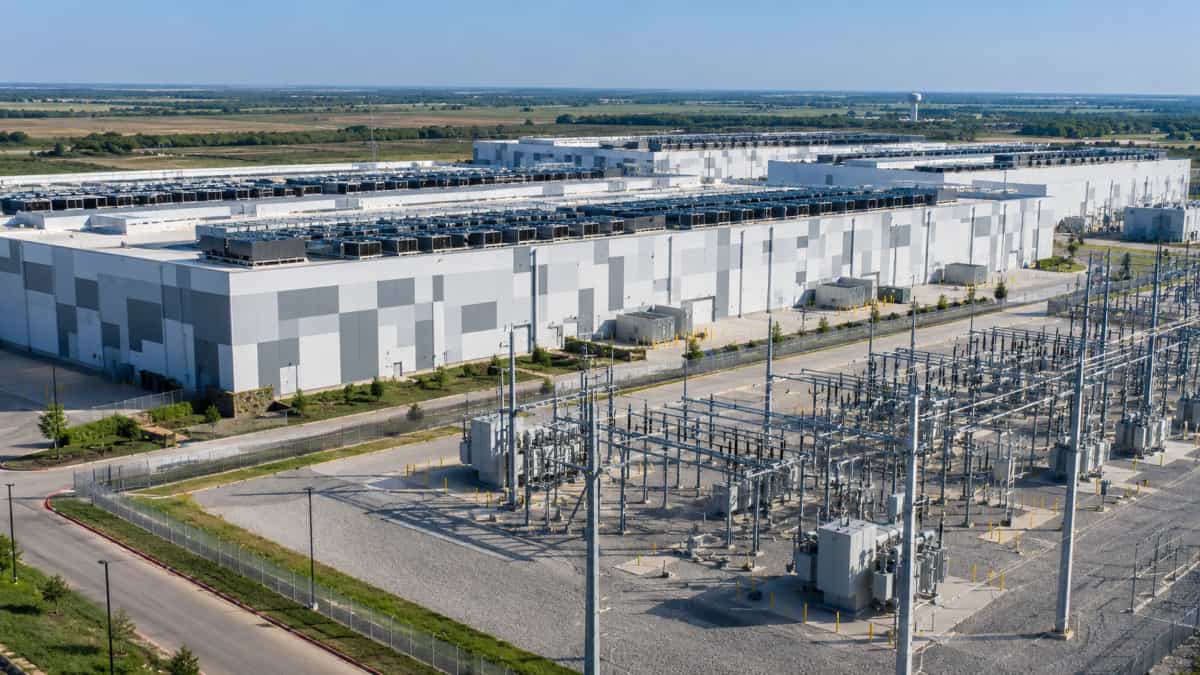
US data centers generated 25.7Mt of power-linked CO₂, but grid mix matters
A Harvard assessment of 403 large facilities shows why the climate cost of digital infrastructure cannot be judged by electricity use alone.

Gold falls below US$3,500 as 2027 mine budgets face a price test
Companies are setting exploration and investment plans while US inflation data challenges the price assumptions behind project economics.