
Chile’s mining concessions span 13.6 million hectares, but exploration is hard to track
Falling grades are sharpening the need for new targets as Chile changes what concession holders report and pay.
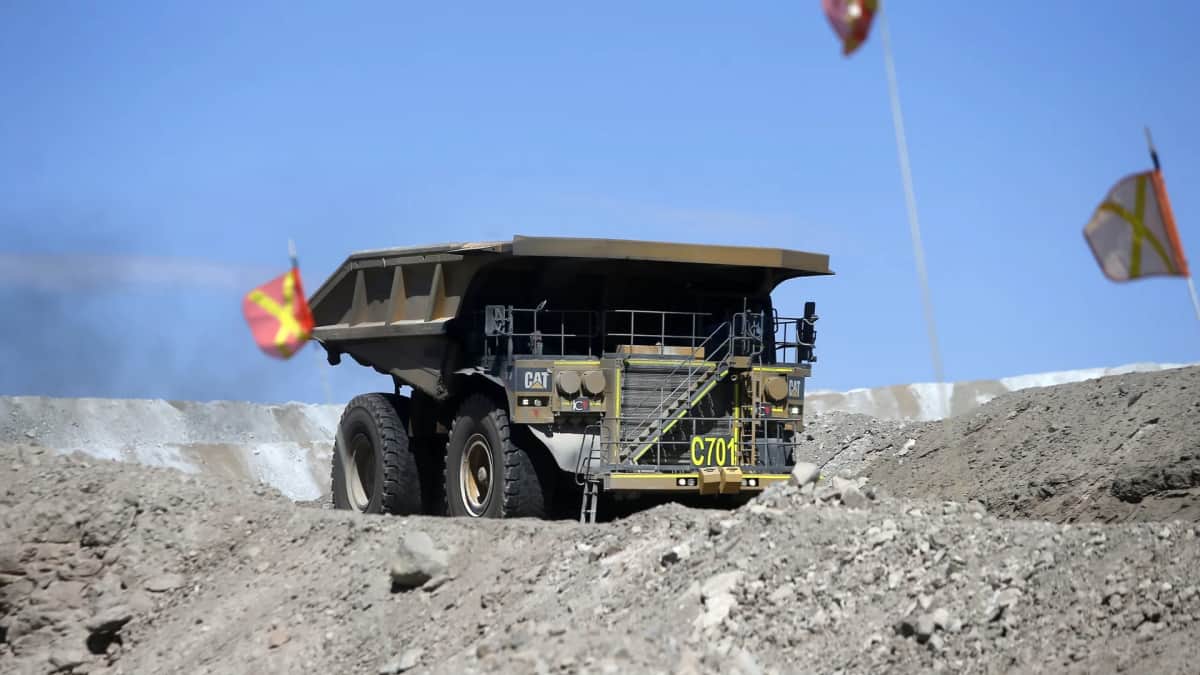
dialogue.earth
Why it matters: How Chile distinguishes strategic mineral holdings from ground with little recent exploration could affect access to future targets as established mines face declining grades.
13.6 million hectares — area covered by 74,347 exploitation concessions in Sernageomin records for February 2026.
Less than 10% — estimated share of concessions being worked, according to the Ministry of Mining’s 2025 public account.
More than 10,000 roles — holders reported no exploration activity for these mining-register entries under the new system.
545 projects — registered in SIGEX from August 2024 to May 2026.
Chile’s mining system covers extensive areas with concessions, but the available figures do not show how much of that ground has been adequately explored. Sernageomin records for February 2026 listed 74,347 exploitation concessions covering 13.6 million hectares. Separately, the Ministry of Mining estimated in its 2025 public account that less than 10% of concessions were being worked.
Those figures have different dates and statistical bases. Nor does a concession automatically mean a known deposit, an active exploration programme or ground available for development. Overlaps, environmental restrictions, surface rights and other constraints also affect what can be explored or mined.
Concession totals do not show what has been tested
A Congressional Library report based on Sernageomin’s February 2026 records put the concession area at 136,474 square kilometres. Tarapacá, Antofagasta, Atacama and Coquimbo accounted for 85.6% of exploitation concessions by number and 86.8% by area.
A separate Ministry of Mining analysis using 2021 data found that the 15 largest holders controlled about half of the area under exploration concessions and 46% of exploitation-concession area. The historical snapshot included state-owned and private companies, and is not a current ranking. Holding a large concession area does not in itself establish that a company has breached its obligations or left the ground deliberately inactive.
The unresolved issue is how much land is being investigated, how much has been ruled out through technical work, and how much lacks sufficient geological assessment. The new Geological Exploration Information System, or SIGEX, offers the state a developing source of information, but its initial figures need careful interpretation.
SIGEX records declarations, not a complete exploration census
From August 2024 to May 2026, SIGEX registered 545 projects under the new rules, including 179 associated with exploration-concession extensions and 287 linked to biennial obligations for exploitation concessions. Sernageomin had completed technical review of 150 projects. The system also recorded more than 10,000 mining roles for which holders declared no exploration activity.
Those roles are not necessarily abandoned concessions, and the declarations do not prove that no geological work was ever done. The system is being implemented progressively, so the figures are not yet a definitive census of Chilean mining property.
Chile’s framework does not impose a general requirement to drill every mining claim annually or a universal minimum exploration spend per hectare. Exploration-concession extensions can require evidence of exploration work through geological information, subject to the alternatives set out in law. Failure to provide required information can bring penalties of up to 100 annual tax units.
Patent changes alter the cost of holding ground
Law 21,853, published on November 5, 2026, changes Chile’s Mining Code provisions on patents, benefits and procedures. For exploitation concessions that do not qualify for a reduction, it replaces an escalating patent schedule with a general rate of 0.4 UTM per hectare a year. The previous schedule rose with the age of the concession, reaching 12 UTM per hectare from year 31.
The new rates and reduction criteria in Articles 142 bis and 142 ter take effect after publication of the corresponding regulatory amendment; they should not be treated as automatically applicable from the law’s publication date. The reform also expands circumstances for reduced rates, including certain project-development stages and certified delivery of geological information, and creates a special regime for qualifying small producers with up to 500 hectares.
A lower long-term rate could reduce the cost pressure to transfer older holdings, while eligibility for reductions retains an economic distinction tied to specified conditions. The practical effect will depend on the regulations and on how holders meet the revised criteria. As SIGEX expands, its records may give Chile a clearer view of declared activity, but they will not by themselves establish the geological potential of each concession.
More in Mining Stocks
Why Chile has not built a lasting junior market for mineral exploration
Major producers absorbed most exploration spending in 2025, while earlier exchange efforts struggled to turn listings into repeat financing.
Chile’s 1% copper-export exploration scenario leaves the funding model open
The hypothetical pool would target early-stage work, but export receipts are not automatically available to the state.
Chile's US$111bn mining pipeline puts greenfield funding in focus
Tax certainty targets large projects, while proposed financing tools for junior explorers have yet to clear Congress.