
U.S. awards Samoa seabed leases as Earthjustice seeks to overturn sale
A federal court ruling on endangered-species protections is central to a pending bid to undo the sale.
Why it matters: The award creates a first-of-its-kind U.S. deep-sea mining tenure while putting marine protections and endangered-species law under scrutiny.
US$6 million — total awarded for the two leases
31 million acres — combined seabed area
20 years — term of each lease
150 to 240 miles — distance east of Pago Pago
Wetstone U.S. Ventures won two U.S. seabed mining leases near American Samoa for US$6 million, despite a pending legal challenge seeking to overturn the sale. The auction took place on November 19, 2026, and Wetstone was the only company to submit bids.
The leases cover 31 million acres of seabed between 150 and 240 miles east of Pago Pago. They run for 20 years and are the first seabed mining leases of their kind awarded by the United States.
Wetstone was the only bidder
The award follows prolonged opposition to deep-sea mining in the Pacific, including protests and legal challenges. The U.S. Department of the Interior has defended the potential extraction of minerals from the seabed, saying they are needed for modern electronics and clean-energy technologies.
The source material does not specify which minerals Wetstone intends to target or provide details of a proposed extraction programme. The lease award therefore establishes tenure, but does not itself set out a mining schedule or project plan.
Earthjustice challenges the sale
Earthjustice is seeking to have the leases annulled. The organization argues that the auction went ahead despite a federal court order that, in its view, barred the sale from proceeding.
The dispute stems from a ruling by a federal court in Hawaii that the National Marine Fisheries Service violated the Endangered Species Act when it approved the 20-year leases. Earthjustice says the sale should not have proceeded in light of that ruling and maintains its request before the courts.
Earthjustice attorney David Henkin described deep-sea mining as “reckless and unproven” and warned of potential effects on marine ecosystems. He also questioned whether seabed extraction is necessary, arguing that recycling phones and other sources could meet some mineral demand.
The leases have been awarded, but the legal challenge remains pending; the court’s consideration of Earthjustice’s request will determine whether the sale stands.
More in Frontier Mining
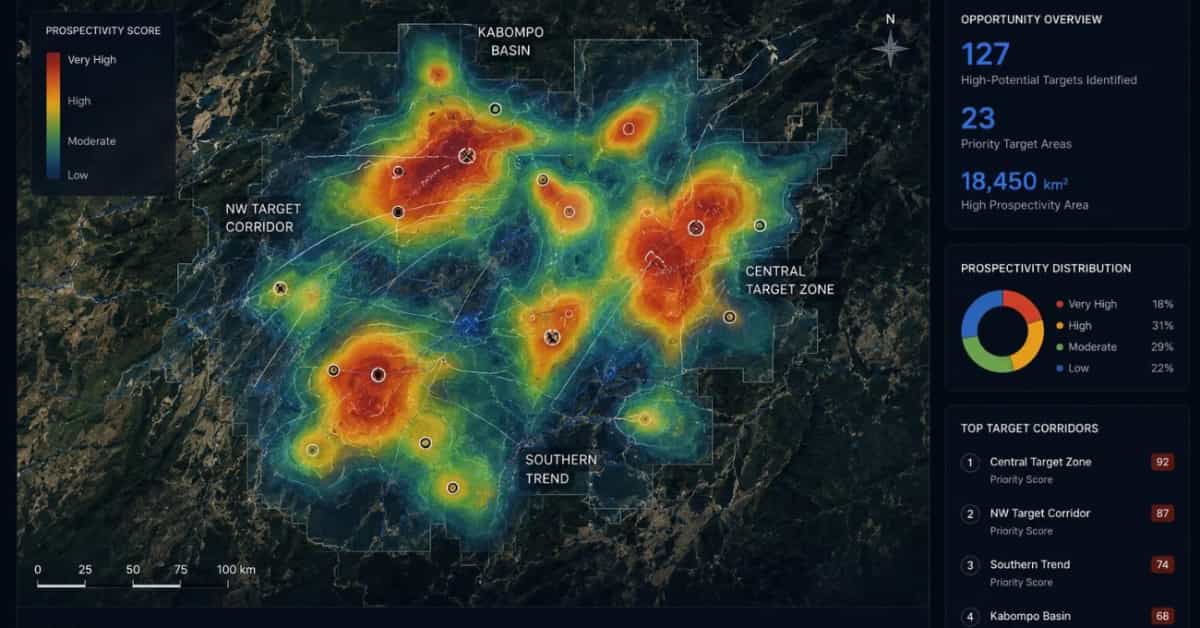
VCI Global targets Malaysian mineral exploration with GeoX, but projects remain unconfirmed
The partnership outlines four possible routes to market, while leaving its first deployment and commercial terms undefined.
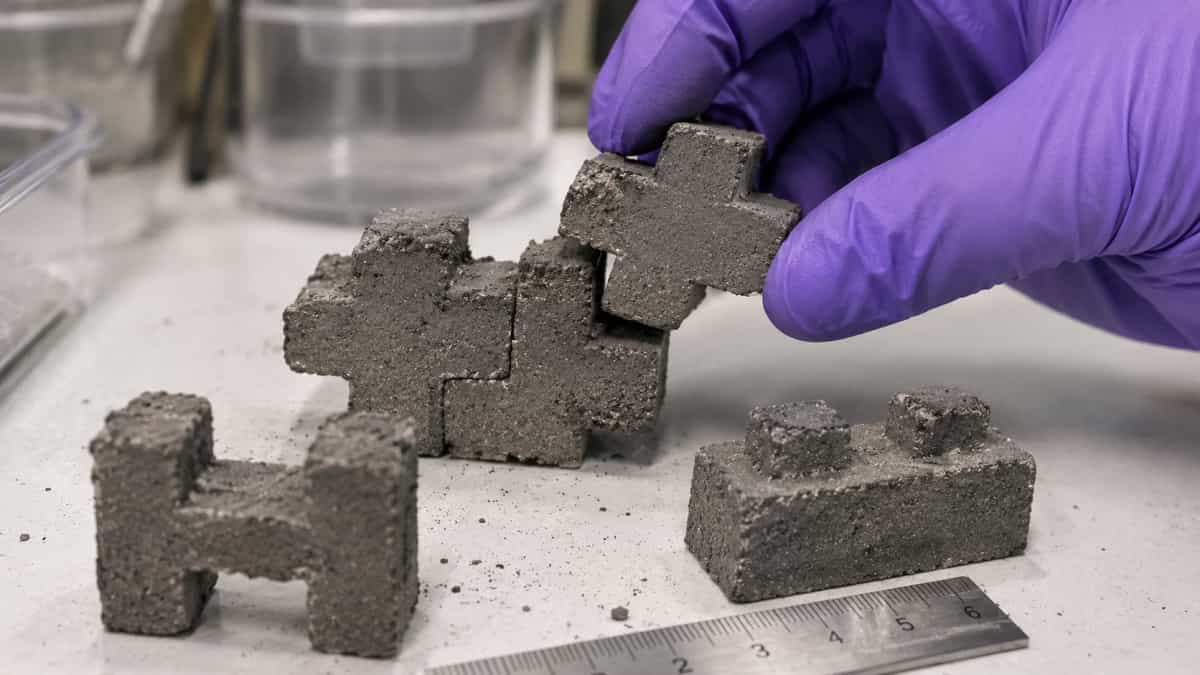
Arkansas researchers print LEGO-like lunar soil blocks, but strength remains a hurdle
The interlocking pieces need no added binder, but laboratory assembly is only one test for construction on the Moon.

Voyager 1 reaches a one-light-day distance as NASA loses its engineering data
The probe still emits a carrier signal, but the telemetry gap complicates efforts to diagnose its latest fault.