
Scottie Resources finds high-grade gold beyond planned mine limits
The Blueberry Contact holes could extend the underground layout, but their true widths and continuity remain unresolved.
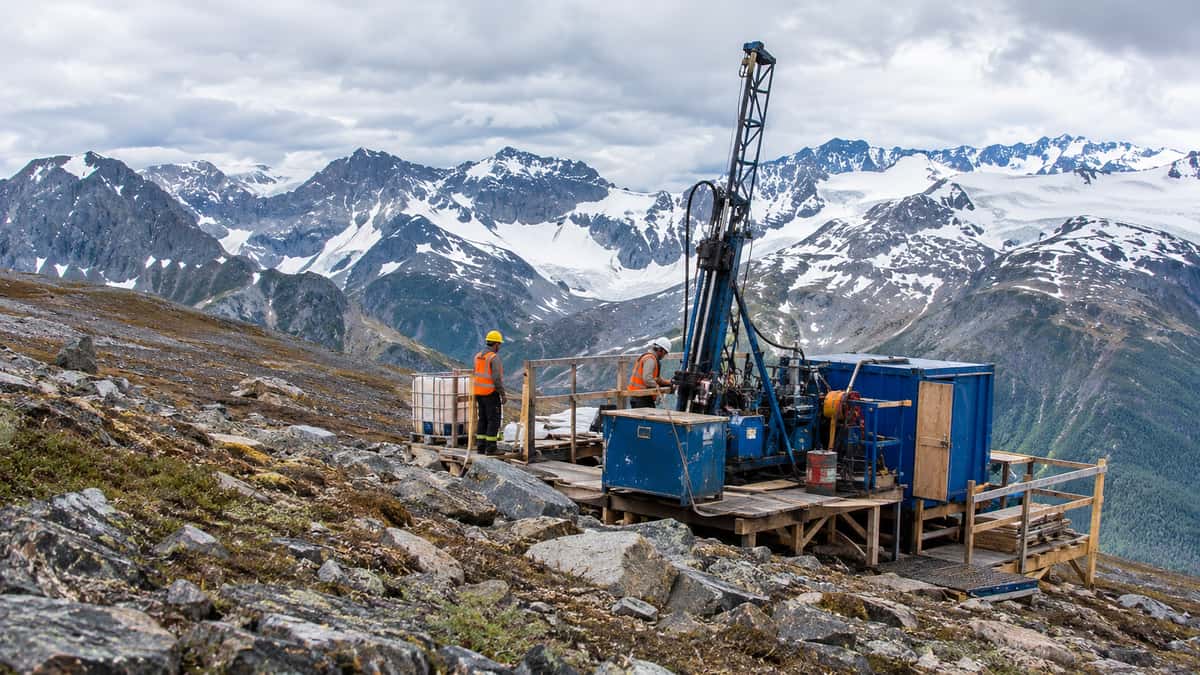
Why it matters: Outlying vein intercepts could expand the deposit envelope, but their value depends on demonstrating continuity sufficient for mine planning.
61,578 metres — drilled in 227 holes during Scottie Resources’ 2026 campaign.
25.5 g/t gold over 14 metres — SR26-560 intercept at Blueberry Contact.
703,000 ounces — current Scottie Gold Mine resource, entirely classified as inferred.
First half of 2027 — targeted timing for an updated resource estimate and feasibility study.
Scottie Resources has reported high-grade gold intercepts at Blueberry Contact, part of its Scottie Gold Mine project in British Columbia, including 14 metres grading 25.5 g/t in hole SR26-560. The intercept lies about 20 metres beyond the extraction boundary in the project’s 2025 preliminary economic assessment (PEA). A separate hole returned 1.50 metres grading 120 g/t beneath the modeled Blueberry 5 structure.
The results come from the company’s largest drilling campaign at the property, which totalled 61,578 metres in 227 holes. Most assays from the program are still pending, and the reported intervals are downhole lengths rather than established true widths.
Blueberry intercepts extend beyond the PEA layout
Hole SR26-560 cut mineralization in the Blueberry 3 and Blueberry 4 structures. Within the 14-metre interval grading 25.5 g/t, Blueberry 3 returned 8 metres at 17.6 g/t, including 4.50 metres at 29.5 g/t. Blueberry 4 returned 3 metres at 72.1 g/t.
The company said the main intercept is approximately 20 metres outside the extraction limit defined by the PEA. That position could support investigation of a larger underground layout, but inclusion in a mine plan would depend on the structures’ continuity, geometry and potential mining costs. Scottie estimates true widths at 70% to 100% of the drilled lengths, although they have not yet been precisely established.
Other results also fall beyond areas considered in the preliminary design. At Fifi 1, SR26-563 returned 11 metres at 10.1 g/t, including 2 metres at 50.1 g/t, about 40 metres outside the PEA extraction boundary. At Fifi 2, SR26-540 intersected 6.85 metres at 5.8 g/t, including 1 metre at 33 g/t, roughly 30 metres beyond the design. At Lemoffe 4, SR26-525 returned 3.75 metres at 8.5 g/t, including a separate 1.35-metre interval at 11.7 g/t below the modeled vein.
A 120 g/t interval needs geological follow-up
Hole SR26-522 intersected 1.50 metres at 120 g/t approximately 20 metres below the currently modeled Blueberry 5 structure. The result may point to additional mineralization, but further drilling and an updated three-dimensional geological model will be needed to test whether it belongs to a continuous structure.
The company’s current resource estimate, published in May 2025, contains 3.6 million tonnes grading 6.1 g/t gold for 703,000 ounces. All of the resource is classified as inferred. The estimate does not include approximately 27,000 metres drilled in 2025 or more than 60,000 metres drilled in 2026, but the amount or classification of any future resource change is not yet known.
Scottie’s 2025 PEA outlines an underground operation with a seven-year mine life and average annual production of about 65,400 ounces. It estimates initial capital at C$129 million. The study also assessed third-party processing at the Premier mill, but the company has no definitive processing agreement; that scenario remains an option rather than a committed development route.
Assays will feed a 2027 resource update
Scottie expects to complete a new mineral resource estimate and feasibility study in the first half of 2027. The update will incorporate outstanding assays and evaluate the distribution and classification of mineralization, while the feasibility work will assess operational, metallurgical, financial and infrastructure requirements.
The latest high-grade intervals are exploration results, not additional reserves or proof of economically recoverable gold. Their contribution to the project will depend on establishing vein continuity and incorporating any supported extensions into the updated resource and mine design.
More in Discoveries
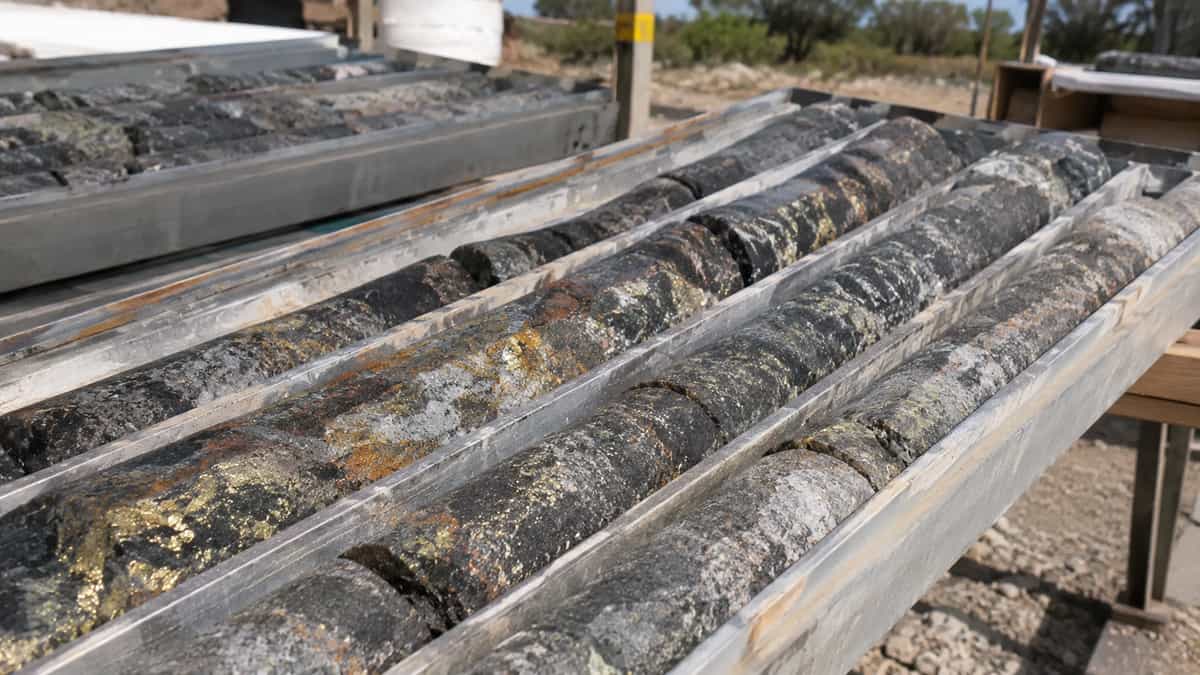
NexMetals finds third copper-nickel zone at Selebi Main, but its scale is untested
The deep target lies below Selebi Main’s known Lower Zone, and its continuity will shape how the deposit is modelled.
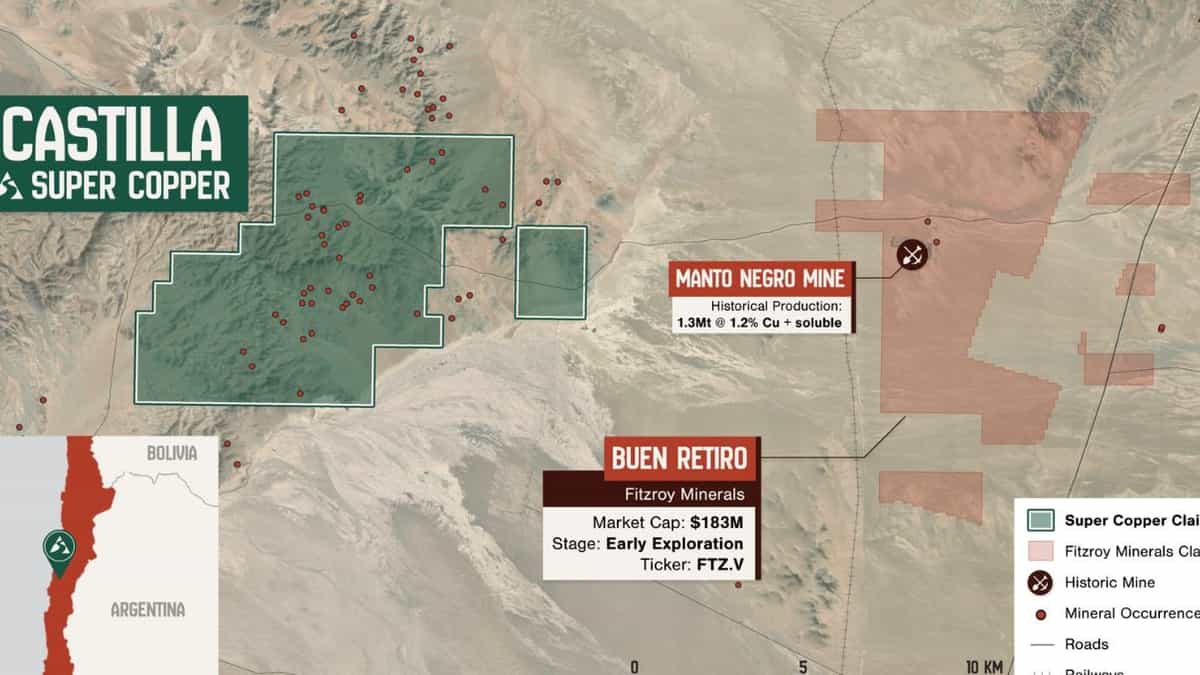
Super Copper maps 600-metre Castilla target, but drilling must test it
The IP response overlaps historic workings and high-grade surface samples, yet neither shows whether copper and gold continue at depth.