
NexMetals finds third copper-nickel zone at Selebi Main, but its scale is untested
The deep target lies below Selebi Main’s known Lower Zone, and its continuity will shape how the deposit is modelled.
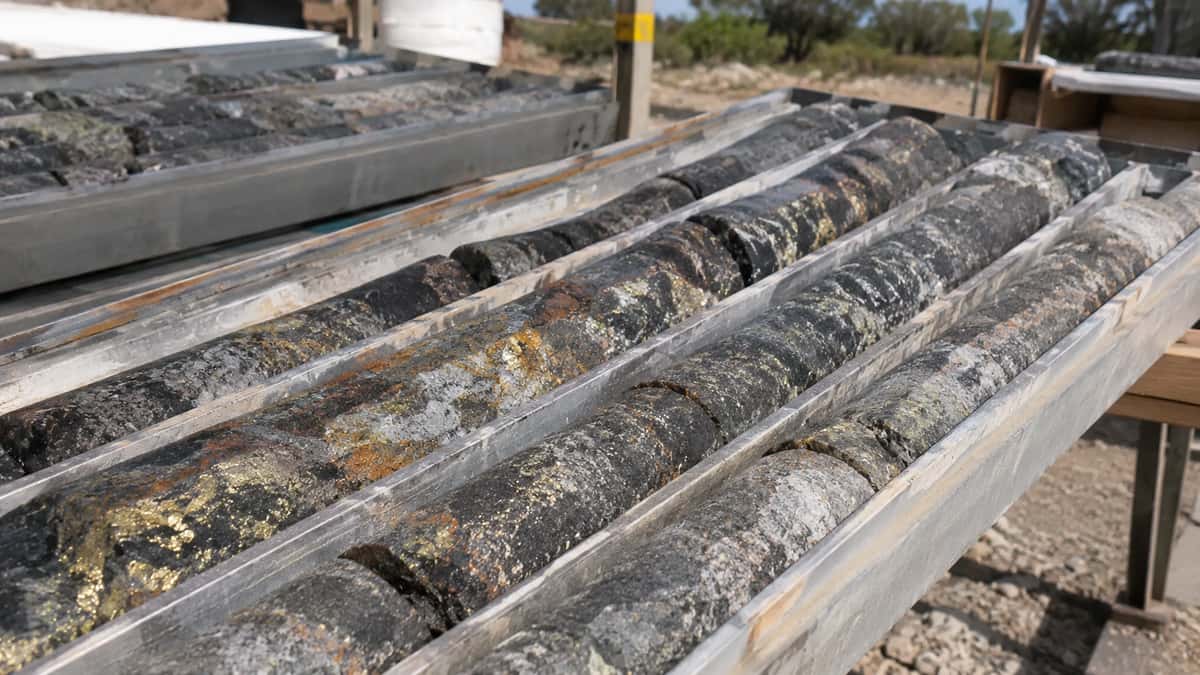
Why it matters: A third mineralised zone could alter the geological model at Selebi Main, but its continuity must be tested before it can contribute to resources.
6.30 metres — the new zone in hole SMD-26-217, grading 2.67% copper and 1.85% nickel
6.22 metres — estimated true width of the new zone
1.5 kilometres — interpreted length of the high-grade trend after a roughly 100-metre extension
32.47 million tonnes — Selebi Main’s October 2026 inferred resource, grading 1.53% copper and about 0.98% nickel
NexMetals Mining has identified a third copper-nickel mineralised zone beneath the known zones at its Selebi Main deposit in Botswana. Hole SMD-26-217 intersected 6.30 metres grading 2.67% copper and 1.85% nickel, including 4.30 metres at 2.98% copper and 2.38% nickel.
The intersection adds a new target to the deposit’s geological interpretation, but does not represent a formal resource increase. The company reported in October that Selebi Main contained 32.47 million tonnes of inferred resources, following a 72% increase from its previous estimate. The newly reported interval would need to be modelled and assessed through the relevant technical procedures before it could be incorporated into a future estimate.
SMD-26-217 cuts three mineralised intervals
The hole reached a total depth of 2,050.9 metres and intersected three separate zones of sulphide mineralisation. The new zone lies beneath the previously identified Lower Zone. NexMetals estimated its true width at approximately 6.22 metres; the reported interval length is measured along the drill hole and may differ from the body’s actual thickness.
The other intervals in SMD-26-217 were 3.15 metres grading 3.14% copper and 0.86% nickel in the main zone, and 6.60 metres grading 1.35% copper and 1.95% nickel in the Lower Zone. The new zone returned 6.30 metres at 2.67% copper and 1.85% nickel, with the higher-grade 4.30-metre section within it.
A third sulphide zone below the known Lower Zone adds another feature to resolve in the deposit model. Its extent and continuity remain uncertain and will require follow-up drilling.
High-grade trend extended toward Selebi North
SMD-26-217 also extended the interpreted high-grade trend approximately 100 metres toward Selebi North, to a total length of about 1.5 kilometres. The result gives the company additional information for assessing the relationship between mineralised areas in the Selebi system, but does not by itself establish continuous mineralisation along that length.
A separate hole, SMD-26-216-W1, drilled about 165 metres north of the high-grade trend, returned 3.45 metres grading 2.86% copper and 1.52% nickel in the Lower Zone. Within that interval, 1.45 metres graded 3.61% copper and 1.94% nickel. The hole also intersected one metre at 2.98% copper and 1.07% nickel in the main zone.
The results add data in an area with a lower previous drilling density. NexMetals has also reported downhole electromagnetic survey targets to the sides and at depth. Such anomalies can be associated with conductive sulphides, but require drilling to establish whether they represent mineralisation.
Resource growth does not establish an economic deposit
The October resource update for Selebi Main reported 32.47 million tonnes inferred at 1.53% copper and approximately 0.98% nickel. Across Selebi Main and Selebi North, the company reported about 41.95 million tonnes of inferred resources grading 1.45% copper, 1.01% nickel and 0.05% cobalt. Selebi North also has 8.95 million tonnes of indicated resources grading 1.03% copper, 1.08% nickel and 0.06% cobalt. These are mineral resources, not economically mineable reserves.
Earlier 2026 results included 7.45 metres at 2.52% copper and 1.54% nickel in SMD-26-213, and 7.55 metres at 2.70% copper and 1.83% nickel in SMD-26-219. NexMetals said exploration and geological modelling are continuing, alongside technical studies and comparisons of operating alternatives to support a prospective preliminary economic assessment.
The company has not confirmed construction investment, commercial production capacity or a start-up date for Selebi Main. Further drilling will be needed to test the new zone’s continuity and determine whether it changes the geological model or future resource estimates.
More in Discoveries
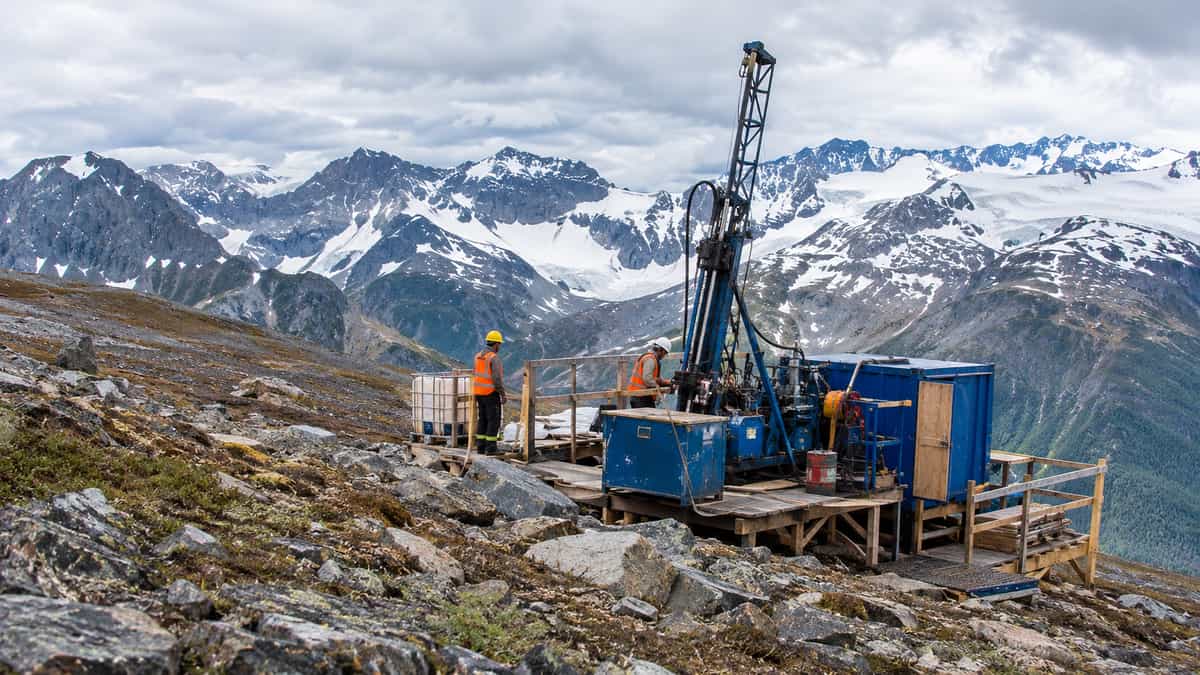
Scottie Resources finds high-grade gold beyond planned mine limits
The Blueberry Contact holes could extend the underground layout, but their true widths and continuity remain unresolved.
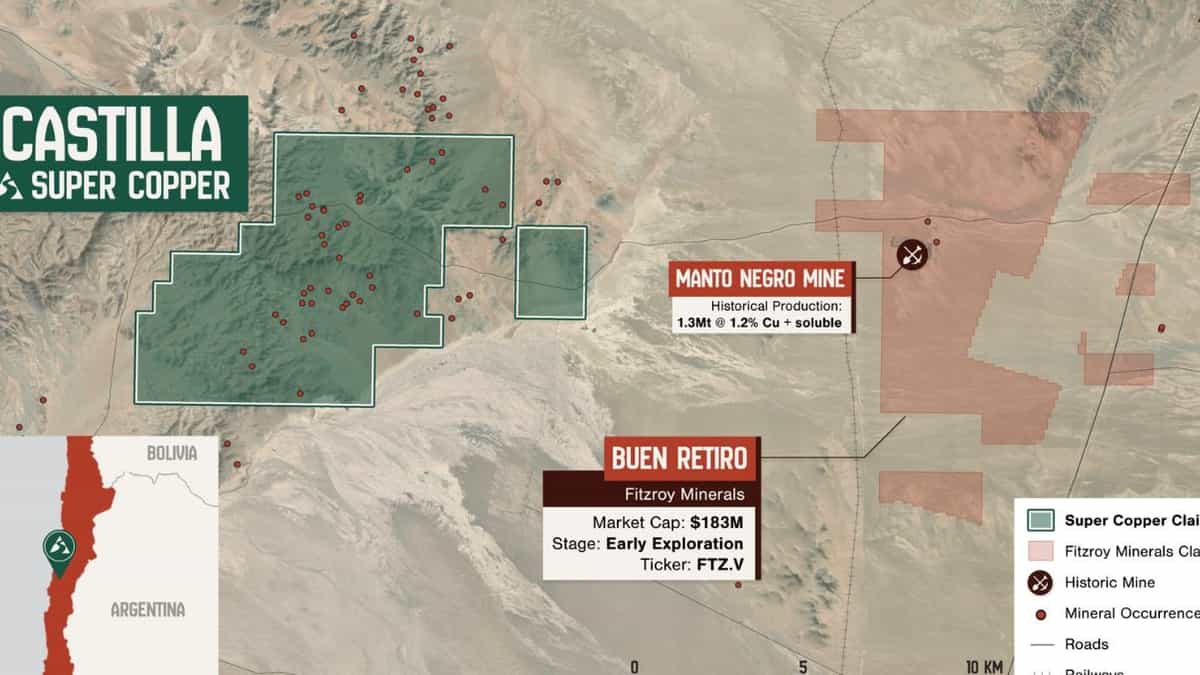
Super Copper maps 600-metre Castilla target, but drilling must test it
The IP response overlaps historic workings and high-grade surface samples, yet neither shows whether copper and gold continue at depth.