
Prospectiva extends São Francisco copper zone, but continuity remains unproven
The step-out sits about 60 metres northeast of an earlier high-grade hit, while the folded sulphide target may thicken and thin along its structure.
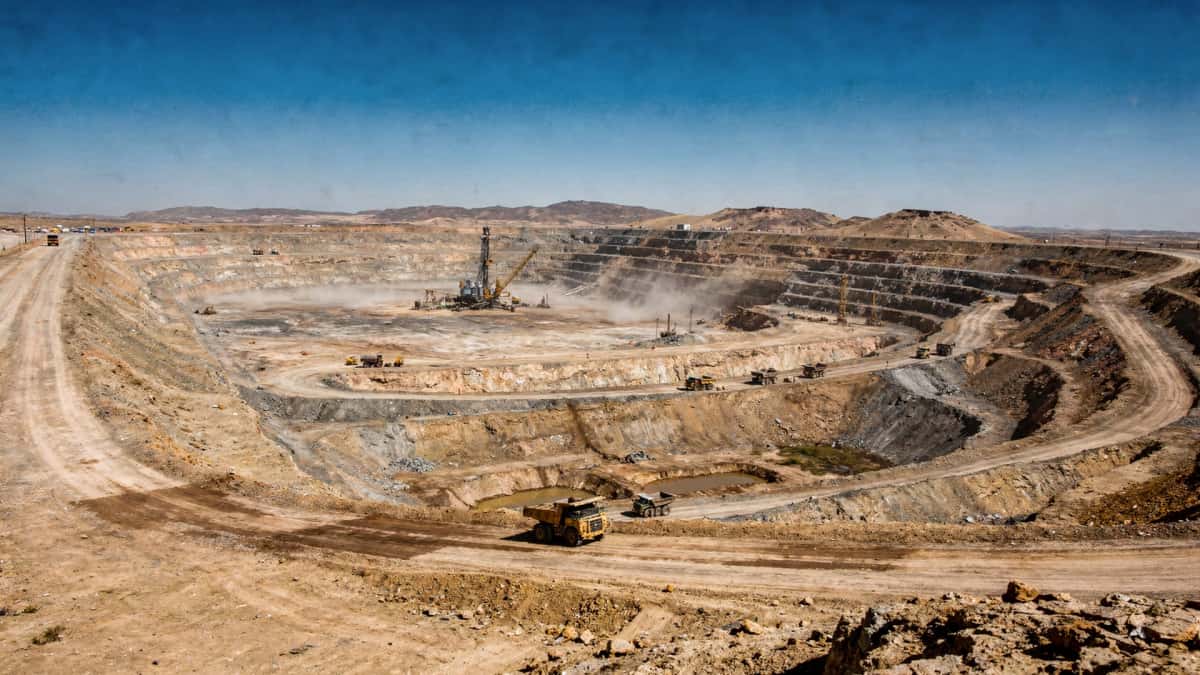
Why it matters: The new intercept strengthens the case for a deformed sulphide system, but its geometry and continuity must be established before Prospectiva can define a resource.
10.02 metres at 11.75% copper — plus 0.87 g/t gold and 1.09% zinc in SF_26_006
About 60 metres northeast — the step-out’s position relative to earlier high-grade mineralization in SF_26_003
Nine holes completed, six with assays — results from SF_26_007 to SF_26_009 were pending
2027 — Prospectiva’s stated target for a first mineral resource estimate
Prospectiva Resources reported 10.02 metres grading 11.75% copper, 0.87 g/t gold and 1.09% zinc in drill hole SF_26_006 at its São Francisco project in Pernambuco, northeastern Brazil. The interval starts at 104.98 metres downhole and comes from an extension hole about 60 metres northeast of high-grade mineralization previously intersected in SF_26_003. The company called it its most significant copper intersection at the property to date.
The reported interval is measured along the drill hole; its true width has not been established. Prospectiva said the result increases both grade and thickness compared with earlier holes. In October 2026, the company reported a 0.75-metre interval grading up to 15.9% copper at São Francisco.
Other holes also cut copper sulphides
SF_26_004 returned 2.55 metres at 2.02% copper, 0.18 g/t gold and 0.20% zinc, including 0.48 metres at 7.65% copper. A deviation ended that hole at about 40 metres after it intersected the target horizon; the company redrilled it as SF_26_004b. The replacement hole returned 3.37 metres at 2.10% copper, 0.15 g/t gold and 0.26% zinc, including 0.79 metres at 7.57% copper.
SF_26_005 returned 0.85 metres at 0.93% copper from 158 metres, along with a separate one-metre interval at 0.30% copper and 0.19 g/t gold. Prospectiva described the mineralization in the holes as massive to semi-massive, composed mainly of chalcopyrite and pyrrhotite. Core also showed breccias containing angular fragments of host rock within the sulphides, with foliation and chalcopyrite concentration in pressure zones around the fragments.
Folded horizon guides the next drilling
Prospectiva interprets the mineralization as an originally stratabound horizon that was deformed and metamorphosed. Its model proposes that folding created local thickening and thinning of the sulphides. The company said completed holes have intersected the horizon at positions and depths consistent with that interpretation, but further drilling is needed to test continuity and support a resource estimate.
The programme combines eastern extension drilling with shallower holes to the west. Targets draw on historical work, an updated structural model and fixed-loop electromagnetic (FLEM) and downhole electromagnetic (DHEM) surveys. Oriented-core structural measurements and geophysical data are being incorporated into a three-dimensional model to guide hole locations. On November 9, 2026, Prospectiva reported new electromagnetic conductors at the project, with anomalies above 8,000 Siemens.
Assays and true widths remain outstanding
The company had completed nine diamond holes, SF_26_001 to SF_26_009, but had assays for only the first six. Results from SF_26_007, SF_26_008 and SF_26_009 were pending, while SF_26_010 and SF_26_011 were still being drilled. Prospectiva said two rigs were operating and expected the funded programme to finish in the fourth quarter of 2026. Its stated objective is a first mineral resource estimate in 2027.
Samples were prepared at ALS Parauapebas and analysed at ALS Lima. Gold was tested by 50-gram fire assay with an atomic-absorption finish; multi-element analyses used four-acid digestion and ICP-MS and ICP-AES. Copper or zinc samples above analytical limits were reanalysed using ore-grade methods. Prospectiva said its quality controls included certified reference materials, blanks, duplicates and reviews of laboratory controls. Significant intervals used a nominal 0.20% copper cut-off with no internal dilution and length-weighted grades. The technical information was reviewed and approved by Robert Selwyn, Prospectiva’s head of geology and a non-independent consultant.
More in Discoveries
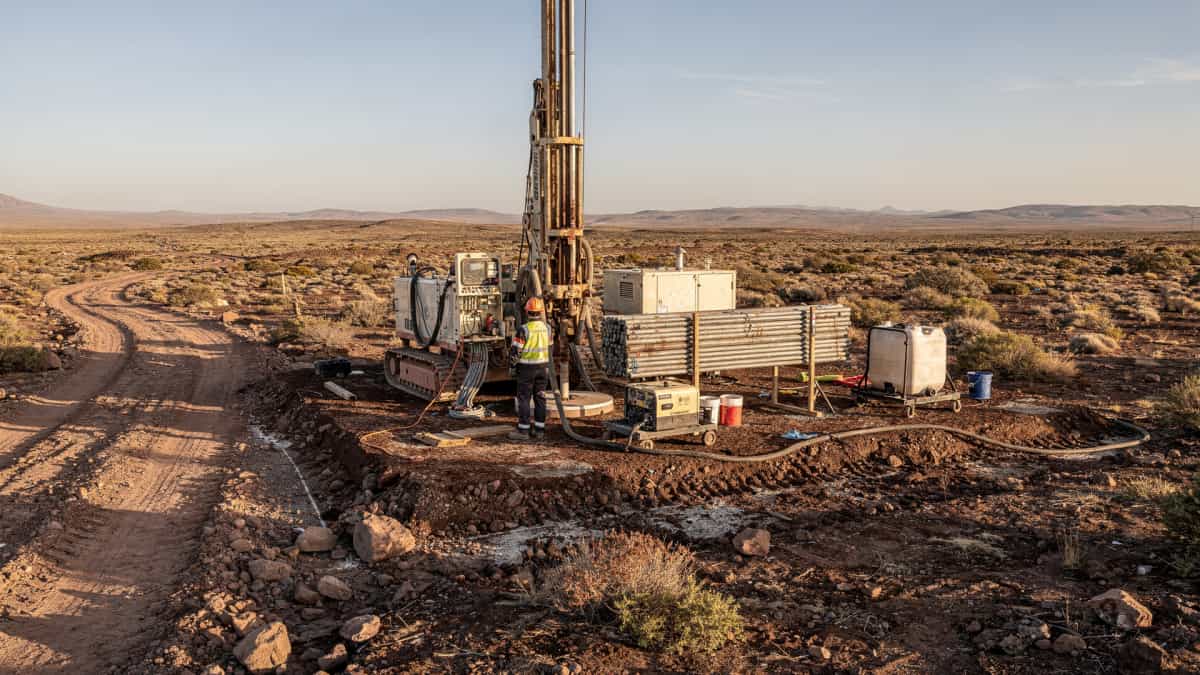
Red Metal’s Pernatty PH1 test faces an access hurdle before 2027 drilling
A historic copper intercept lies near the target, but it does not test the buried-intrusion model Red Metal plans to investigate.
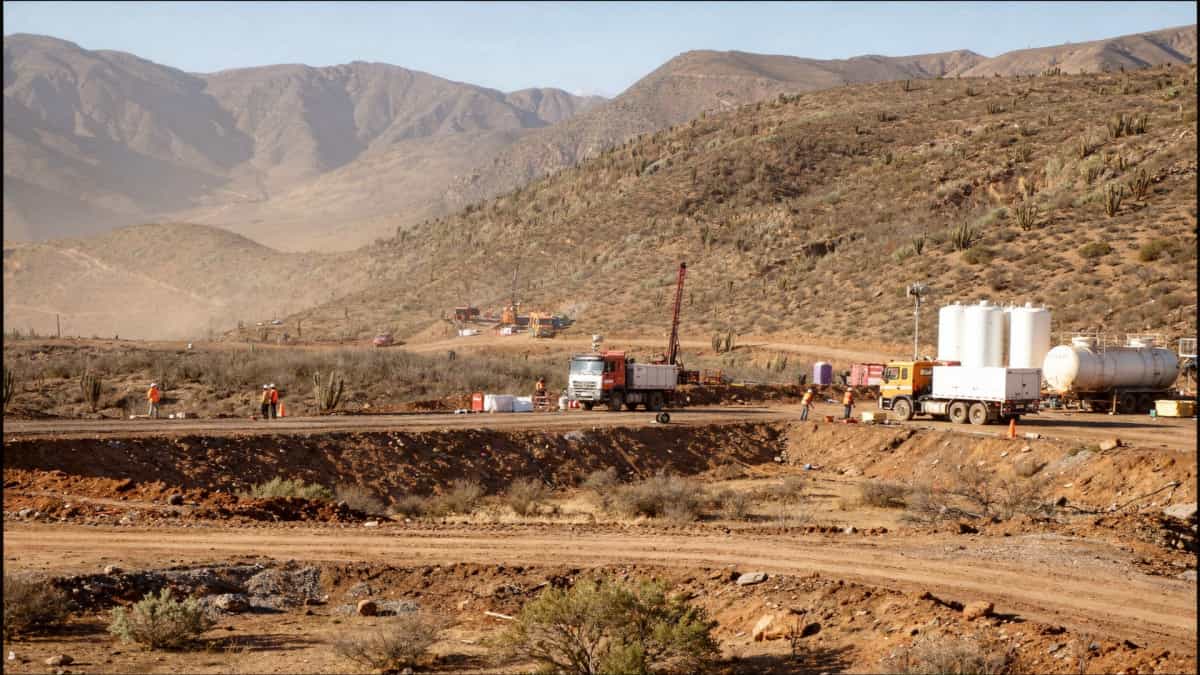
QMines finds copper north of Mt Chalmers, but a 4 km corridor remains untested
The new targets sit in a lightly drilled stretch, leaving their connection to the existing resource unproven.
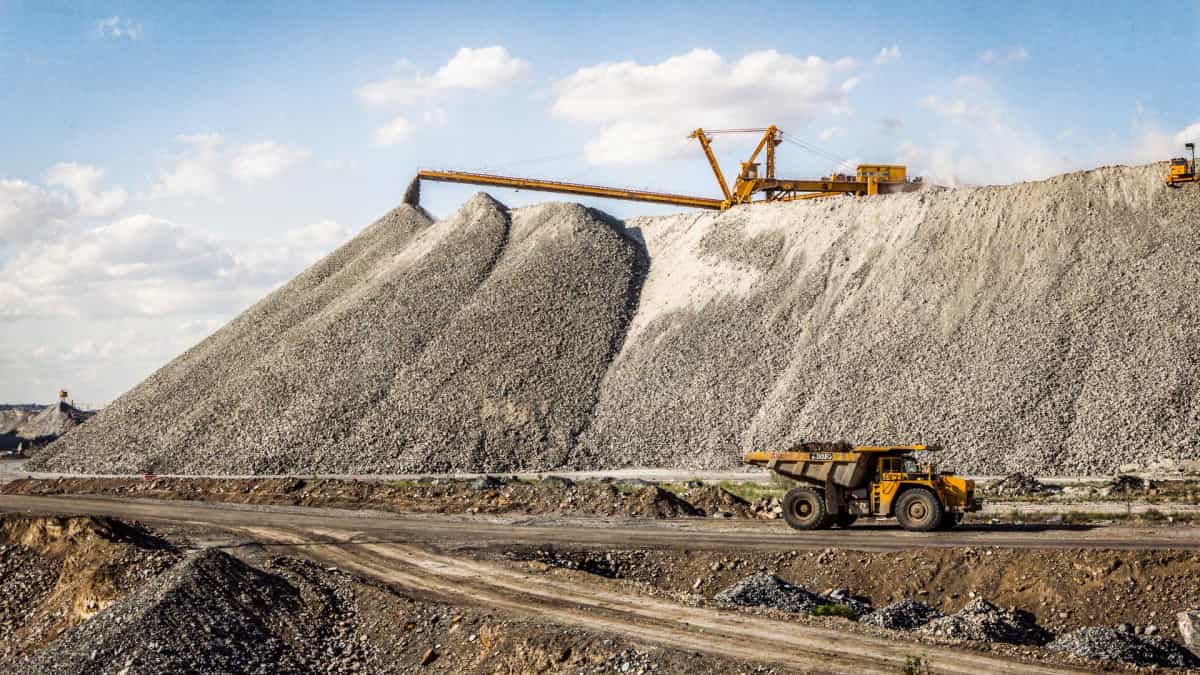
Barkly Rare Earths extends mineralisation, but resource update remains pending
New holes carry the footprint beyond the conceptual target, while assays are still due before the next estimate can be revised.