
Nimy nears final Mons gold hole, with soil anomalies still awaiting assays
More than 18,000 soil samples shaped the targets; the first drilling campaign is now moving from fieldwork to laboratory tests.

resourcesrisingstars.com.au
Why it matters: Mons’s first bedrock drilling will test whether surface gold anomalies reflect mineralization at depth and help determine where Nimy explores next.
25 holes — 4,714 metres of reverse-circulation drilling completed across three prospects.
16 holes — 3,266 metres drilled at Corporate James, the campaign’s largest target area.
23 holes — samples had been sent to Intertek in Perth for analysis.
Nimy Resources was one hole from completing its first gold drilling campaign at the Mons project in Western Australia, after completing 25 reverse-circulation holes totalling 4,714 metres. The final hole was scheduled to finish on November 26, and the company expected its first assay results from December.
The campaign is the first test in bedrock of targets selected from a soil-sampling program that analysed more than 18,000 samples. Results have not yet confirmed gold mineralization at depth or established what caused the surface anomalies. Nimy said samples from 23 holes had been sent to Intertek in Perth, with the final batch expected to arrive on November 27.
Corporate James received most of the drilling
The program covered Corporate James, Corporate James South and Corporate James East, where Nimy had recorded its highest gold-in-soil values at Mons. Corporate James accounted for 16 holes and 3,266 metres. South had six holes totalling 1,046 metres, while East had three holes totalling 402 metres.
Corporate James and Corporate James South are 3.6 kilometres apart. Corporate James East lies about 500 metres east of South, extending the test to another section of the geological contact.
Nimy’s exploration model places the soil anomalies along a north-northeast trend at the contact between greenstone-type rocks and granite. That remains a hypothesis: assays will help establish whether the surface pattern continues into bedrock and what may be producing it.
Electromagnetic surveys target base-metal sources
Separately, Nimy conducted moving-loop electromagnetic surveys over 40.5 square kilometres at Masson Dome and 5.17 square kilometres at Sneaky Squirrel, covering nearly 46 square kilometres in total. The work is intended to identify conductive responses that could help locate sulphide sources and guide follow-up drilling; a geophysical response alone does not confirm mineralization.
At Sneaky Squirrel, earlier drilling intersected zinc-dominant lenses beneath a gossan outcrop. Nimy interprets the mineralization as indicative of a volcanogenic massive sulphide system. At Masson, previous drilling intersected copper, nickel and platinum-group-element sulphides. The surveys are intended to investigate the sources of those previously encountered mineralizations.
Detailed fixed-loop work has begun at Masson, with follow-up surveys planned for Sneaky Squirrel. Geophysical consultant Newexco is interpreting the data, and target recommendations were expected in December. Masson recommendations were anticipated by mid-month, ahead of any design of subsequent drilling programs.
Nimy also said development of a gallium-processing flowsheet and scoping study was nearing completion, with potential offtake partners to be assessed in early 2027. For Mons, the next reported milestones are the gold assays and electromagnetic interpretations; the company has not yet released either the assay results or final drilling recommendations.
More in Discoveries
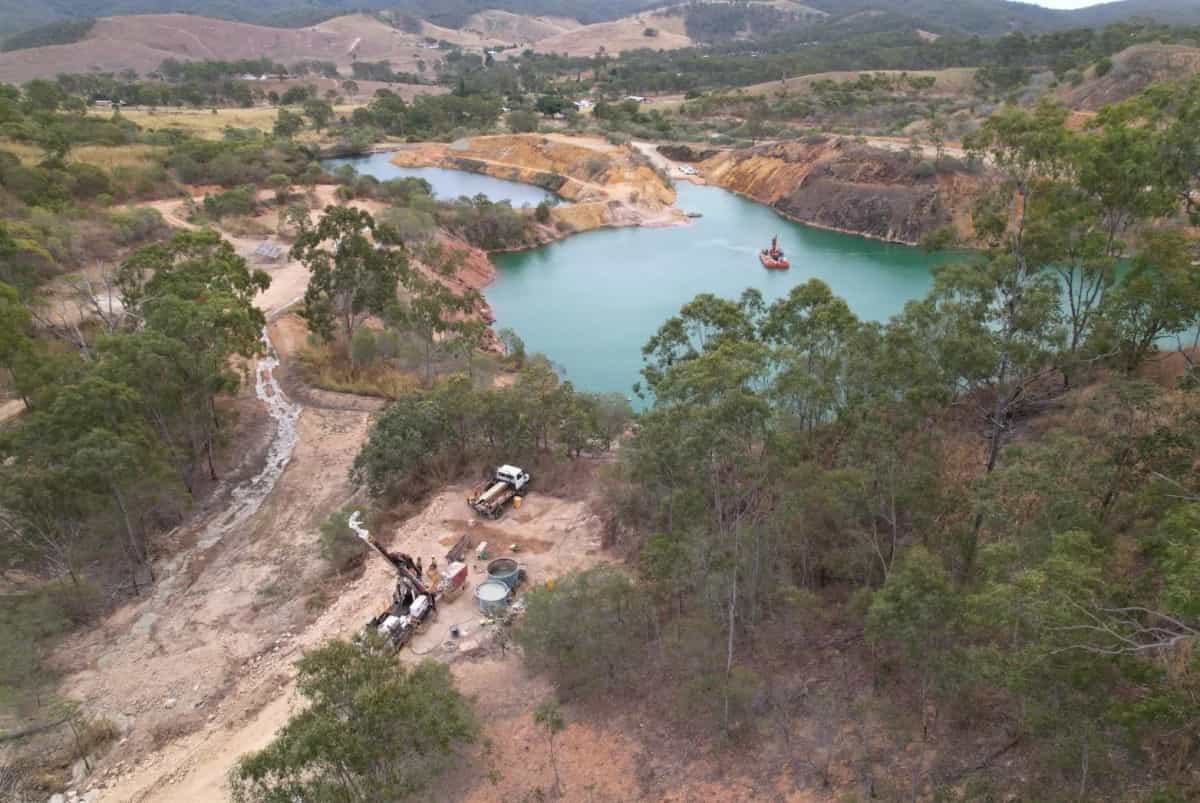
QMines finds high-grade copper beneath Mt Chalmers, but old workings cloud continuity
A pontoon rig is testing ground between historic mine levels, with old plans needed to separate surviving mineralisation from mined-out areas.
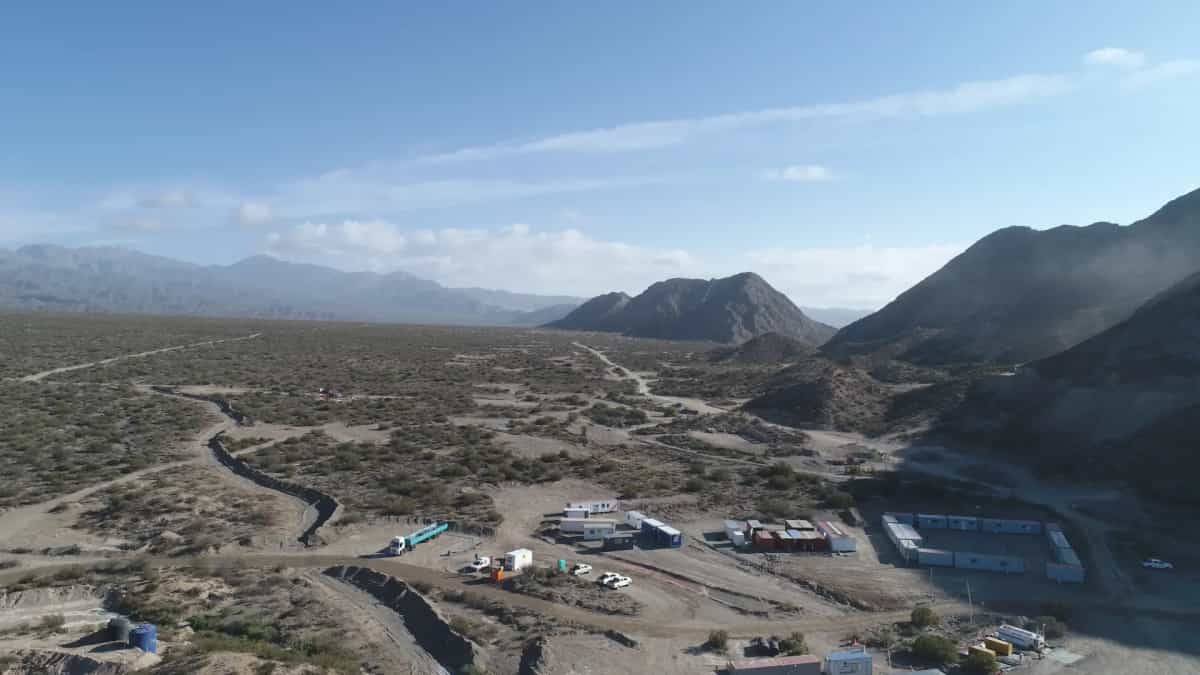
Challenger Gold finds Hualilán mineralisation, but waste blocks need reassessment
The 35,000-metre campaign is testing areas expected to feed Hualilán’s first heap-leach stage, while the status of other pit blocks remains open.
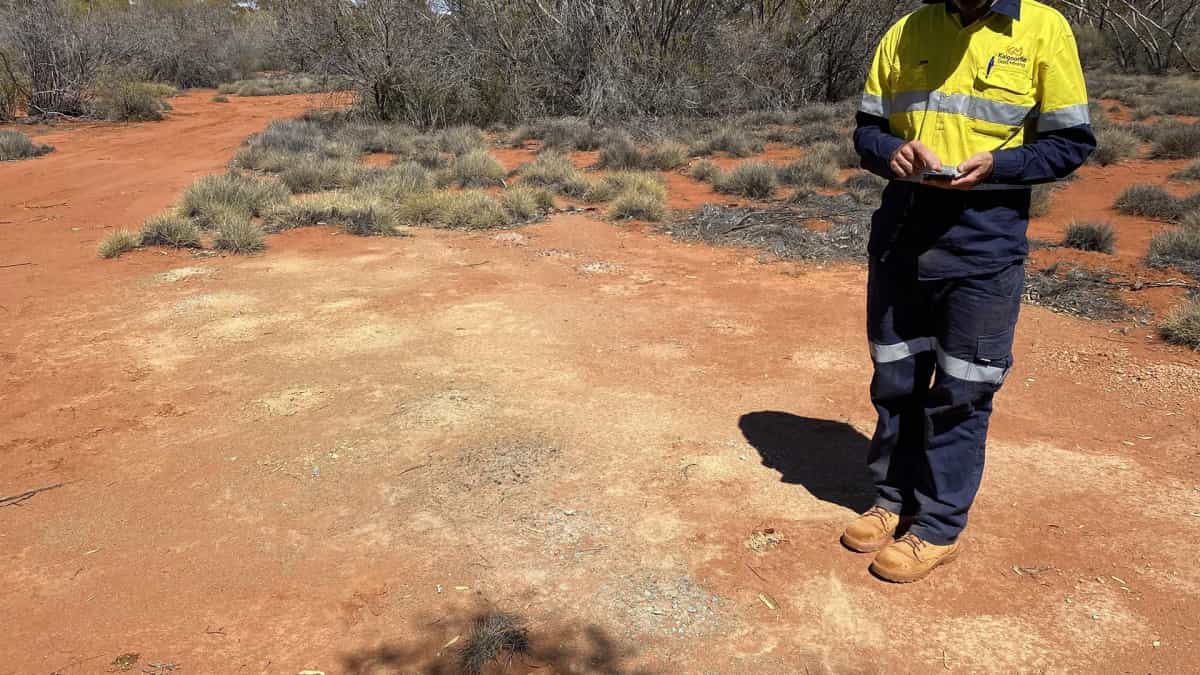
Kalgoorlie Gold finds volcanic rocks beneath mapped granite at Pinjin
The under-cover target lies 20 km along strike from Ramelius Resources’ Rebecca deposit, but the new sequence’s gold potential remains untested.