
Challenger Gold finds Hualilán mineralisation, but waste blocks need reassessment
The 35,000-metre campaign is testing areas expected to feed Hualilán’s first heap-leach stage, while the status of other pit blocks remains open.
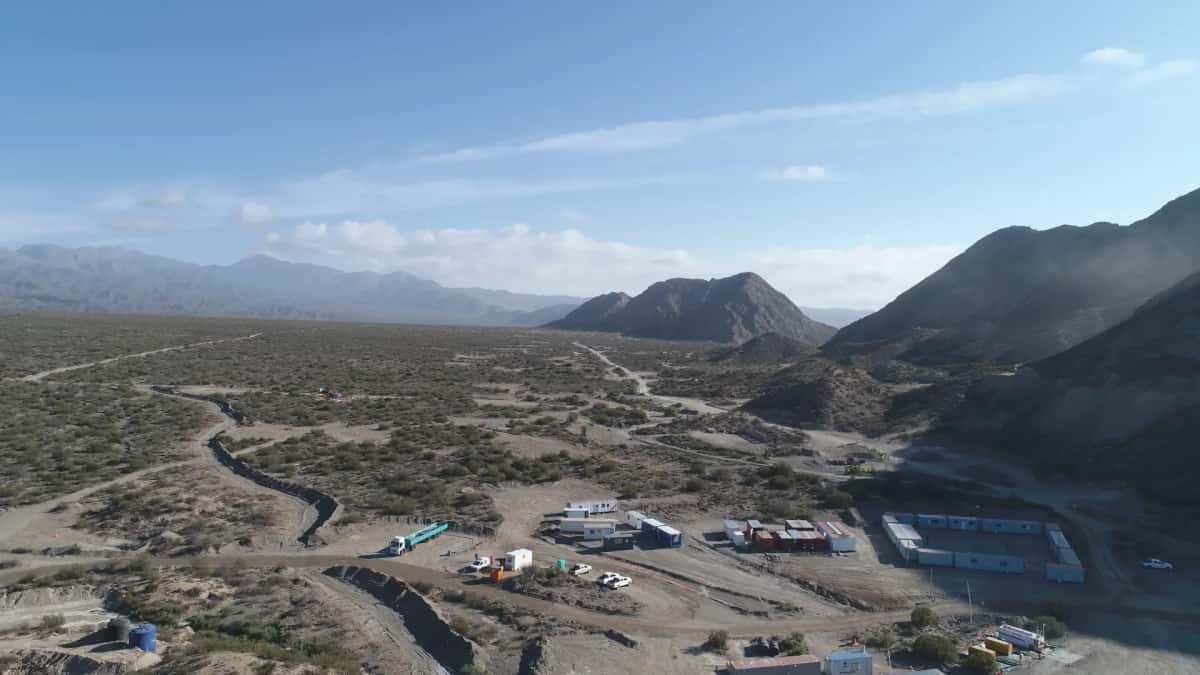
panorama-minero.com
Why it matters: The results could help test the resource model at Hualilán and whether mineralised material currently classed as waste can add potential feed to the planned pit.
57.7 m at 1.31 g/t AuEq — the longest reported interval in the first assay results, at Cerro Norte.
12,900 m across 28 holes — drilling completed by 20 November in the 35,000-metre campaign.
62.9 Mt containing 1.51 Moz of gold — the reserve in the May 2026 pre-feasibility study.
US$85 million — funding secured by Challenger in August 2026 for drilling, studies, development preparation and working capital.
Challenger Gold reported drill intervals of up to 57.7 metres at 1.31 g/t gold equivalent (AuEq) at Cerro Norte, within its Hualilán project in San Juan province, Argentina. The first assays from a 35,000-metre diamond drilling campaign also identified mineralisation at Cerro Sur in blocks that the current mine plan classifies as waste. Their potential inclusion in the pit depends on further geological modelling and economic assessment.
The results cover the first 10 holes with assays received. Challenger said the intervals in the northern and southern areas of the planned pit are consistent with its resource model. As of 20 November, the company had drilled about 12,900 metres in 28 holes and added a fifth rig to the programme. The reported intervals are not identified as true widths.
Cerro Norte results target planned pit areas
At Cerro Norte, the main interval ran 57.7 m at 1.31 g/t AuEq from 83.8 m. Another interval returned 25.1 m at 2.03 g/t AuEq from 85.5 m, including 7.1 m at 5.22 g/t AuEq from the same depth.
A second Cerro Norte hole intersected 54.5 m at 0.43 g/t AuEq from 66 m, including 2.7 m at 3.62 g/t AuEq from 98.3 m. Challenger focused this phase on the planned open-pit core and its northern and southern production areas, including ground expected to supply ore to the first heap-leach stage. Interim chief executive and chief operating officer Yohann Bouchard said the initial assays would help validate the resource model and assess potential within the existing pit design.
Cerro Sur mineralisation sits outside current resource model
At Cerro Sur, a 32.3 m interval grading 0.94 g/t AuEq began at 58.7 m and included 6.5 m at 3.63 g/t AuEq from 76.5 m. Drilling also identified mineralisation outside the current resource model. Some of it lies in blocks classified as waste in the existing mine plan; whether those blocks could provide additional material within the designed pit will depend on geological modelling and economic work.
The distinction matters against Hualilán’s May 2026 pre-feasibility study, which is based on an open-pit resource of 132.1 million tonnes containing about 2.74 million ounces of gold equivalent, and a reserve of 62.9 million tonnes containing 1.51 million ounces of gold. The study’s production estimate included Inferred resources, which carry lower geological confidence than reserves. An independent review found the existing geological interpretation and estimation method provided an appropriate basis for the estimates.
Updated mine plan and estimates are still ahead
Challenger is preparing an updated NI 43-101 technical report based on its current geological database and a mine plan using reserves only, both targeted for the first quarter of 2027. The company plans to update resources and reserves in mid-2027, incorporating results from the ongoing campaign. It is also preparing geotechnical drilling to assess pit slopes and infrastructure.
Challenger secured US$85 million in August 2026 for drilling, feasibility studies, development preparation and working capital. The company’s stated aim is to advance financing and move Hualilán towards construction, with first gold production targeted for early 2029. The reported assays are preliminary, and any change to the classification of waste blocks will require further modelling and economic support.
More in Discoveries
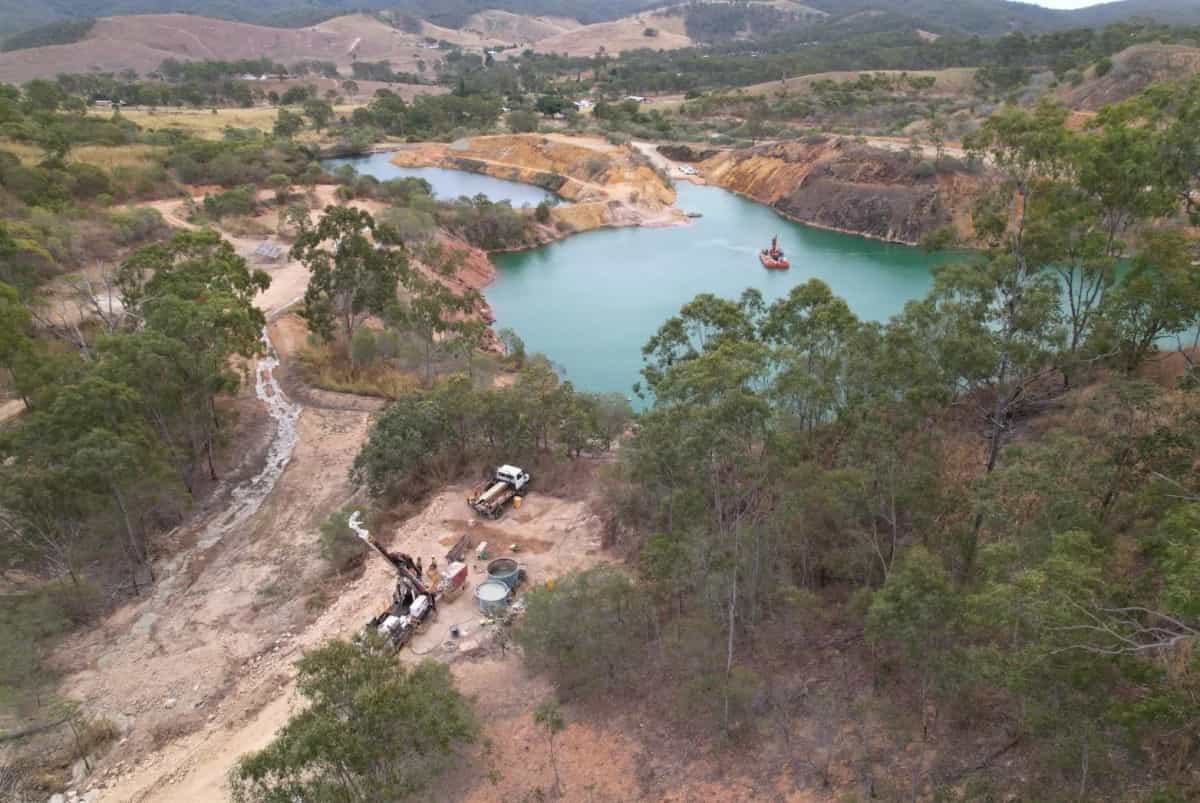
QMines finds high-grade copper beneath Mt Chalmers, but old workings cloud continuity
A pontoon rig is testing ground between historic mine levels, with old plans needed to separate surviving mineralisation from mined-out areas.

Nimy nears final Mons gold hole, with soil anomalies still awaiting assays
More than 18,000 soil samples shaped the targets; the first drilling campaign is now moving from fieldwork to laboratory tests.
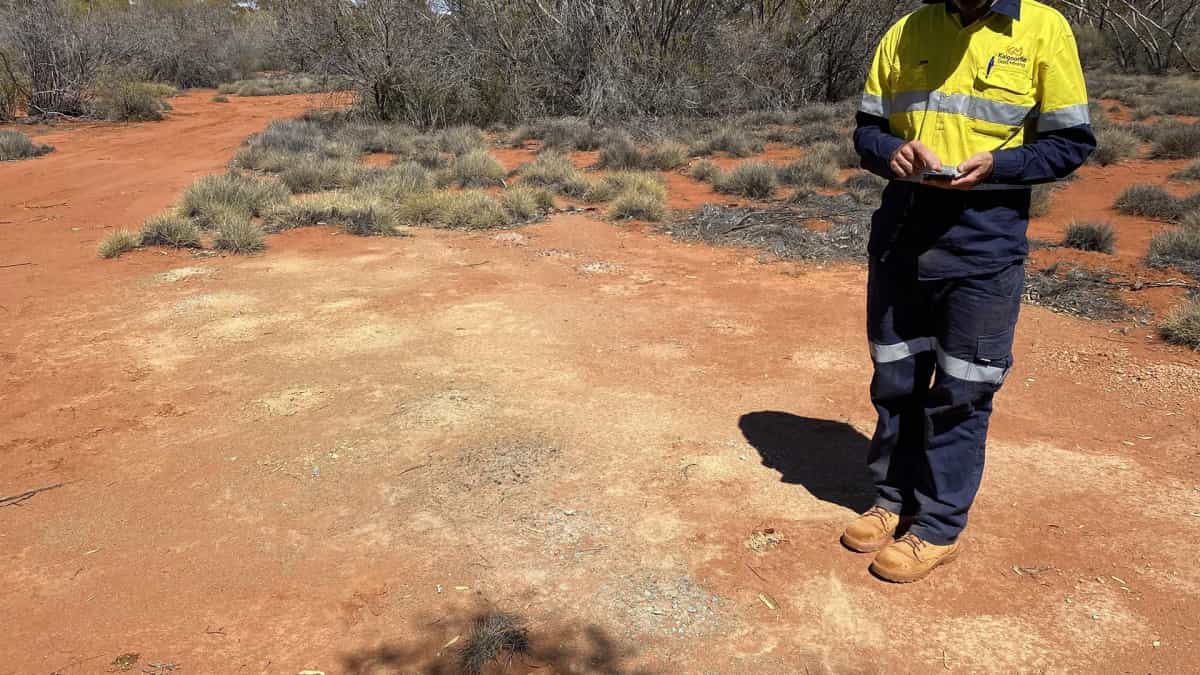
Kalgoorlie Gold finds volcanic rocks beneath mapped granite at Pinjin
The under-cover target lies 20 km along strike from Ramelius Resources’ Rebecca deposit, but the new sequence’s gold potential remains untested.