
Mexico silver drilling finds high grades, but continuity remains the test
Four campaigns across Sinaloa, Querétaro and Durango are testing whether rich intervals belong to wider, economically relevant systems.
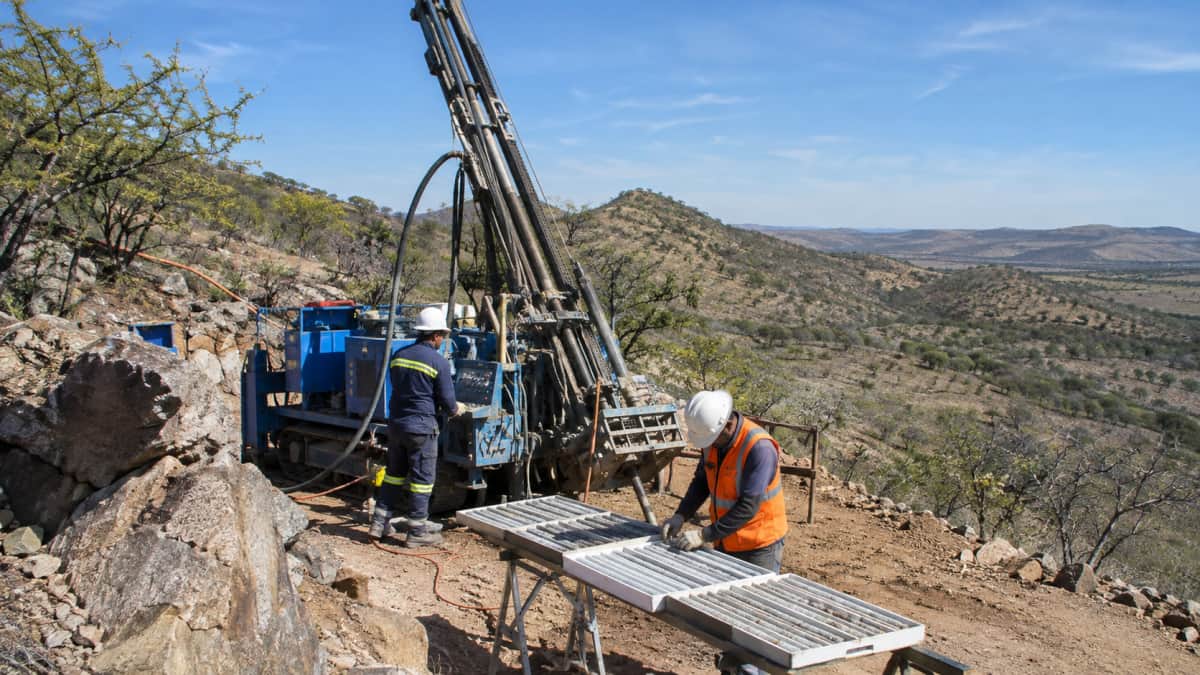
Why it matters: The results could expand exploration targets across established Mexican silver districts, but drilling must establish whether high-grade intervals connect into mineable bodies.
4,232 g/t silver — GR Silver’s grade over a 0.40-metre interval at San Marcial.
35.45 metres at 311 g/t silver — a true-width intercept in GR Silver’s SMS26-19 hole.
20,000 metres — approximately the size of GR Silver’s current drilling programme.
172.9 million ounces — Mexico’s reported silver production in 2025.
GR Silver Mining, Silverco Mining, Southern Silver Exploration and Endeavour Silver reported new silver exploration results in Mexico during November 2026, including high-grade intervals in Sinaloa, Querétaro and Durango. The standout assay was 4,232 grams of silver per tonne (g/t) over 0.40 metres at GR Silver’s San Marcial project, but the companies have yet to establish whether the strongest grades are continuous enough to support future resource growth or development.
San Marcial extends mineralization down dip
At San Marcial, part of the Plomosas district in Sinaloa, GR Silver’s hole SMS26-19 cut 35.45 metres of true width grading 311 g/t silver. The interval included a 1.35-metre section grading 996 g/t silver and the 0.40-metre high-grade assay. The company said the drilling extended mineralization about 80 metres farther down dip; recognized vertical continuity now reaches at least 300 metres.
The company is conducting an approximately 20,000-metre programme, mainly targeting mineralization beyond the boundaries of its 2023 resource estimate. A separate hole, SMS26-17, intersected 2.15 metres grading 1,164 g/t silver, with 0.6% copper and 0.37% tungsten, at the Parallel Breccia target. The associated metals provide additional geological information, but the results do not establish the scale or economic potential of that target.
Results span three other Mexican projects
In Querétaro, Silverco reported that surface hole LN26-001 at the Valenciana target intersected 15.65 metres grading 322 g/t silver, alongside 2.84% lead, 1.75% zinc and 0.43% copper. The interval included 3.65 metres at 897 g/t silver. Valenciana lies about 650 metres northwest of La Negra’s infrastructure. Silverco’s 15,000-metre programme includes 10,000 metres of underground drilling and 5,000 metres from surface. The company also plans LiDAR surveys and induced-polarization work to help select follow-up targets. These are drilled interval lengths, not necessarily true widths; the mineralized bodies’ geometry remains to be established.
At Southern Silver’s Cerro Las Minitas project in Durango, hole 26CLM-231 returned 8.5 metres grading 265 g/t silver, 7.7% lead and 5.6% zinc, equivalent to 536 g/t silver equivalent. It included 1.2 metres at 563 g/t silver, 17.1% lead and 10.3% zinc. Hole 26CLM-232 returned 1.8 metres at 693 g/t silver with base-metal mineralization. The results come from a 14,000-metre programme started in June; 13 of 30 planned holes had been completed at the time of the update. Silver-equivalent grades incorporate other metals under assumptions and are not directly comparable with silver grades alone.
Endeavour Silver reported 20 holes totalling 5,855 metres at Guanaceví, also in Durango. At Alondra-P2, hole UAP-03 intersected 1.42 metres of true width grading 2,479 g/t silver and 11.21 g/t gold, equivalent to 3,431 g/t silver equivalent. A 0.12-metre section returned 9,701 g/t silver and 60.90 g/t gold. The company also reported high-grade mineralization on the Contraria vein. Existing mine infrastructure and operating history may aid evaluation, but continuity, access and economics will determine whether new zones can be incorporated into operations.
Continuity and economics remain unresolved
Mexico produced approximately 172.9 million ounces of silver in 2025, according to the figures cited in the industry outlook. The 2026 outlook referenced in the report projects global mine production of about 834 million ounces and industrial demand of about 640 million ounces, with a supply-demand deficit near 35 million ounces. Such market context does not establish the viability of any individual discovery.
Across the four projects, the next technical test is whether follow-up drilling can demonstrate coherent mineralized zones with workable thicknesses and geometry. Metallurgical recoveries, extraction costs, permitting, water availability and surface rights would also shape any development case. GR Silver’s programme is aimed at extending known mineralization, while Silverco plans further targeting work and Southern Silver continues its drilling campaign; the reported assays alone do not establish new resources, production plans or mine timelines.
More in Discoveries
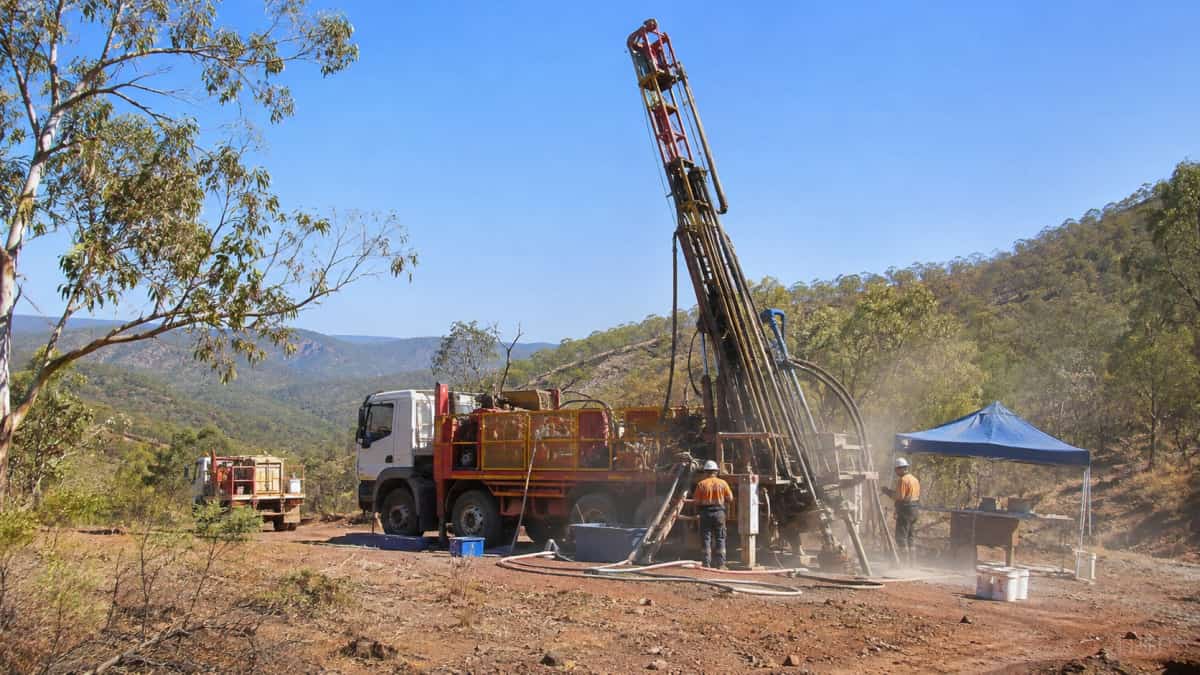
Australian polymetallic drilling adds high-grade zones, but continuity remains unproven
Evergreen’s latest intersections combine precious and base metals, while deeper extensions and links between mineralised zones remain targets.
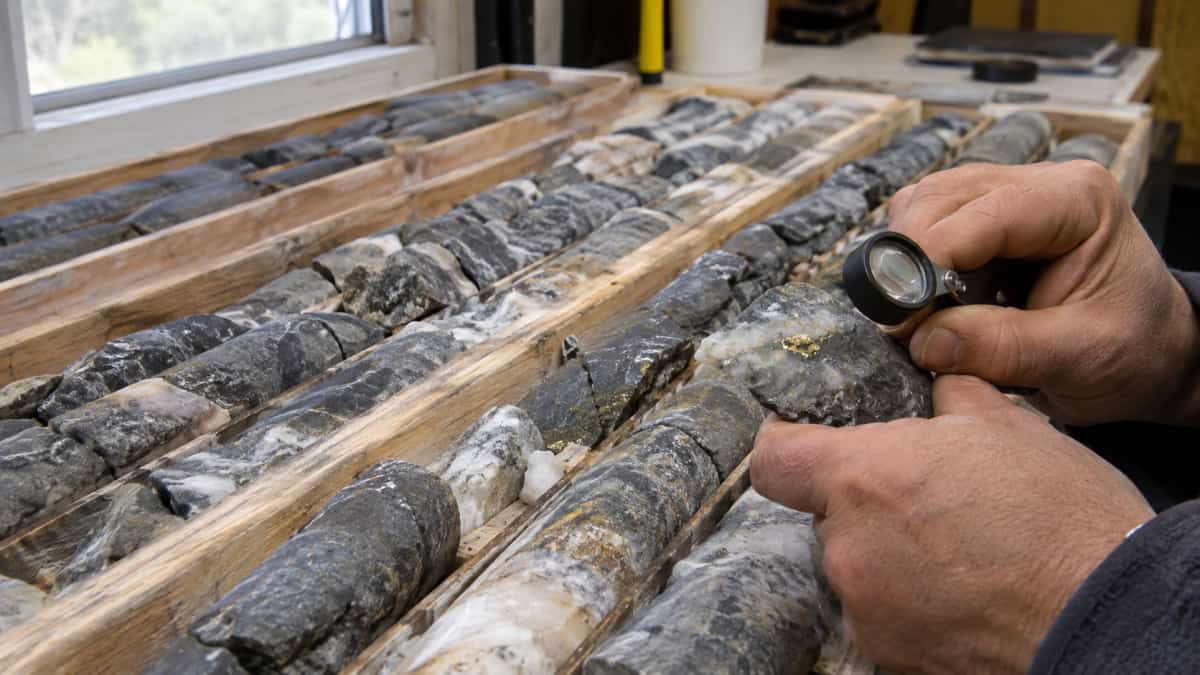
Graycliff’s Shakespeare drilling hits 115.25 g/t gold, but continuity remains untested
At Sudbury, the standout interval is one part of a campaign testing whether high grades extend across mineable widths.
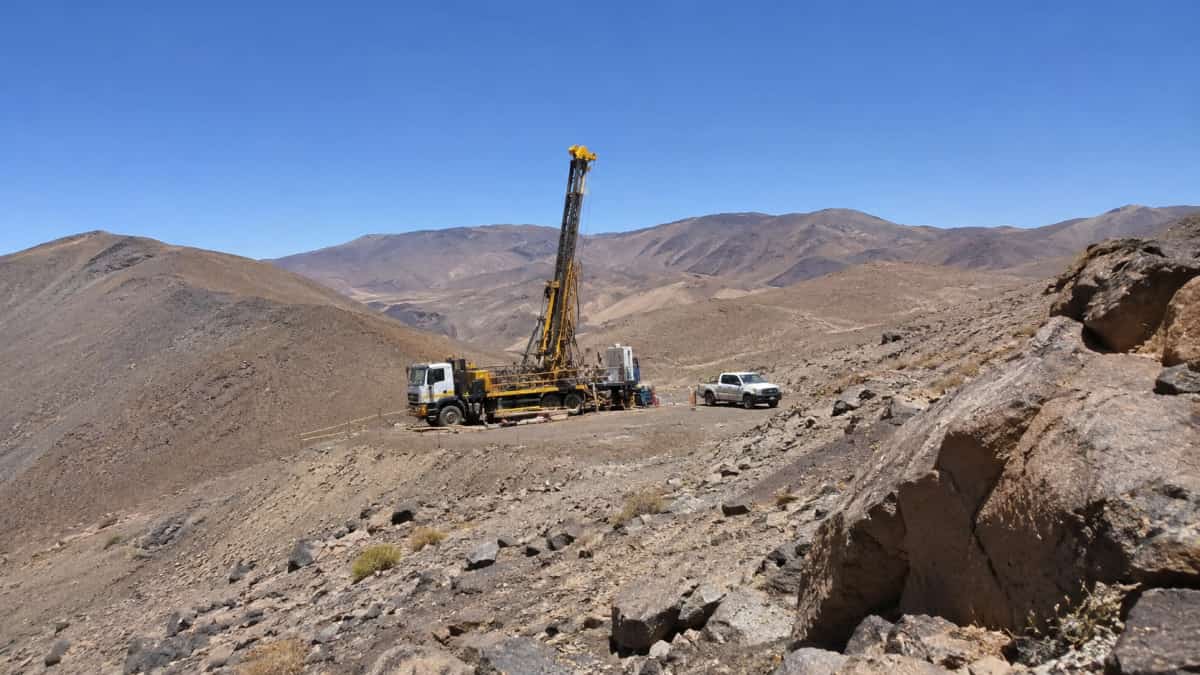
Chile’s 2026 copper hits span high grades and long intervals, but continuity is unproven
At Marimaca’s Pampa Medina, sulphide mantos recur across several holes, while other targets range from porphyry extensions to newly identified structures.