
Graycliff’s Shakespeare drilling hits 115.25 g/t gold, but continuity remains untested
At Sudbury, the standout interval is one part of a campaign testing whether high grades extend across mineable widths.
Why it matters: The results highlight the gap between exceptional drill grades and the continuity, tonnage and recoveries needed to define an economically viable deposit.
6 metres at 115.25 g/t gold — Graycliff’s Shakespeare intercept, from 118 metres downhole.
2.60 metres at 110.47 g/t gold — New Found Gold’s Iceberg result at Queensway, from 27.55 metres downhole.
More than 1,100 metres — the reported mineralized strike length at Kirkland Lake Discoveries’ Mirado West.
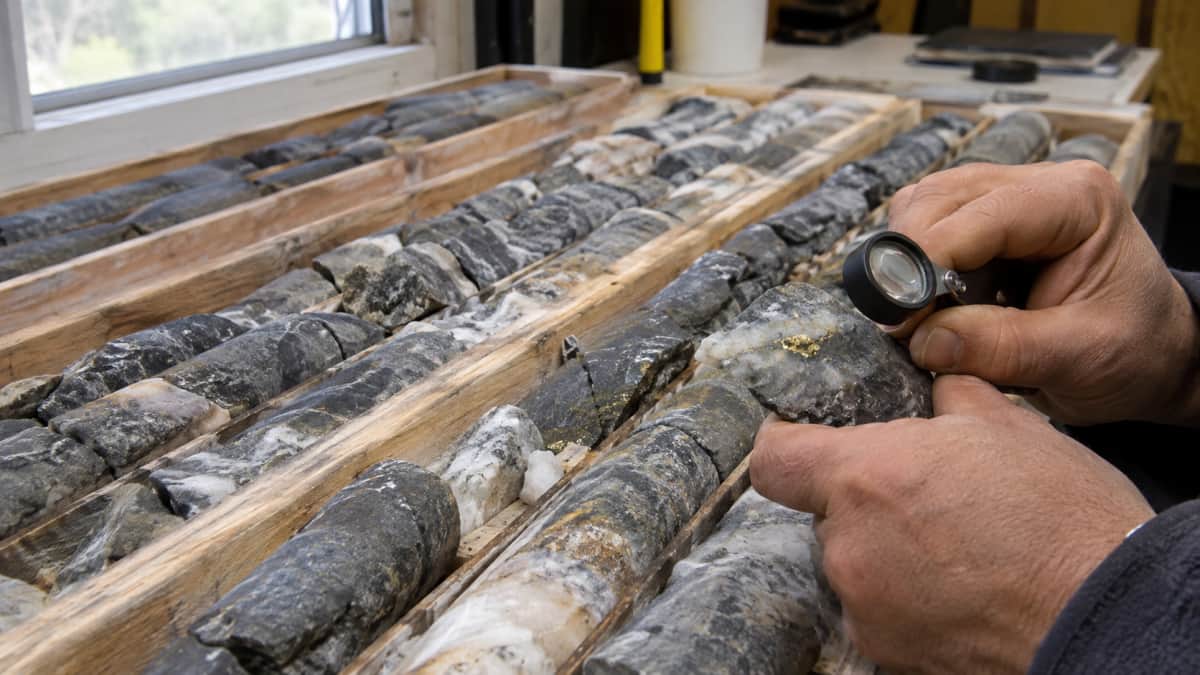
Graycliff Exploration reported an intercept of 6 metres at 115.25 grams of gold per tonne at its Shakespeare project near Sudbury, Ontario, among a series of Canadian gold exploration results released in November 2026. The interval began at 118 metres downhole; the company’s update covered five diamond drill holes, all of which recorded gold mineralization.
The results from projects in Ontario, British Columbia and Newfoundland and Labrador span early-stage target testing and drilling intended to refine geological models and support mine planning. The reported interval lengths are downhole measurements and do not necessarily represent true widths.
Shakespeare’s high grade needs geological context
Shakespeare has a history of gold mining, while current exploration is testing the continuity of mineralized structures and their extension at depth. Graycliff said the campaign also included drilling to obtain samples for metallurgical studies. Those tests will help assess how the gold responds to processing and what recoveries may be achievable; the reported grade alone does not answer those questions.
At New Found Gold’s Queensway project in Newfoundland and Labrador, grade-control drilling at the Iceberg area returned 2.60 metres at 110.47 g/t gold from 27.55 metres downhole and 12 metres at 14.58 g/t from 1.65 metres. Infill drilling at the K2 area returned 2.20 metres at 35.31 g/t. The company’s preliminary economic assessment, released in October 2026, uses an average feed grade of 13.41 g/t gold for the first phase of the Iceberg open pit. The latest drilling is intended to improve confidence in grade distribution and inform mine planning.
Ontario drilling extends known gold systems
Kirkland Lake Discoveries reported that mineralization at Mirado West, part of its KL South project, now extends for more than 1,100 metres. Hole KLM26-048 returned 9.20 metres at 10.53 g/t gold, including 3 metres at 31.93 g/t. A separate interval in the hole measured 68 metres at 0.64 g/t, including 26.50 metres at 1.25 g/t. Mineralization has been identified to about 480 metres downhole, according to the company.
At the historic Sakoose mine in northwestern Ontario, Richmond Hill Resources reported 0.67 metres at 54.2 g/t gold from 146.53 metres in hole SAK-26-001. Its campaign comprises about 1,400 metres across eight holes, and some assay results remain pending. Canuc Resources reported a new East Sudbury structure, Zone 3, after hole SM-26-170 returned 8 metres at 2.99 g/t from 36 metres downhole. Assays from three other holes testing the zone had not yet been reported. Seismic work also indicated that the McLaren Lake fault may extend to more than 6 kilometres depth.
Results span British Columbia and Newfoundland
At Goliath Resources’ Surebet discovery on the Golddigger property in British Columbia’s Golden Triangle, hole GD-26-478 extended the Golden Gate mineralized structure 130 metres west. It returned 4.85 metres at 13.45 g/t gold equivalent, including 3.09 metres at 20.89 g/t and 1.15 metres at 36.45 g/t. Gold-equivalent grades incorporate other metals and metallurgical recovery factors, so they are not directly comparable with gold-only grades.
Galloper Gold’s first reported assays from Glover Island in western Newfoundland included 22.28 metres at 3.14 g/t gold in hole KPS-26-002, including 1.08 metres at 20.30 g/t, from 104 metres downhole. The property also hosts the LPSE deposit, with previously reported resources of 121,000 ounces in the Indicated category and 219,000 ounces in the Inferred category. Across these projects, follow-up drilling, pending assays and metallurgical work will help determine which mineralized zones have sufficient continuity and scale to support resource definition.
More in Discoveries
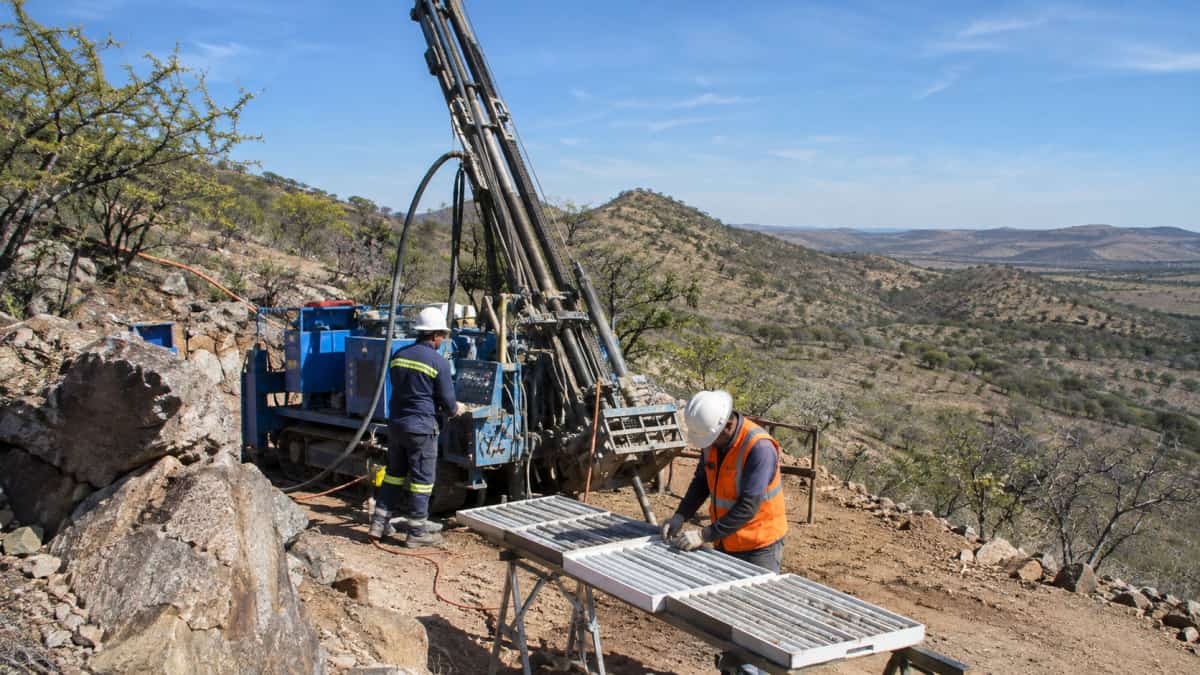
Mexico silver drilling finds high grades, but continuity remains the test
Four campaigns across Sinaloa, Querétaro and Durango are testing whether rich intervals belong to wider, economically relevant systems.
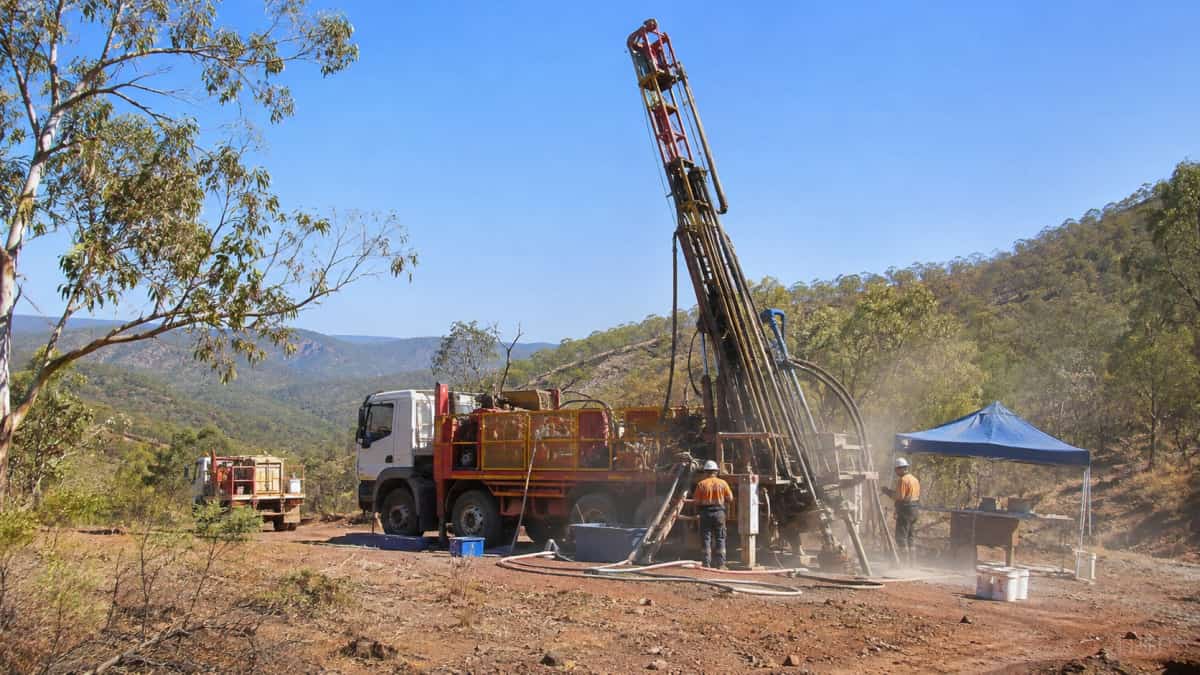
Australian polymetallic drilling adds high-grade zones, but continuity remains unproven
Evergreen’s latest intersections combine precious and base metals, while deeper extensions and links between mineralised zones remain targets.
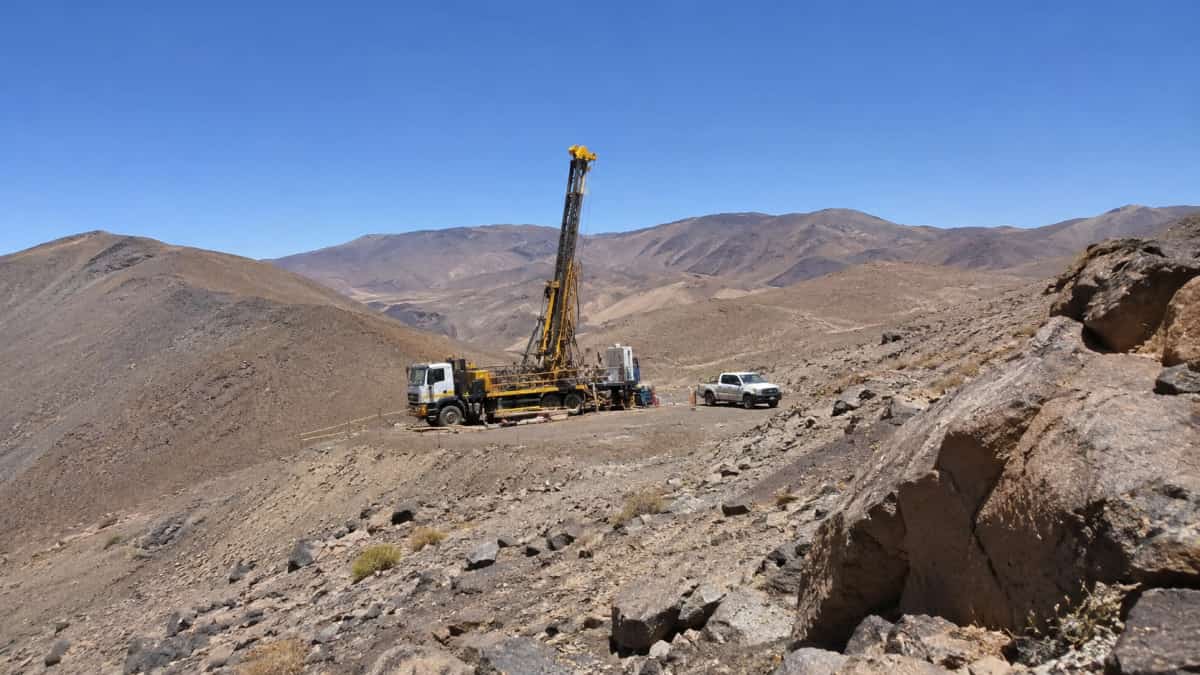
Chile’s 2026 copper hits span high grades and long intervals, but continuity is unproven
At Marimaca’s Pampa Medina, sulphide mantos recur across several holes, while other targets range from porphyry extensions to newly identified structures.