
Marimaca hits 102 metres at Pampa Medina as copper-silver continuity remains unproven
Near-surface oxides and deeper sulphides occur in the same exploration area, but their geometry and processing routes still need to be established.
Why it matters: Pampa Medina’s potential depends on whether deep, widely spaced copper-silver intercepts can be modelled as a continuous deposit.
102 metres at 1.00% copper — SPRD-21’s main interval, with 5.1 g/t silver.
8 metres at 3.21% copper — the higher-grade interval in SPRD-24, with 27.5 g/t silver.
About 150 metres — the distance between SPRD-21 and SPRD-18.
2027 — Marimaca’s target for a first mineral resource estimate at Pampa Medina.
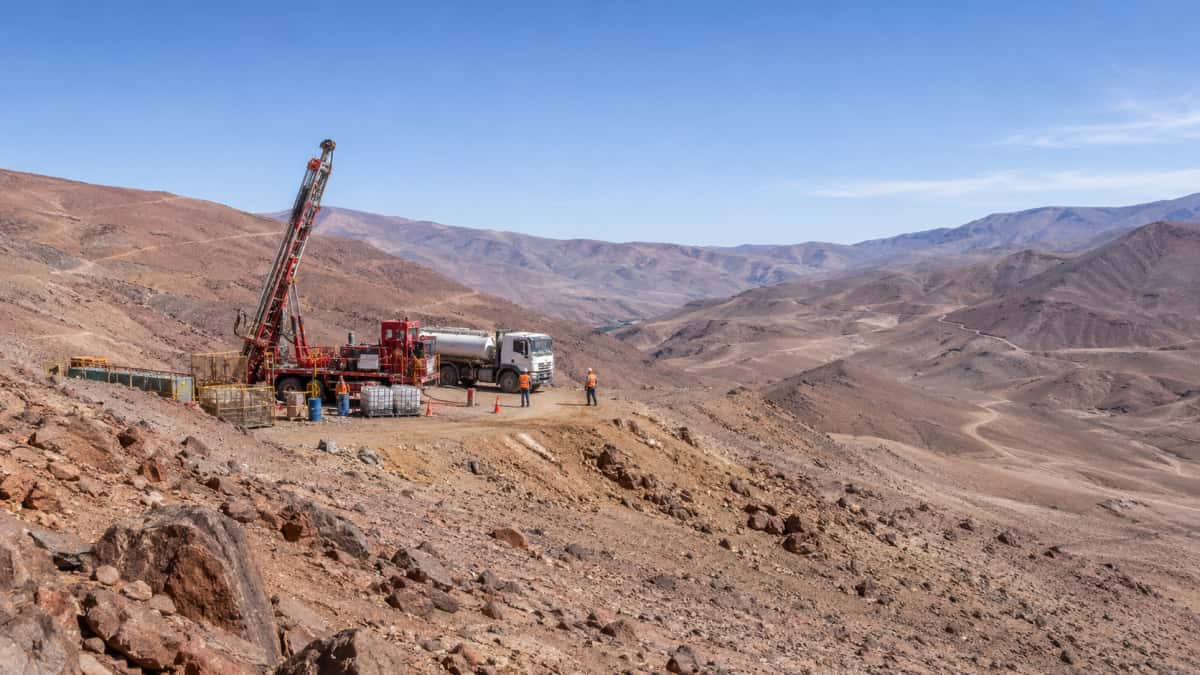
Marimaca Copper reported a 102-metre interval grading 1.00% copper and 5.1 g/t silver in hole SPRD-21 at Pampa Medina, in Chile’s Antofagasta Region. The interval begins at 706 metres down the hole. The November 19, 2026 results add higher-grade zones and further intersections as the company works to define the deposit’s central area.
Intercepts span several parts of the deposit
Within SPRD-21’s main interval, the company reported 72 metres at 1.24% copper and 6.8 g/t silver, including 14 metres at 1.80% copper and 10.4 g/t silver. About 150 metres to the north, SPRD-18 returned 68 metres at 1.13% copper and 8.7 g/t silver from 634 metres, including 22 metres at 2.07% copper and 10.0 g/t silver.
SPRD-24 recorded 18 metres at 1.69% copper and 13.3 g/t silver, including eight metres at 3.21% copper and 27.5 g/t silver. Other reported results include 34 metres at 1.36% copper and 6.6 g/t silver in SPRD-19, and 54 metres at 1.12% copper and 9.9 g/t silver in SPRD-25.
These are lengths measured along the drill holes, not true thicknesses. Marimaca estimates true widths at about 80% of the reported lengths. The distinction matters when interpreting the geometry and potential scale of the mineralized zones.
Oxides and sulphides bring different technical questions
Pampa Medina, about 28 kilometres east of Marimaca’s Marimaca Oxide Deposit, is hosted mainly in sedimentary units including sandstones, conglomerates, shales and tuffs. The system includes oxide mineralization closer to surface and copper sulphides at depth. Minerals identified include atacamite, chrysocolla, chalcocite, bornite and chalcopyrite.
The different mineralization types may require different processing approaches. Oxides may be amenable to leaching, while deeper sulphides could require concentration or another treatment route; their suitability has not yet been established. Silver occurs with copper in several reported intervals, but its potential contribution would depend on recoveries, costs and commercial conditions that remain to be assessed.
The 2026 programme has tested an area about three kilometres long by 1.5 kilometres wide, with central holes spaced roughly 150 metres apart. Marimaca also reported 84 metres at 0.62% copper and 3.2 g/t silver in SPRD-26, about 300 metres west of the historical oxide mineralization, including 46 metres at 1.06% copper and 6.0 g/t silver. Intrusive structures and faults may affect mineralization distribution and will need to be incorporated into the geological model.
Resource estimate remains a company target
Marimaca is targeting a first mineral resource estimate for Pampa Medina in 2027 and plans further drilling to test continuity north and west, including at the Pampa Norte and Sierra Norte targets. The estimate would require integration of drilling, geological continuity, density and mineralogical information.
Pampa Medina remains at the exploration stage: the reported intercepts do not establish a mineral resource, reserve or commercial viability. The depth and geometry of the mineralization, metallurgical recoveries and potential mining costs remain among the factors to evaluate as drilling continues.
More in Discoveries
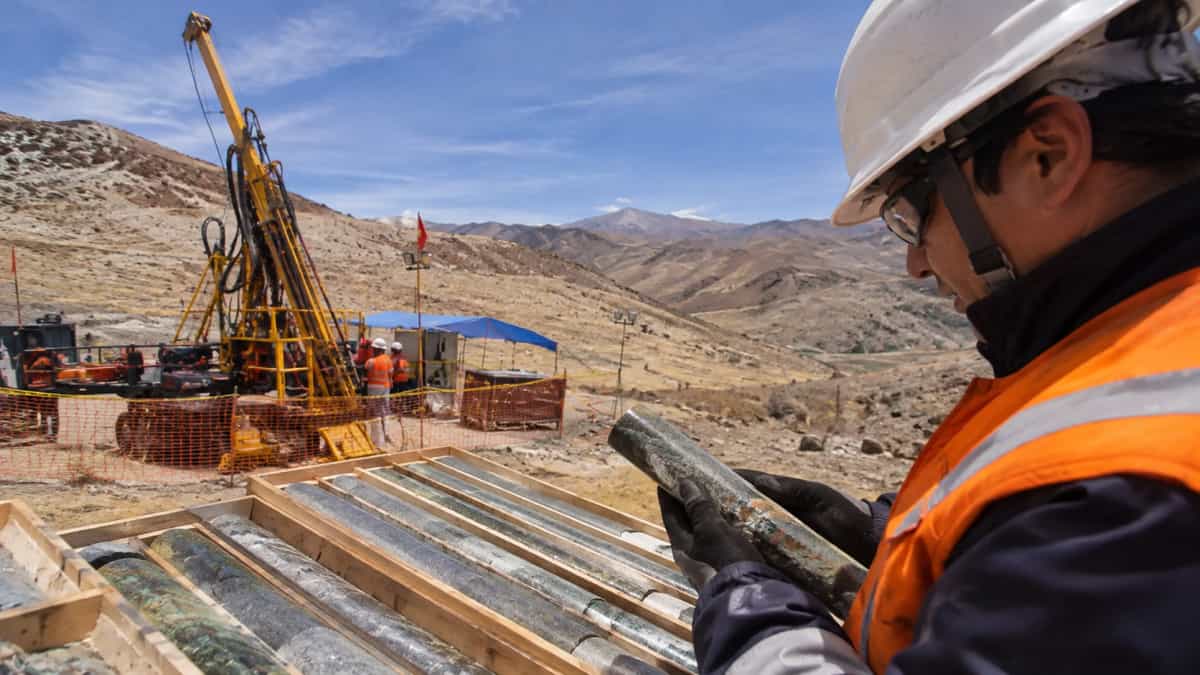
Solis Minerals' first Cucho hole logs copper-molybdenum sulphides, with assays pending
The 496.7-metre hole points to possible extensions east and at depth, but visual logging cannot establish grade or economic continuity.
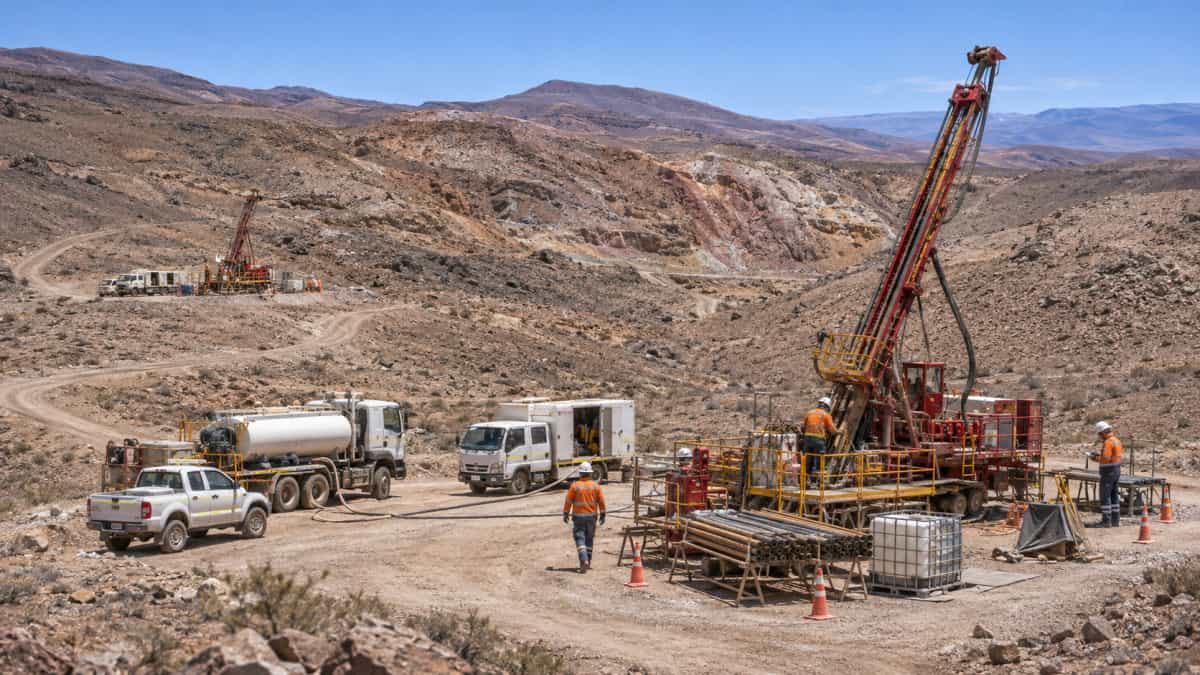
San Lorenzo Gold funds Salvadora expansion as Cerro Blanco assays remain pending
Two rigs are testing Cerro Blanco, where visible breccias still need chemical assays to establish their metal content.
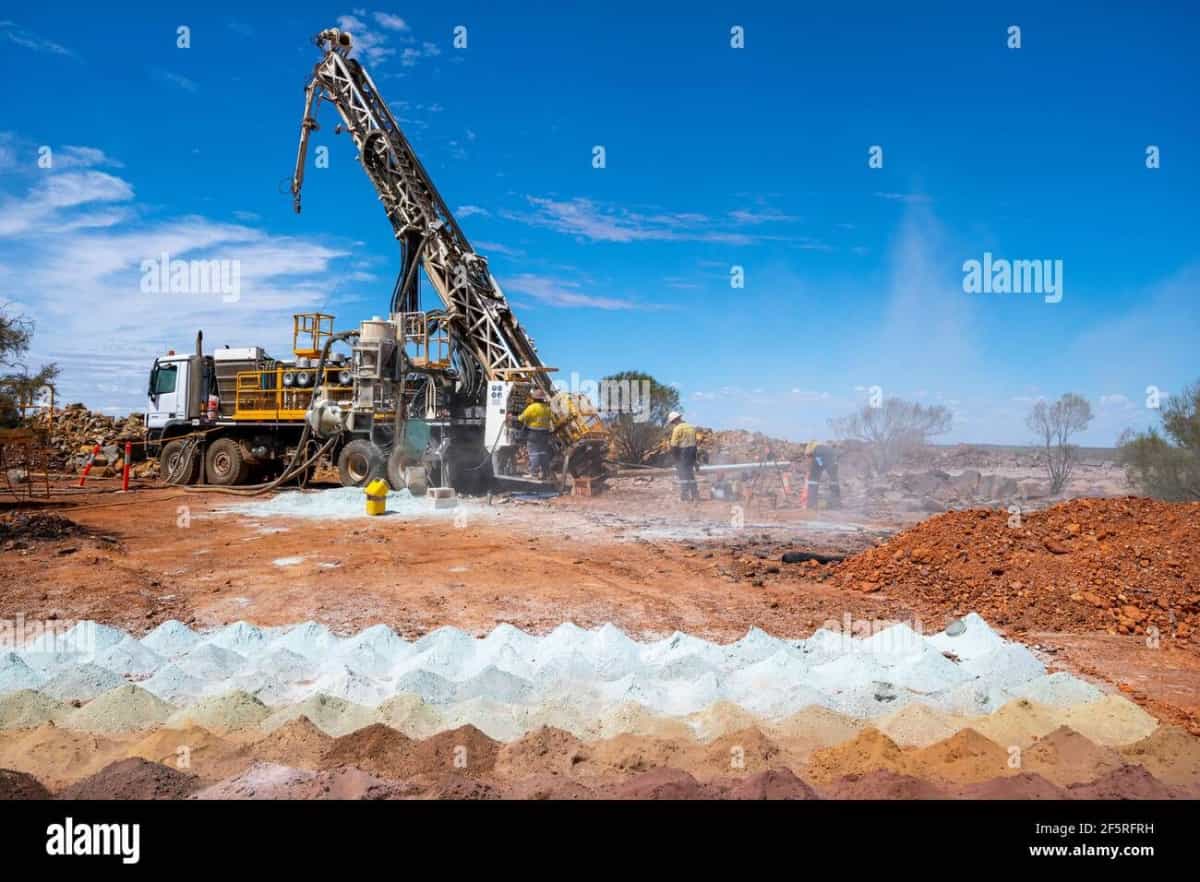
Kookynie gold drilling revives Leonora district, but deposit scale remains unproven
Three explorers are testing old workings and covered ground in a district known for high-grade veins.