
Danakali resets Deckard exploration as alluvial cover masks Western Australian targets
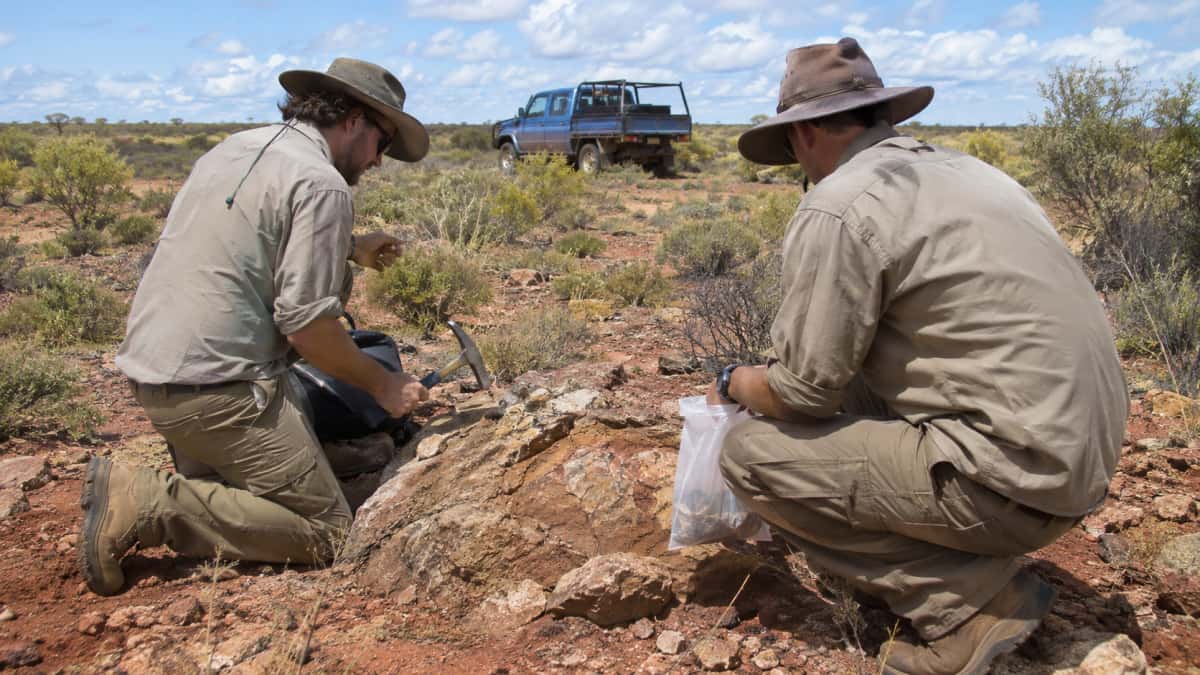
Thin alluvial cover makes the underlying geology difficult to inspect, leaving the first tests to assess interpreted targets rather than exposed mineralisation.
Why it matters: Danakali is prioritising untested ground with potential for several metals, but Deckard has no defined mineral resources or economic assessment.
May–June 2027 — planned aircore drilling window at Deckard.
90 kilometres — approximate distance from Deckard to Mount Magnet.
A$27.4 million — Danakali’s reported cash and liquid investment holdings at the end of the third quarter of 2026.
Danakali Limited plans to focus exploration at its Deckard project in Western Australia on sparsely explored parts of the Windimurra igneous complex, with aircore drilling scheduled for May and June 2027. The company said its review identified targets with potential for vanadium, titanium, nickel, copper, zinc, gold and platinum-group metals.
The revised approach also removes five tenements at the Narndee complex from the company’s portfolio. Danakali said historical geological information and airborne electromagnetic surveys did not identify sufficient prospectivity there to support further exploration spending.
Windimurra targets will be tested beneath cover
Deckard lies about 90 kilometres southeast of Mount Magnet and covers southern parts of the Windimurra complex, a layered mafic igneous formation. Danakali identified targets in tenements E59/3017 and E59/3019 associated with these intrusions, including areas with limited prior drilling.
A relatively thin layer of alluvial material makes the underlying rocks difficult to observe directly. Danakali plans to use aircore drilling to sample beneath the cover. The technique uses compressed air to recover samples and is commonly used in early-stage exploration to test broad areas at lower relative cost than diamond drilling.
Work on E59/3019 depends on the relevant exploration licence being granted. Before drilling begins, the company must also submit its work programme and complete a cultural heritage assessment for the areas to be disturbed.
The regional Windimurra vanadium deposit, about 50 kilometres north of Deckard, has an estimated resource of 210 million tonnes grading 0.50% V₂O₅. That estimate applies to the Windimurra deposit, not to Deckard; it provides regional context but does not establish a resource at Danakali’s project.
A separate copper-zinc-gold target remains at an earlier stage
Danakali is also investigating a possible volcanogenic massive sulphide system in tenement E59/3018. The company said geological features there are compatible with a VMS-style target, which can host copper, zinc, gold, silver and other metals.
The initial work is planned as ultrafine-fraction soil sampling in the first months of 2027. The method tests very fine soil particles for geochemical anomalies that could point to mineralisation concealed beneath surface material. Results will help the company decide whether the area merits inclusion in a later drilling campaign; no drilling commitment for this target was specified.
Deckard has no defined mineral resources or economic assessment. Danakali has not set a final drilling metreage, project-specific budget or timetable for a first resource estimate, leaving the continuity, geometry and metal concentrations of any mineralisation untested.
Narndee exits as Danakali concentrates its portfolio
On 27 October 2026, Danakali relinquished Narndee tenements E59/3011, E59/3012, E59/3013, E59/3020 and E59/3027. The company cited its review of historical sampling and airborne electromagnetic data, which found no anomalies it considered sufficient to justify continued exploration.
At the end of the third quarter of 2026, Danakali reported A$13.1 million in cash and A$14.3 million in liquid, investment-grade fixed-income instruments. The combined A$27.4 million represents the company’s overall financial position, not a budget allocated specifically to Deckard. The next project steps include completing regulatory and heritage requirements and carrying out the planned soil sampling and aircore work.
More in Discoveries
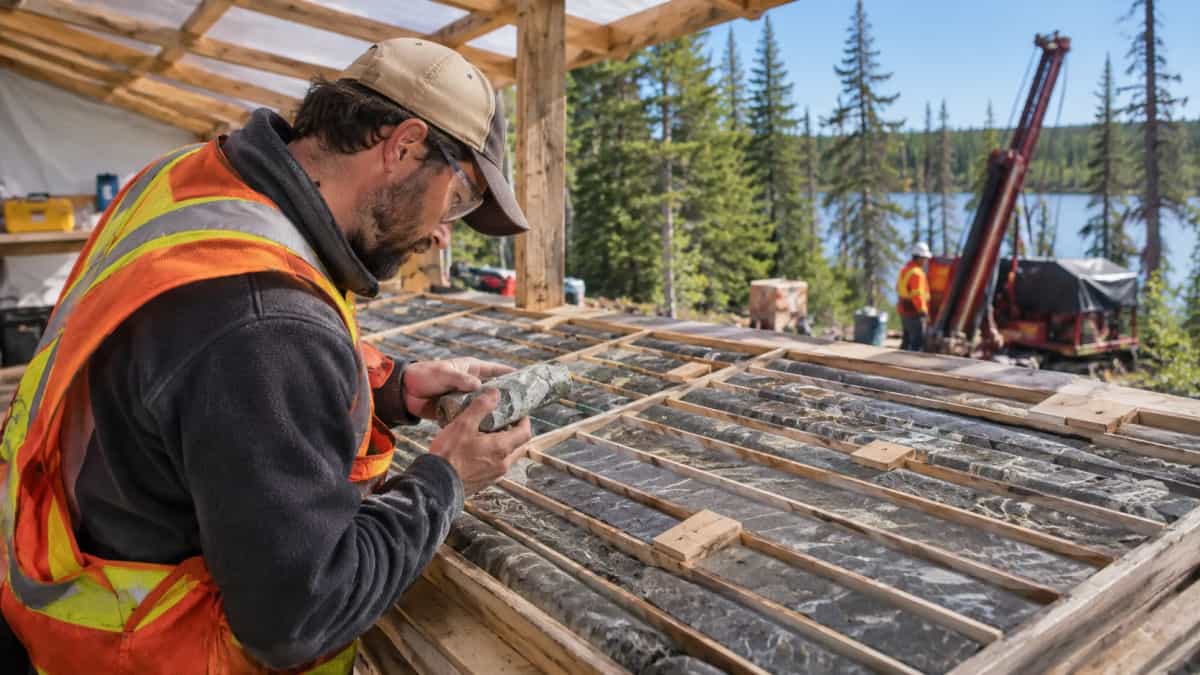
Trident tests whether Contact Lake gold extends below Saskatchewan mine
Cameco mined Contact Lake from 1994 to 1998; Trident is now testing ground beneath the old workings.
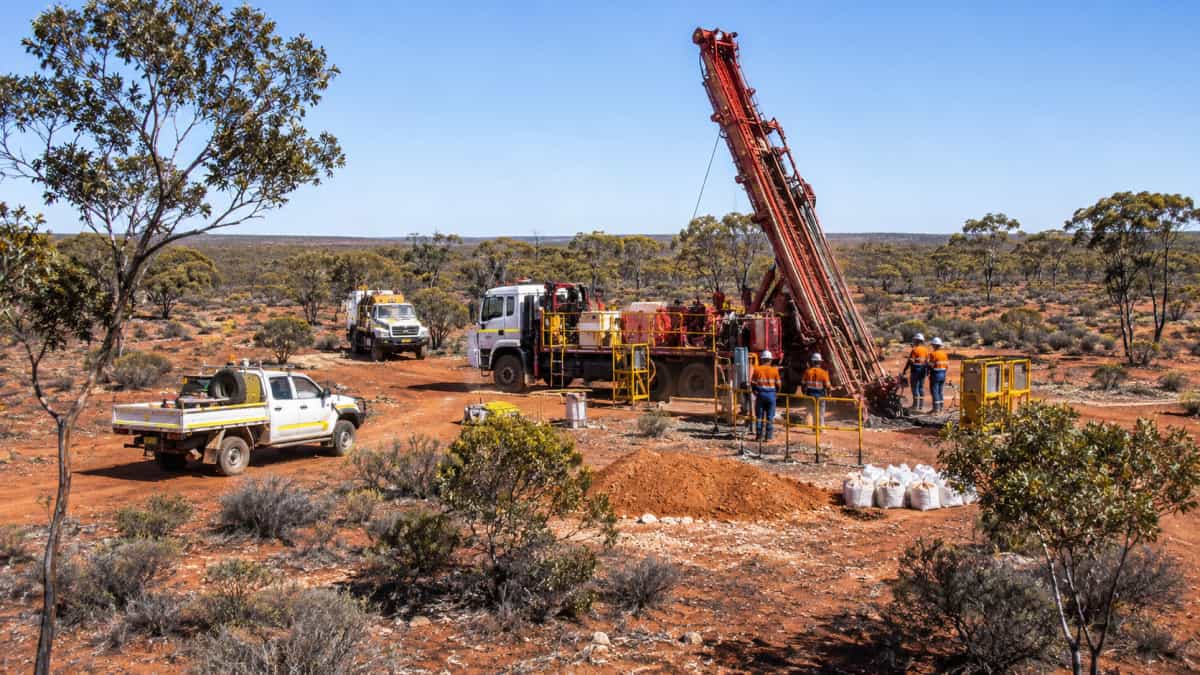
Kalgoorlie Gold finds volcanic rocks at Pinjin, but gold assays are pending
Lighthorse drilling targeted extensions beneath earlier high-grade hits, while Rebecca Sequence was tested for the first time beneath cover.
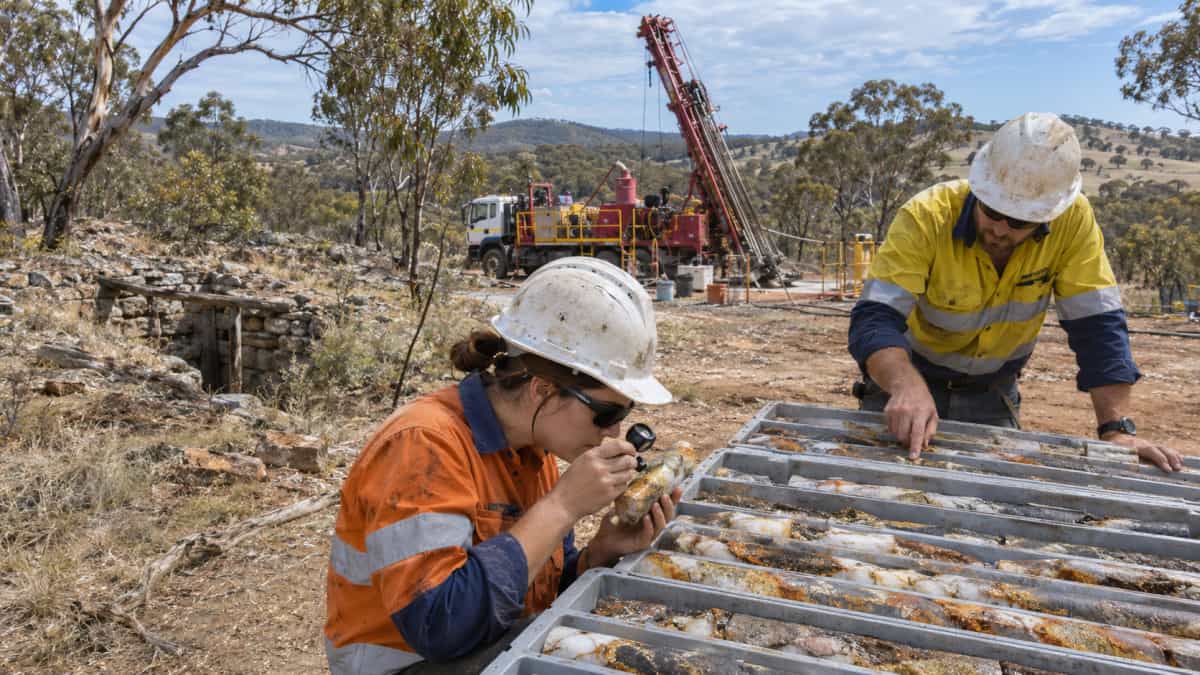
Argent Minerals finds gold beyond Trunkey Creek workings, but continuity is unproven
The first campaign has tested only the northern end of a 4.7-kilometre target, leaving the vein’s deeper geometry unresolved.