
Auravelle’s 700-metre Crown gold anomaly still needs a drill test
The target lies near historic workings in a project where earlier exploration was mostly shallow.
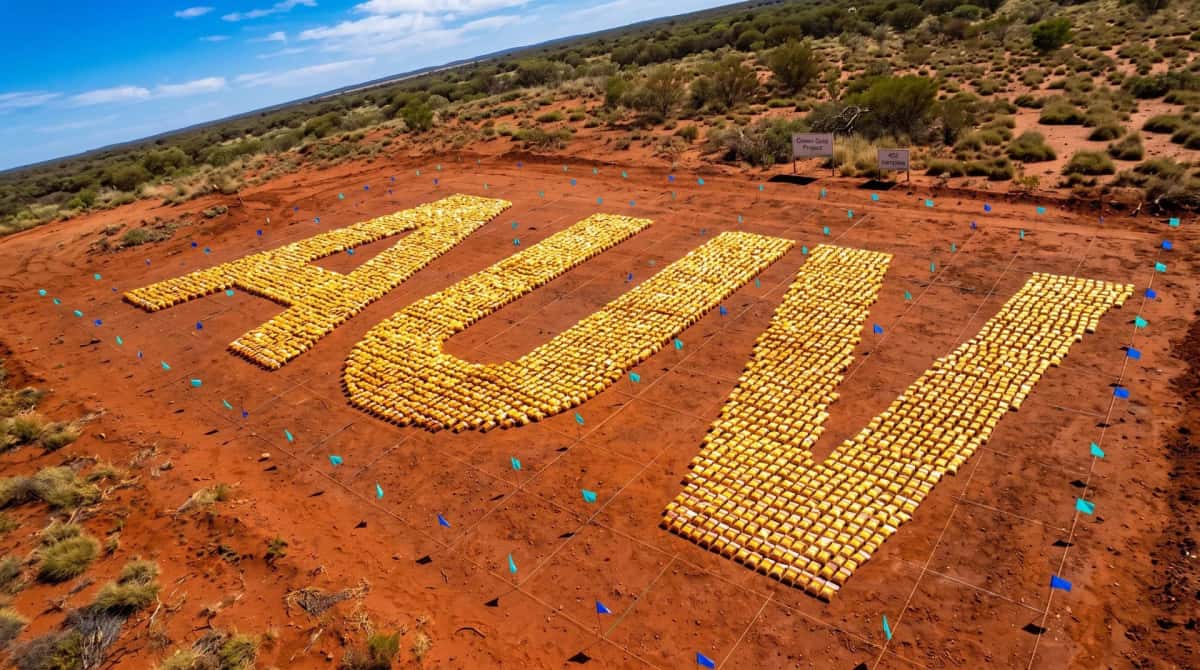
discoveryalert.com
Why it matters: The surface trend adds a potential target to Crown’s drill pipeline, but its significance beneath transported cover remains untested.
700 metres — approximate length of the soil anomaly
402 samples — collected in the initial survey
109.9 ppb — highest individual gold result; the median was 13.3 ppb
2027 — year Auravelle has prioritised the target for aircore drilling
Auravelle Metals has identified a 700-metre-long gold-in-soil anomaly at its Crown project near Kalgoorlie, Western Australia, and added it to targets it plans to test with aircore drilling in 2027. The surface results do not establish mineralisation at depth.
The anomaly appears across several sampling lines and broadly parallels interpreted regional structures. It is less than 1 kilometre from historic workings and less than 5 kilometres from Black Cat Syndicate’s Majestic Gold Centre, which Auravelle says has resources exceeding 500,000 ounces.
Continuity guided target selection
The anomaly emerged from an initial program of 402 samples analysed using ultrafine and multi-element methods. The sampling grid had 200-metre north-south spacing and 40-metre east-west spacing, and was designed to assess interpreted prospective structural trends.
Individual results reached 109.9 parts per billion (ppb) gold, against a median of 13.3 ppb. Auravelle prioritised the pattern’s continuity across multiple lines, rather than the highest individual result, in defining the target.
Interpreting soils at Crown is complicated in areas of transported cover, where displaced material can mask signals from underlying rock. Auravelle used regolith-mapping software to select areas considered more favourable for detecting anomalies. Shallow historical rotary air blast drilling in the same area also recorded anomalous gold values, but the company has not established how the new surface pattern relates to mineralisation at depth.
Crown’s existing targets add context
Auravelle owns 100% of Crown, which lies in the established Norseman-Wiluna greenstone belt. Earlier aircore drilling by the company outlined a north-south trend of anomalous gold extending at least 2 kilometres. The new 700-metre soil anomaly adds to that exploration history and is among the Crown targets prioritised for 2027 drilling.
Managing director Andrew Muir described the sampling as a way to expand the project’s target inventory. The company is also considering prospects on ground acquired from Orange Minerals during 2026, according to its update.
Drilling is under way at Nuckulla Hill
Auravelle’s current drilling activity is at its Nuckulla Hill gold project in South Australia, where a reverse-circulation campaign of more than 3,000 metres is under way. The program is designed for infill and extension drilling at Sheoak, with follow-up work at Myall, Sheoak North and Bimba.
The company is awaiting results from one-metre resampling of regional aircore holes and assays from the ongoing RC campaign. At Crown, the planned 2027 aircore drilling will test whether the surface anomaly persists beneath cover.
More in Discoveries
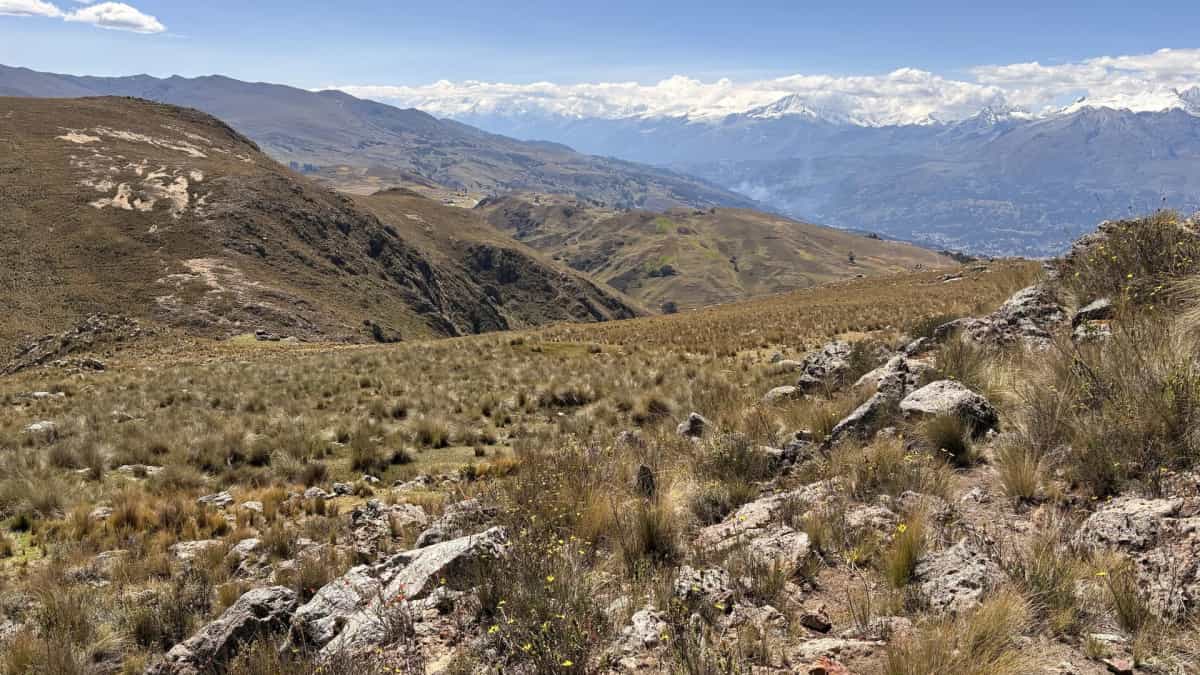
Forte secures access to Alto Ruri, but Peru drilling remains unpermitted
The gold system has a 2-by-1.5-kilometre alteration footprint, yet modern surface work has not tested it systematically.
Waratah Minerals hits high-grade gold at Goldenclad as deeper assays remain pending
The first Wollard’s Line test adds a separate target, but assays cover only the upper portions of two deep holes.
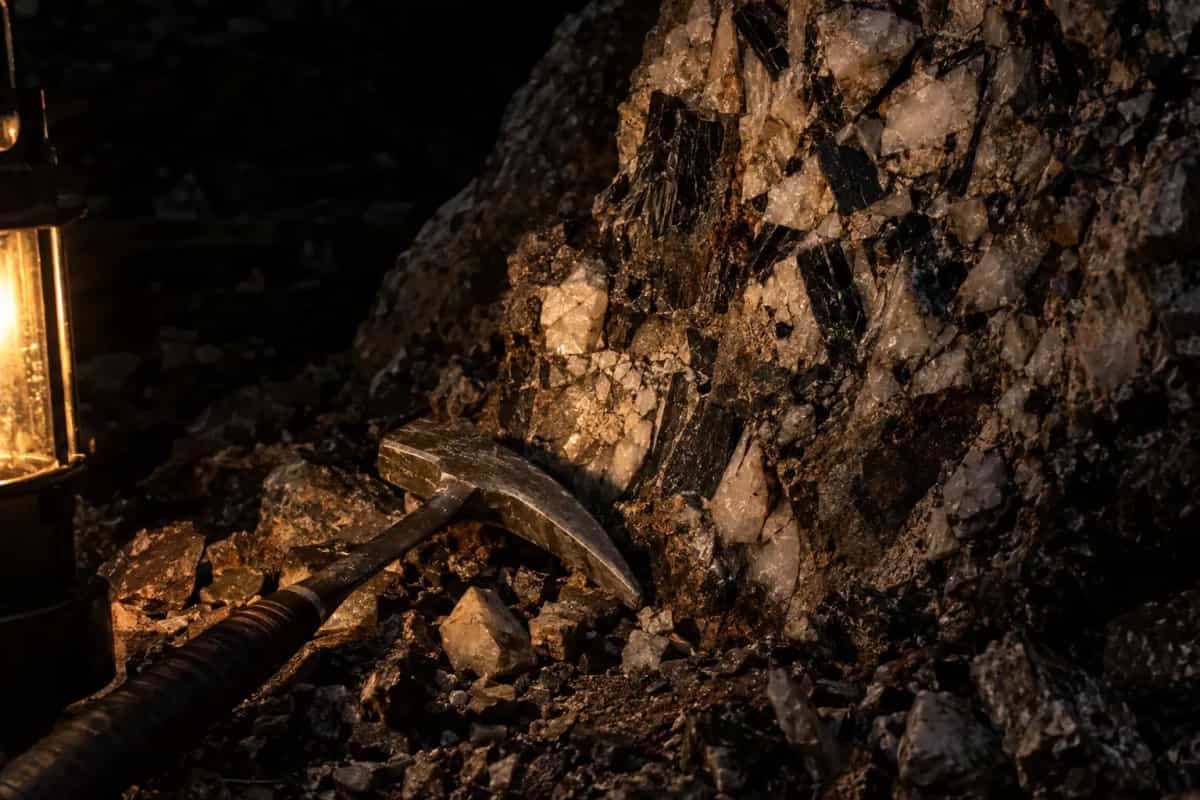
Pioneer Minerals’ San Francisco 3D model maps historic breccia, but needs verification
The main breccia carries the project’s drilling history, while other targets still need field assessment.