
Waratah Minerals hits high-grade gold at Goldenclad as deeper assays remain pending
The first Wollard’s Line test adds a separate target, but assays cover only the upper portions of two deep holes.
geomechanics.io
Why it matters: Goldenclad lies outside Spur’s current resource, so testing continuity at depth could expand a corridor that remains largely an exploration target.
10 metres at 12.18 g/t gold — GCD002, from 49 metres, including 1 metre at 40.20 g/t from 57 metres.
Three 7-metre intercepts — GCD003 returned grades of 2.58, 5.66 and 2.68 g/t gold.
3.08 million ounces — Spur’s current resource, including 820,000 ounces in the Indicated category.
More than 100,000 metres — drilling planned by Waratah over the 12 months following its 21 November funding announcement.
Waratah Minerals has reported high-grade gold intercepts at Goldenclad, part of its Spur project in New South Wales, Australia. The standout result is 10 metres at 12.18 g/t gold in hole GCD002 from 49 metres, including a 1-metre interval grading 40.20 g/t from 57 metres. The hole represents the first drill test of Wollard’s Line, a separate mineralised trend at Goldenclad.
The results are partial. GCD002 has reached 628 metres, but assays reported so far cover its first 270 metres. GCD003 is 704 metres deep, with results available for the first 155.3 metres. The company is continuing both holes and has yet to report assays from their deeper sections.
GCD003 returns three intervals at Goldenclad Line
At Goldenclad Line, GCD003 returned 7 metres at 2.58 g/t gold from 51 metres, 7 metres at 5.66 g/t from 85 metres, and 7 metres at 2.68 g/t from 137 metres. The company said the higher-grade zones are associated with hydrothermal breccias containing quartz, pyrite and chalcopyrite, hosted in altered basaltic andesite.
Those observations describe the reported intervals, but the partial assays do not establish continuity between them. Waratah plans to extend GCD002 beyond 700 metres and take GCD003 to at least 800 metres. Final assays are expected around three weeks after drilling is completed, the company said.
Goldenclad sits outside Spur’s current resource
The drilling is testing a priority target extending for 6 kilometres beneath historical gold workings along the margin of the Cargo Intrusive Complex. Waratah’s exploration model interprets a broader corridor connecting Ironclad, Goldenclad, Spur and Consols, with multiple gold-bearing veins potentially occurring within a larger mineralised system. That interpretation remains to be tested through drilling.
Goldenclad is outside Spur’s current 3.08-million-ounce resource, which includes 820,000 ounces in the Indicated category. The resource covers about 2 kilometres of the company’s interpreted 6-kilometre Spur gold corridor; the remaining length is an exploration target, not a defined mineral inventory.
Waratah has outlined about 50,000 metres of drilling over six months and said it is targeting a future resource update approaching 5 million ounces. On 21 November 2026, it announced firm commitments for A$50 million to accelerate work at Spur, with a plan for more than 100,000 metres of drilling over the following 12 months. The next tests at Goldenclad are the deeper intervals in GCD002 and GCD003, along with whether further drilling can establish the extent and continuity of Wollard’s Line.
More in Discoveries
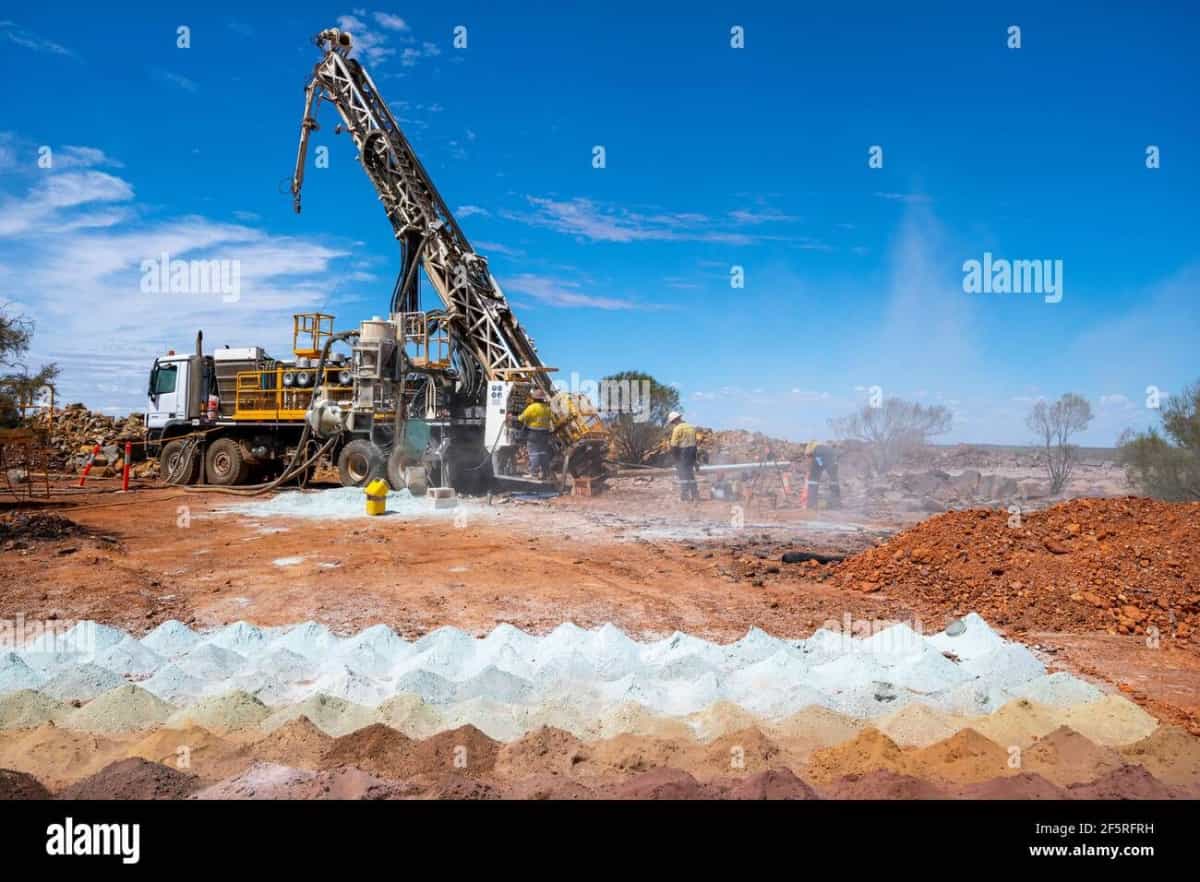
Kookynie gold drilling revives Leonora district, but deposit scale remains unproven
Three explorers are testing old workings and covered ground in a district known for high-grade veins.
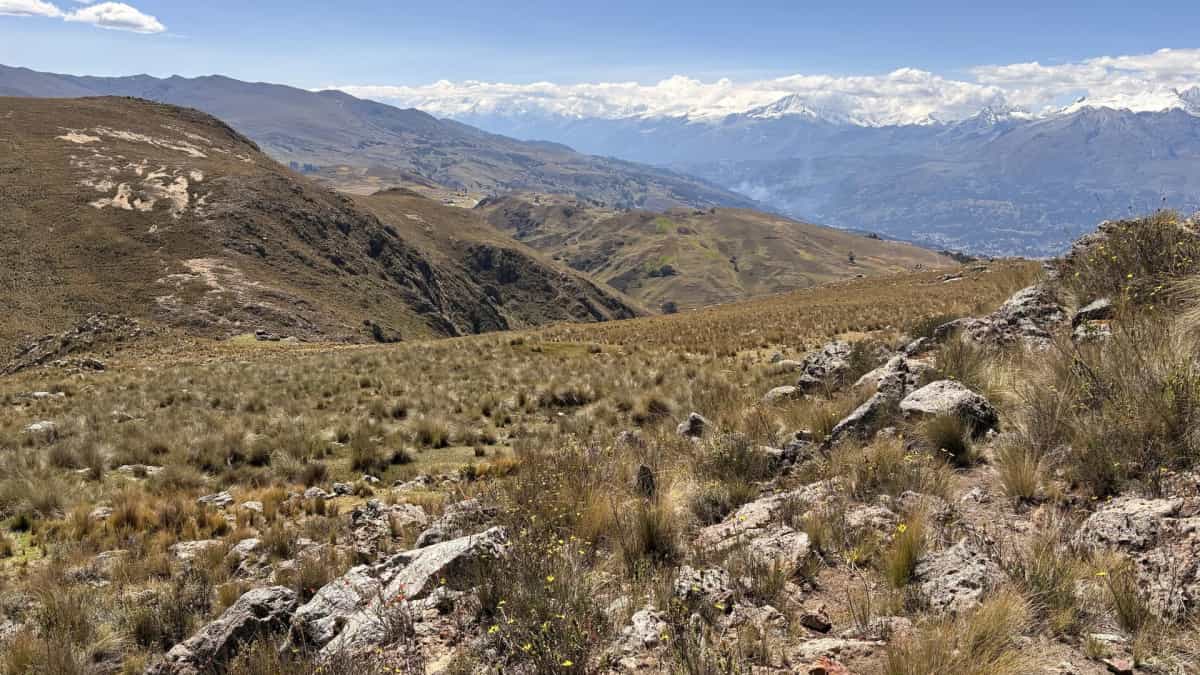
Forte secures access to Alto Ruri, but Peru drilling remains unpermitted
The gold system has a 2-by-1.5-kilometre alteration footprint, yet modern surface work has not tested it systematically.
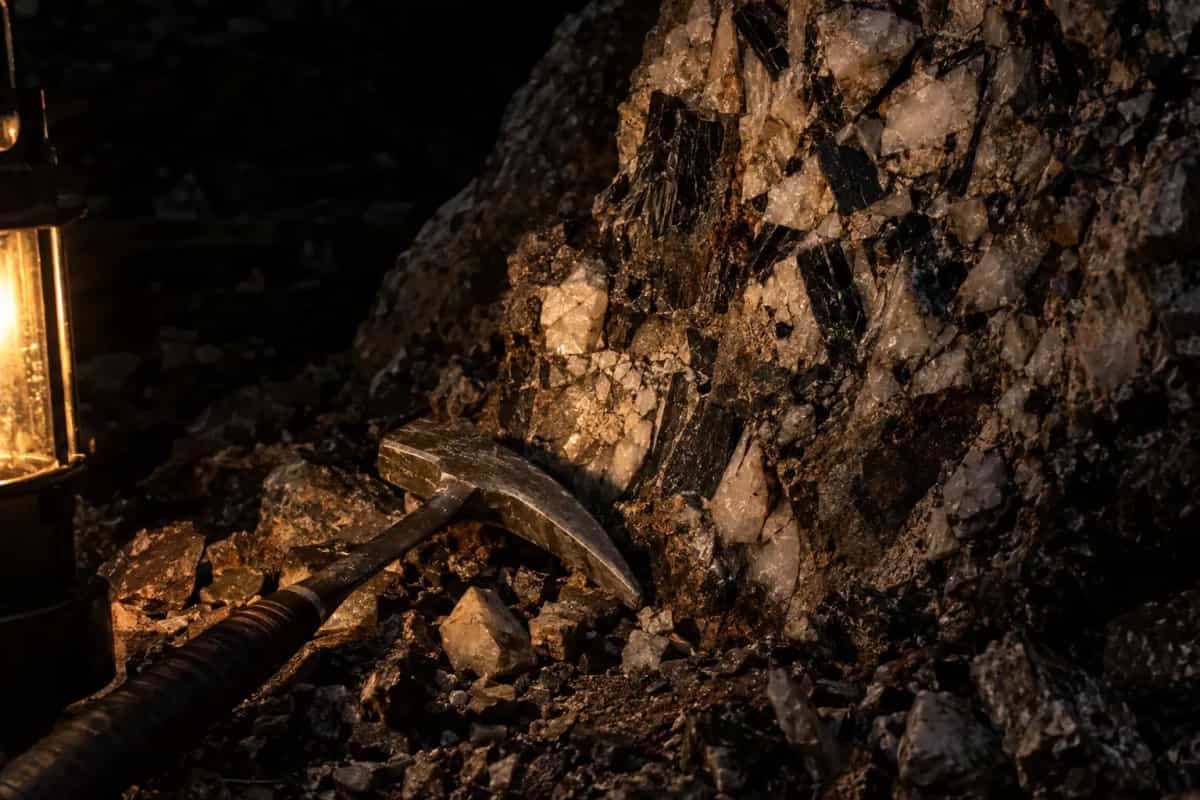
Pioneer Minerals’ San Francisco 3D model maps historic breccia, but needs verification
The main breccia carries the project’s drilling history, while other targets still need field assessment.