
Western Australia gives WA1’s Luni niobium project strategic status, but permits remain
A state-backed coordination channel arrives as WA1 weighs how to finance a project that still needs detailed studies and permits.
Why it matters: Luni could add a new Australian source of niobium, but the state designation coordinates approvals rather than granting permission to build or operate.
A$1.069 billion — pre-production investment, including contingencies, in the prefeasibility study
20.3 million tonnes at 2.75% Nb₂O₅ — probable mineral reserve
Approximately 17 years — initial mine life outlined in the study
A$1.7 billion — estimated after-tax NPV at an 8% discount rate
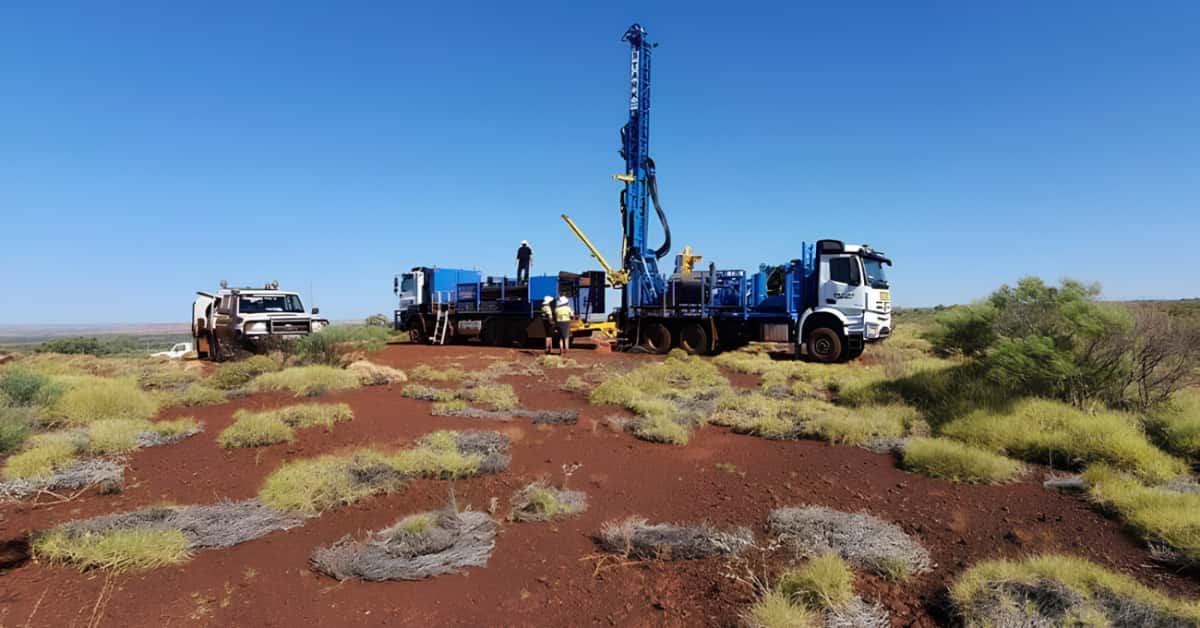
WA1 Resources’ Luni niobium project in Western Australia has been designated a Strategic Project by the state government, giving it three years of coordinated agency support as it advances through permitting and further studies. The status does not approve construction or mine operations.
State Development Minister David Michael granted the designation through Western Australia’s Lead Agency Framework. Under the arrangement, the Department of Energy and Economic Diversification will provide project-specific coordination across government agencies and assistance with authorization processes. WA1 reported the decision on November 23, 2026.
State support follows the prefeasibility study
The designation comes days after WA1 presented a prefeasibility study on November 18. The proposed open-pit operation in the West Arunta region would produce niobium concentrate, with a separate facility planned in Whyalla, South Australia, to refine and convert material into ferroniobium.
The study allocates about A$770 million to the mine, concentrator and associated infrastructure, and A$299 million to the Whyalla processing facility. It outlines annual production of approximately 20,000 tonnes of ferroniobium, an alloy used mainly to improve the mechanical properties of steel.
The prefeasibility case estimates an after-tax internal rate of return of 25% alongside the A$1.7 billion NPV, using an 8% discount rate. These are study estimates, not a final investment decision. The company is assessing development and financing alternatives, while detailed technical work and approvals remain ahead.
Luni’s role in niobium supply
Niobium is used in high-strength steels and specialty alloys for applications including infrastructure, transport, energy and aerospace. WA1 says the project could make Australia the world’s second-largest primary niobium producer, in a market where supply is highly concentrated.
Luni also received Major Project status from the Australian federal government in November 2025, reflecting its potential contribution to critical-mineral supply and regional economic activity. The state designation adds a channel for coordinating government processes; it does not replace the permits required to develop the mine and processing facilities.
WA1 chief executive Paul Savich said the recognition came as the company evaluates development and financing options following completion of the prefeasibility study. The next steps are to progress permits, undertake more detailed technical studies and arrange financing before any potential investment decision.
More in Critical Minerals
China’s electric truck boom adds lithium demand as mine supply returns
Heavy-duty models carry larger battery packs, while previously idled operations are restarting across the lithium supply chain.
Prairie Lithium brings first brine to surface in Saskatchewan, with processing still ahead
The project’s first phase hinges on integrating a four-column DLE unit with the well and site infrastructure.
DR Congo’s cobalt export halt returns as quotas fail to arrest price slide
The 2026–27 export cap had not stopped prices falling as weaker consumption and rising inventories kept supply ahead of demand.