
Tianqi Lithium’s Sichuan deal adds Shaotangou, but assumed debt lifts the cost
The deposit is close to Tianqi’s Cuola mine, but the potential infrastructure savings have not been quantified.
pandaperspectives.substack.com
Why it matters: The transaction would give Tianqi full ownership of a Sichuan lithium deposit, while its resource classification and development requirements remain undisclosed.
7.79 billion yuan — total consideration, including assumed debt
6.87 billion yuan — stated purchase price
757,700 tonnes — reported lithium oxide resources at Shaotangou, averaging 1.14% grade
1.2 million tonnes a year — reported mining capacity
Tianqi Lithium said on November 24 that a subsidiary would acquire stakes in Runfeng Mining and Tianqi Xingyu, along with a lithium exploration right. Once the transaction is complete, Tianqi would own 100% of both companies. The total consideration is 7.79 billion yuan, 920 million yuan above the 6.87 billion yuan purchase price because it includes debt assumed.
Shaotangou holds the transaction’s main resource
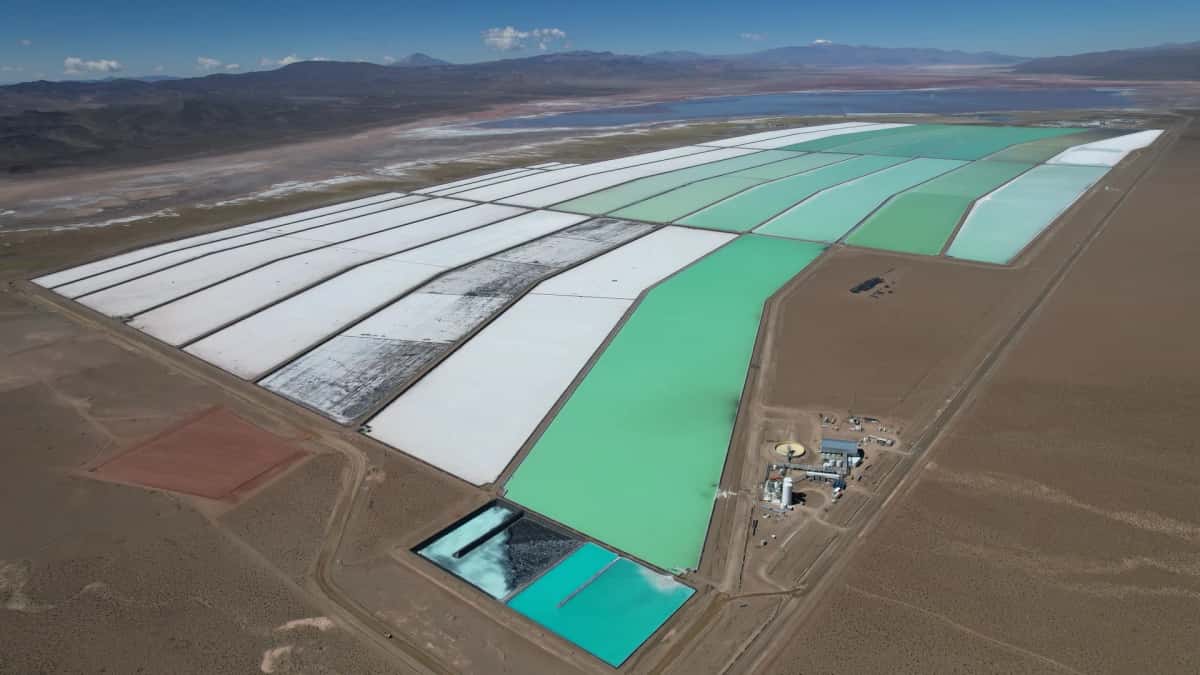
The central asset is the Shaotangou lithium mine in Yajiang County, Sichuan province. It is described as the second-largest resource base in the Jiajika mining area. The reported resource is 757,700 tonnes of lithium oxide at an average grade of 1.14%.
The available figures do not identify the resource classification, estimation method or assessment date. They therefore do not establish how much of the reported resource could be converted into mineable reserves or production. The stated annual capacity of 1.2 million tonnes refers to mining capacity, not lithium output or processed product.
No development stage, commissioning schedule or investment requirement was provided. Those details will be needed to assess how the resource and capacity figures translate into a producing operation.
Cuola proximity may offer infrastructure options
Shaotangou is near Cuola, an asset Tianqi already owns. The company’s transaction materials say the proximity could allow infrastructure to be shared and development costs reduced, but do not specify which facilities might be used jointly or quantify potential savings.
Tianqi said the acquisition would expand its controlled lithium resources and strengthen upstream supply security. The extent of those benefits will depend on integration and development of the assets. The company did not provide a date for completing the transaction.
More in Critical Minerals
Steenkampskraal tests French rare-earth process before deciding on integration
The non-binding agreement starts with laboratory work; an on-site pilot and feasibility study depend on how the ore performs.
Brazil’s critical-minerals drive faces a bottleneck at mining regulator ANM
The agency would administer mining rights and oversee operations as Brazil develops its critical-minerals policy.

Serbia's Jadar lithium project remains paused as EU keeps strategic link
A new Serbian parliamentary majority inherits scrutiny of mining permits, alleged exploration damage and the country's partnership with Brussels.