
Serbia's Jadar lithium project remains paused as EU keeps strategic link
A new Serbian parliamentary majority inherits scrutiny of mining permits, alleged exploration damage and the country's partnership with Brussels.
vreme.com
Why it matters: Jadar puts the EU's effort to secure battery materials in direct tension with local opposition and questions over environmental oversight.
More than five years — the period in which the company has not advanced the project through field work, according to local activist Nebojša Petković.
19 July 2025 — the date the European Commission and Serbia signed a strategic partnership on raw materials, batteries and electric vehicles.
8.3% — Rio Tinto's year-to-date share-price decline on the NYSE as of 24 November 2026.
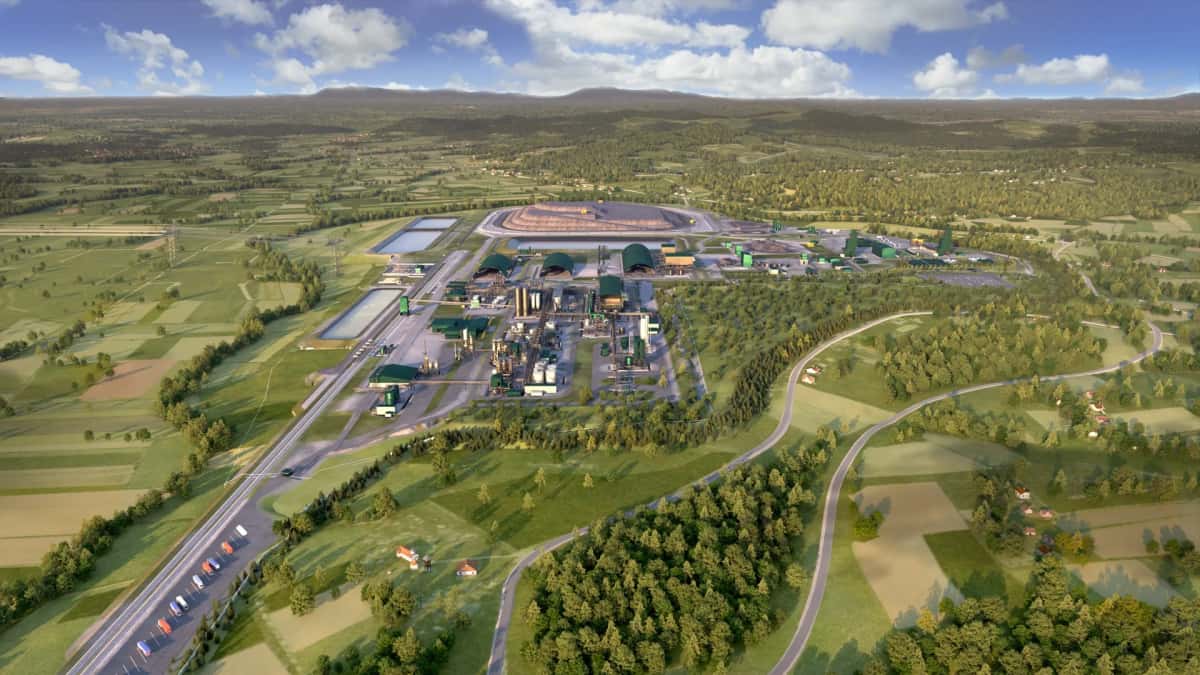
Rio Tinto's Jadar lithium project in western Serbia remains paused, with exploration sites closed and rehabilitated, even as the European Union maintains its strategic relationship with the company and Serbia. The project has not entered mine construction or operation; Rio Tinto describes its current status as care and maintenance.
The European Commission designated Jadar a strategic project under the EU Critical Raw Materials Act, approved in June 2025. That status does not mean work has resumed. Petković, a member of the Ne damo Jadar (“We will not abandon Jadar”) group, says the company has done no field work to advance the project for more than five years, apart from maintaining exploration wells.
EU designation has not restarted field work
The EU-Serbia partnership signed on 19 July 2025 covers sustainable raw materials, battery value chains and electric vehicles. Lithium is among the inputs sought for the energy transition, alongside nickel, cobalt, copper and rare earths. The Commission says it remains in contact with Rio Tinto to monitor Jadar and that the parties are working to implement the partnership.
Local opposition, which intensified during the summer of 2025, reflects concern not only about the mine but also about the EU's role in advancing critical-mineral projects. Frauke Seebass, a researcher at the Hellenic Foundation for European and Foreign Policy (ELIAMEP), has pointed to gaps in enforcement, political will and community participation. In her assessment, environmental rules alone are insufficient without effective oversight.
Petković says campaigners have faced job losses, detention, threats and discrediting in media. Those are his accounts of the costs of mobilization. Seebass has also cited mining at Bor in Serbia and chromium extraction in Albania as cases where she believes local communities bear costs that outweigh their economic benefits. In Vareš, Bosnia and Herzegovina, she says residents have struggled to obtain information about pollution levels associated with a mining project.
Election result puts scrutiny on permits and alleged damage
Serbia's 25 October parliamentary election ended 14 years of rule by the Serbian Progressive Party under Aleksandar Vučić. The Student List, described in the material as an anti-corruption grassroots movement, won an absolute majority; its candidates included agricultural activist Zlatko Kokanović, who is linked to Ne damo Jadar.
Petković wants the incoming government to review Jadar's permits, investigate alleged irregularities and assess damage attributed to exploration. He has also called for authorities to trace financial flows and prosecute anyone found responsible for pollution or fraud. These are demands from the activist, not findings of an official investigation.
The dispute extends beyond Serbia. Reports by the Berlin-based Friedrich Ebert Foundation have raised concerns about transparency and communities being excluded from decisions affecting land, water and livelihoods. The European Court of Auditors has also noted low governance scores in Serbia in its review of critical raw-material mining. Rio Tinto's project remains in care and maintenance, while the Commission continues contact with the company and the new Serbian political majority faces calls to review the project.
More in Critical Minerals
Australian miners target US antimony processing, but supply links remain uneven
Idaho, Alaska and Nevada projects span drilling, pilot plants and a purchased refinery, but each is at a different point on the route to metal.
Germany's proposed minerals trader has a 2027 blueprint target, not an operating date
BMW and Rheinmetall support pooled purchasing, while the vehicle's legal and commercial design remains unsettled.

Thailand seeks six-month halt to Shan mines as arsenic reaches border rivers
Bangkok is also weighing controls on mining chemicals that move through Thai trade routes into Myanmar.