
Australian miners target US antimony processing, but supply links remain uneven
Idaho, Alaska and Nevada projects span drilling, pilot plants and a purchased refinery, but each is at a different point on the route to metal.
mugglehead.com
Why it matters: China’s influence over antimony and tungsten supply has made US processing capacity a strategic goal, but the projects described are at different stages of development.
12,236 metres — Resolution Minerals’ completed drilling at Golden Gate, Idaho, ahead of a planned resource estimate.
600 tonnes per year — Nova Minerals’ proposed initial pilot-plant capacity in Alaska.
18,500 tonnes per year — Del Sol refinery’s authorised annual feed capacity in Nevada, following its acquisition by AT4.
Australian-listed Resolution Minerals, Nova Minerals, Felix Gold and American Tungsten & Antimony (AT4) are advancing antimony or tungsten extraction and processing projects in the United States. Their plans range from exploration and pilot work to an acquired refinery, but the projects do not yet form a complete commercial supply chain.
The companies are seeking to connect domestic mine feed with US processing and, in some cases, refined products. The strategic rationale is to reduce exposure to Chinese supply and export restrictions. Resolution’s US operations chief, Craig Lindsay, said bipartisan backing for reducing that dependence makes it a national-security issue regardless of which party controls Congress.
Resolution links Idaho drilling with a proposed processing hub
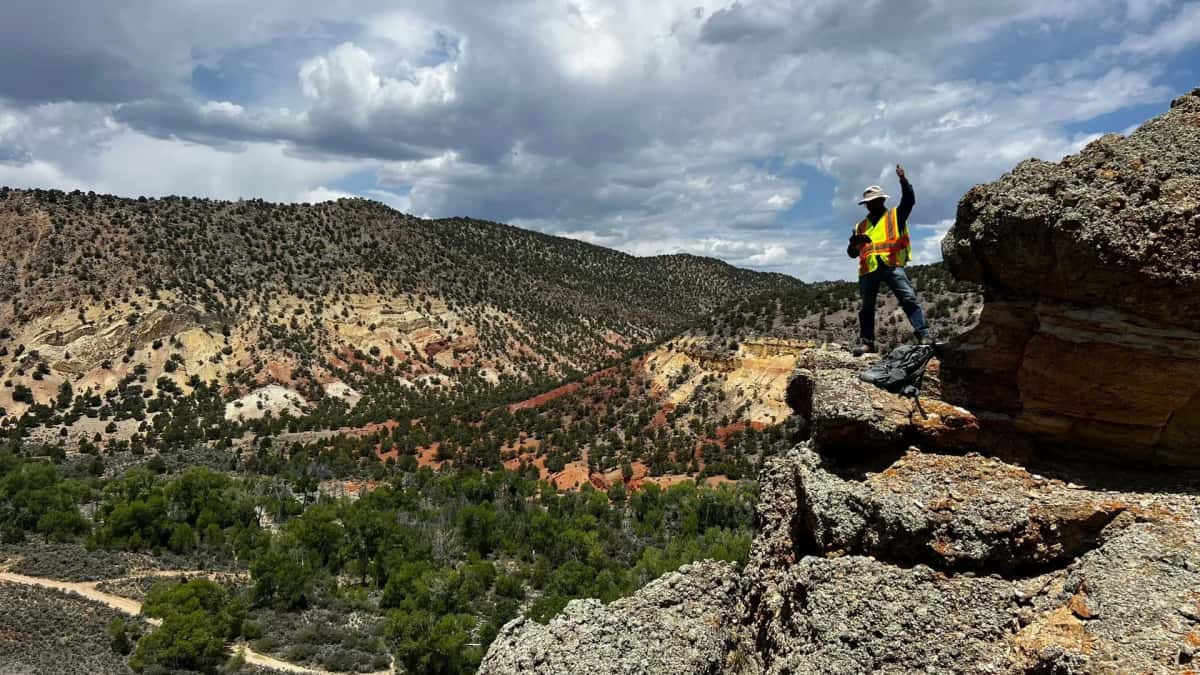
Resolution is pursuing tungsten at Golden Gate and antimony at Antimony Ridge, within its Horse Heaven project in Idaho. Both have FAST-41 status, a federal programme that provides permitting coordination and transparency for projects considered strategic. The properties are also next to Perpetua Resources’ Stibnite gold and antimony development.
Resolution completed 12,236 metres of drilling at Golden Gate and expected about 30 laboratory results. It plans to compile the data before publishing a mineral resource estimate in the first quarter of 2027; no resource has yet been declared. Historical grades at the former Golden Gate tungsten mine were reported at 1.5% to 2% WO₃. The company also identified historical material at Johnson Creek mill and the mine portal: about 2,000 tonnes grading 1.5% to 2% WO₃ and 4,000 tonnes grading 0.5% to 3%, respectively.
The company plans to begin processing tests for customers in 2027, not commercial production. It has acquired the Johnson Creek mill and says tests have produced antimony trioxide and tungsten concentrate. Resolution is proposing a central Idaho plant to process its own material and third-party feed, with road, rail, power and water access described by Lindsay. No capacity figure was provided for the proposed facility.
Resolution has hired metallurgist Adam Roper and is developing a hydrometallurgical route. Lindsay said the company expects it to have lower capital and operating costs and a smaller environmental footprint than pyrometallurgical alternatives. Those are company expectations, not demonstrated results from an industrial operation. The cited tungsten price outside China rose from less than US$300/mtu early last year to US$2,400/mtu, with a June peak of US$3,100/mtu.
Alaska plans combine proposed plants with mine development
Nova received a US$43.4 million US Department of War grant to develop an antimony plant at Port MacKenzie, Alaska. An engineering assessment cited by the company puts a potential larger facility at 216,000 tonnes of feed a year and about 20,000 tonnes of refined antimony. Its proposed first phase is a pilot plant of up to 600 tonnes a year, producing antimony trisulfide and metal with purity above 99.65%.
Potential feed could come from Nova’s Estelle project, which contains a reported 9.9 million ounces of gold resources and high-grade antimony near surface. Nova is also considering third-party feed and other metals. The company said it expected pilot production of antimony trisulfide in 2027. Expansion would require additional refining equipment.
Felix Gold is developing Treasure Creek near Fairbanks, including the historic Scrafford antimony mine. It has filed a state mining-permit application and was selected to negotiate up to US$18 million in Department of Energy funding for a pilot plant. Its targets are to begin mining in June 2027 and produce antimony metal in the first half of 2028. Felix said it produced antimony ingots from its own ore in August using the process intended for its US subsidiary.
AT4 adds Nevada refining capacity to its project portfolio
AT4 completed its acquisition of the Del Sol refinery in Nevada, which is authorised to process up to 18,500 tonnes of feed annually. The company aims to produce antimony products and add an ammonium paratungstate circuit for tungsten consumers. The first stage is planned at 100 tonnes a year; a conceptual study by Metso considers a 2,500-tonne initial design with a possible modular expansion to 5,000 tonnes.
AT4 also reported producing antimony ingots above 99.65% purity from ore at its White Spar project in Arizona. In November, it began a 3,000-metre diamond-drilling programme at Tennessee Mountain, Nevada, and also holds the Dutch Mountain tungsten and Antimony Canyon projects in Utah. These project advances are separate from the acquired refinery and do not establish that each asset is producing.
The last commercial US tungsten mine closed in 2015, leaving the country reliant on external supply. For the companies pursuing new domestic capacity, the next steps include completing resource and permitting work, testing processing routes and securing suitable feed for proposed facilities.
More in Critical Minerals
Serbia's Jadar lithium project remains paused as EU keeps strategic link
A new Serbian parliamentary majority inherits scrutiny of mining permits, alleged exploration damage and the country's partnership with Brussels.
Germany's proposed minerals trader has a 2027 blueprint target, not an operating date
BMW and Rheinmetall support pooled purchasing, while the vehicle's legal and commercial design remains unsettled.

Thailand seeks six-month halt to Shan mines as arsenic reaches border rivers
Bangkok is also weighing controls on mining chemicals that move through Thai trade routes into Myanmar.