
Thailand seeks six-month halt to Shan mines as arsenic reaches border rivers
Bangkok is also weighing controls on mining chemicals that move through Thai trade routes into Myanmar.

independentespanol.com
Why it matters: The dispute puts rare-earth supply routes and downstream water security in direct conflict across the Thailand-Myanmar border.
Up to 30 times — the Thai safety standard reached by reported arsenic concentrations.
70% to 80% — the share of mining chemicals under review that Thailand's National Security Council says are sent to Myanmar.
Eight stations and about 20 checkpoints — monitoring infrastructure Thailand says it plans for the affected rivers and tributaries.
Thailand has asked China to help secure a mining suspension of at least six months in Myanmar's Shan State after officials from Thailand, China and Myanmar linked mining there to arsenic found in the Kok and Sai rivers. The waterways serve communities and farmers downstream, and Thai officials said reported concentrations reached as high as 30 times Thailand's safety standard.
The request was raised in trilateral talks on Tuesday, according to Thai Foreign Minister Sihasak Phuangketkeow and Science and Research Minister Yodchanan Wongsawat. The ministers said representatives from all three countries agreed that mining in Shan was the source of the arsenic.
Thailand seeks mine identification and mineral tracing
Bangkok asked Beijing to help identify the operations and trace the minerals they produce. Sihasak said China acknowledged that privately owned Chinese companies operate mines in the area. Yodchanan said much of the rare earths produced is sent to China, giving Chinese authorities a potential route to check whether material entering supply chains comes from regulated operations.
China had not issued its own account of Tuesday's talks, and its foreign ministry and embassy in Bangkok did not immediately respond to requests for comment on the proposed six-month halt. In early November, Beijing said it was unaware of specific allegations against Chinese companies, while stating that it requires companies to protect the environment and was willing to cooperate with Thailand on water pollution.
Thai Prime Minister Anutin Charnvirakul discussed the issue with Chinese President Xi Jinping on Nov. 20. Anutin said Beijing had pledged technical support to improve water-quality monitoring. Thai officials are also seeking details about the companies operating the mines. Yodchanan said he supported publishing their names after discussions with China and Myanmar.
Bangkok weighs controls on mining chemicals
Thailand is reviewing a proposal to restrict exports and transit to Myanmar of chemicals used in rare-earth extraction. The proposal remains under legal review. National Security Council figures cited by Thai officials put the share of mining chemicals under consideration that are shipped from Thailand to Myanmar at 70% to 80%.
Authorities are identifying other substances that could be controlled while assessing the effect of restrictions on industries that use the same chemicals. The government has not specified which products would be covered or when any ban might take effect.
Chaipruak Doungprapat, secretary-general of Thailand's National Security Council, visited affected areas over the weekend. He said unregistered mines and abandoned sites where waste has not been removed could also contribute to contamination. Rainfall can carry pollutants from mining areas into nearby soil and waterways, he said.
Monitoring plan and river controls remain in development
A Thai-Myanmar working group is due to meet on Wednesday and Thursday to prepare an action plan and timetable. Its agenda includes immediate measures Myanmar could take, possible mining regulations and technical support from Thai and Chinese laboratories.
Natural Resources Minister Suchart Chomklin said Thailand wants four monitoring stations in Myanmar and four on Thai territory, alongside about 20 checkpoints on affected rivers and tributaries. Bangkok also plans to designate more than 150 kilometres of the Kok River as a pollution-control zone from Dec. 2 and is preparing alternative water sources for nearly 20,000 people in Chiang Rai.
The chemical restrictions and monitoring proposals are still being developed; the working group is expected to set out next steps, while the list of controlled products and timing of any ban remain undecided.
More in Critical Minerals
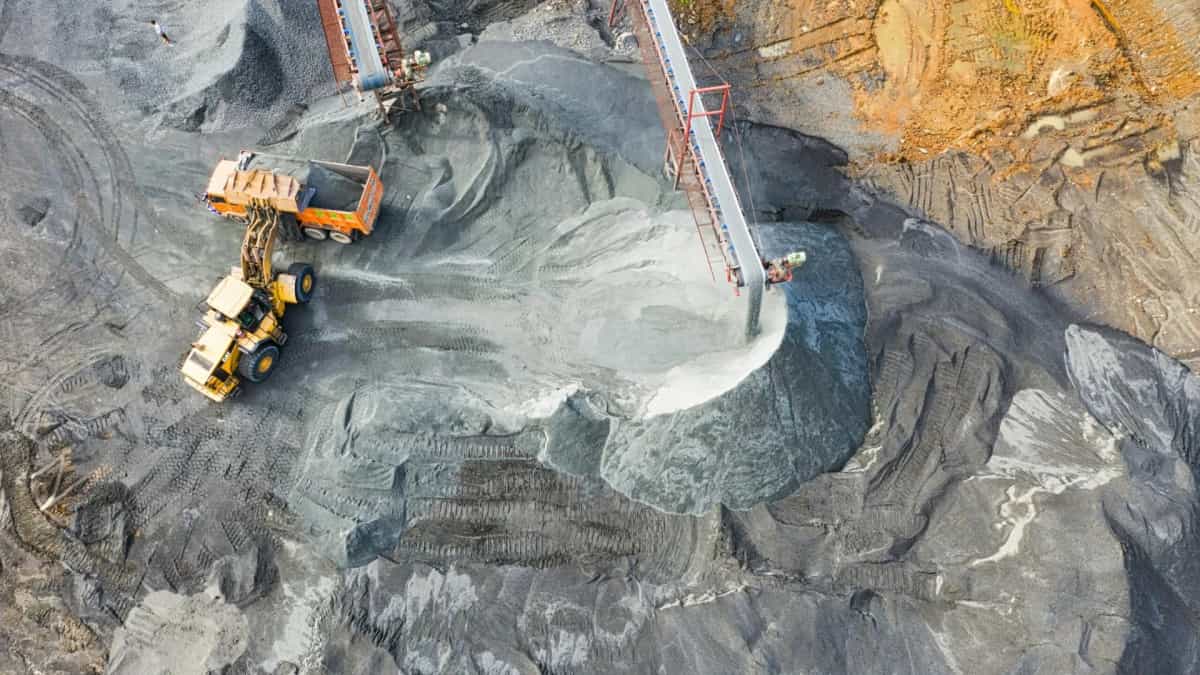
Germany's proposed minerals trader has a 2027 blueprint target, not an operating date
BMW and Rheinmetall support pooled purchasing, while the vehicle's legal and commercial design remains unsettled.
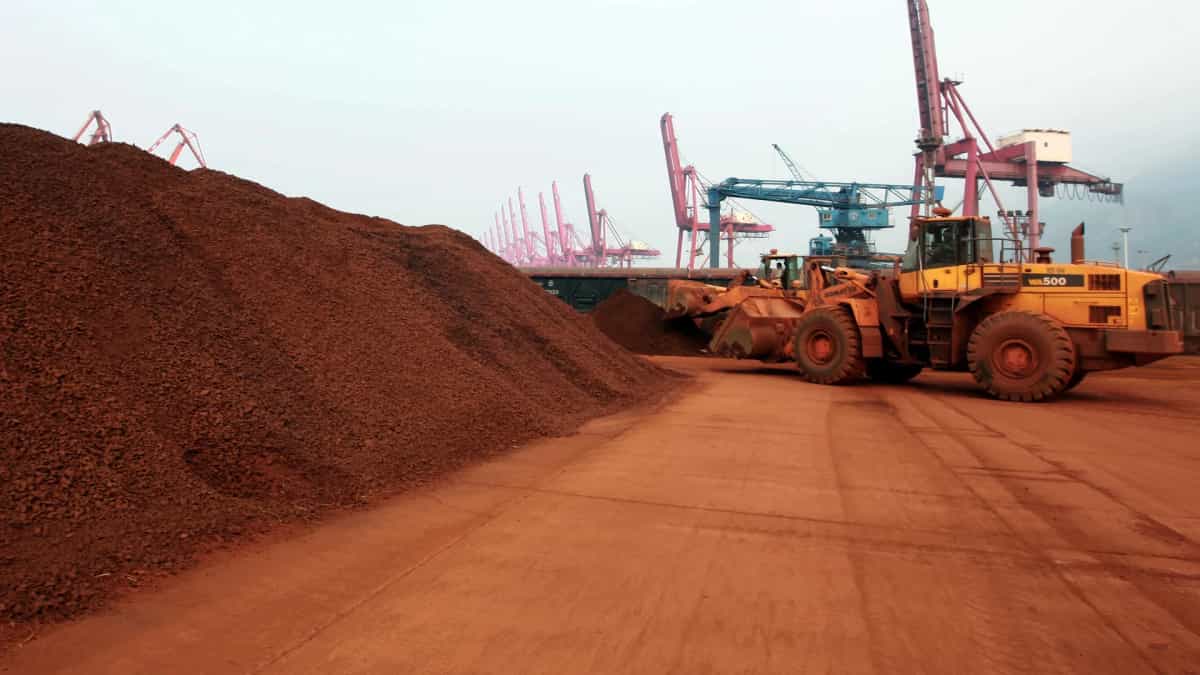
US tariff probe nears release as China’s rare-earth leverage shadows truce
The Section 301 review covers 15 countries and the EU, but its findings remain undisclosed as the China pause approaches expiry.
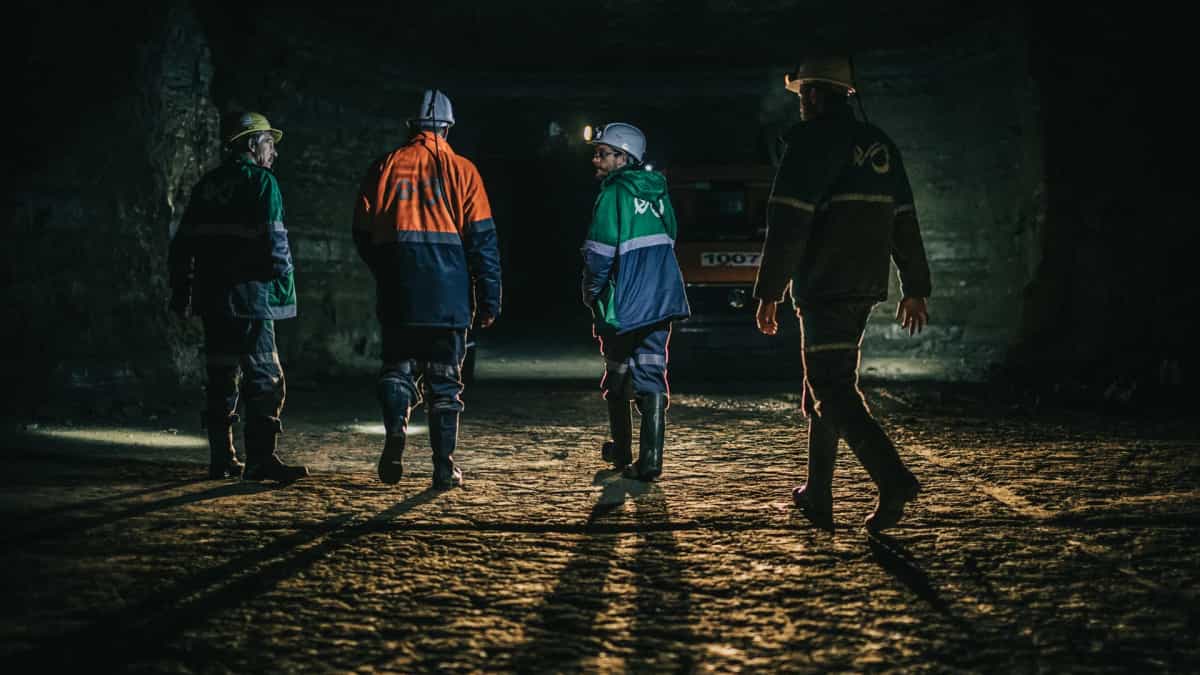
China extends critical-mineral export pause as US chip curbs test trade truce
Washington’s advanced-chip rules sharpen a separate technology dispute just days before the minerals pause was due to expire.