
US tariff probe nears release as China’s rare-earth leverage shadows truce
The Section 301 review covers 15 countries and the EU, but its findings remain undisclosed as the China pause approaches expiry.
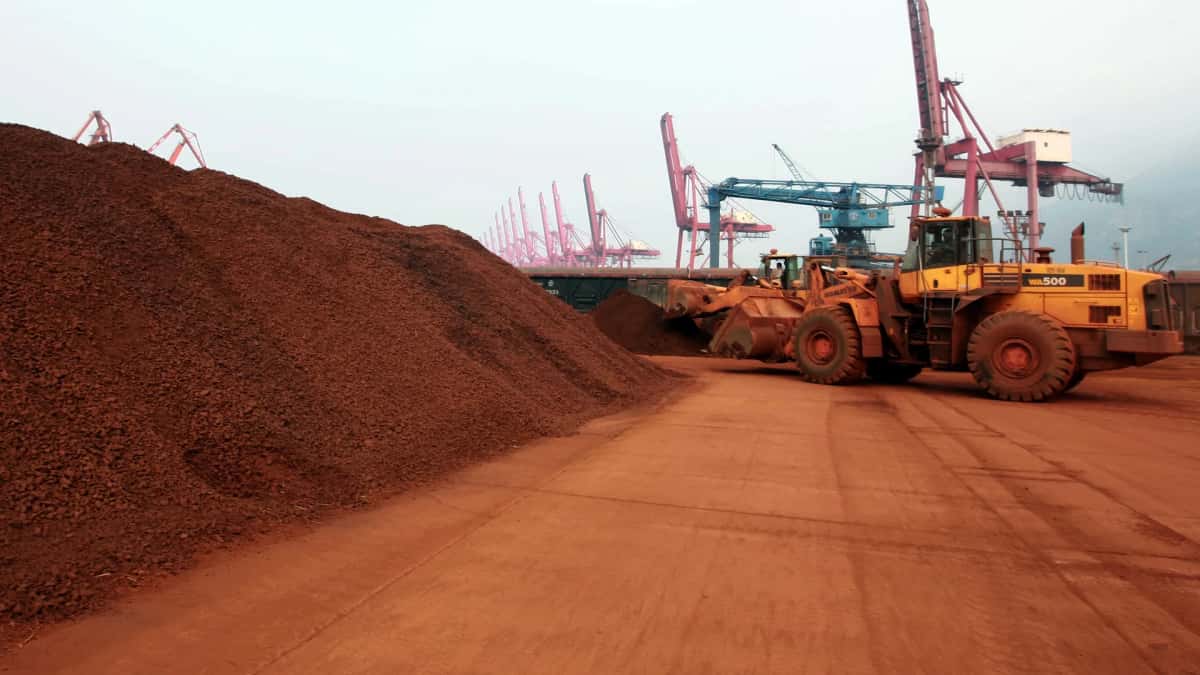
opb.org
Why it matters: A new tariff round could put critical-mineral trade back at the centre of negotiations between Washington and Beijing.
15 countries and the EU — covered by the US industrial-capacity investigation.
10 January — scheduled expiry of the US-China pause on tariff escalation.
7.5% — a possible additional tariff on Chinese goods under discussion, not an announced measure.
118 pages — the analysis Norway submitted to challenge the overcapacity allegation.
The US Trade Representative’s office expects to release its investigation into industrial overcapacity before the end of the year, a review that could provide grounds for new tariffs. Trade Representative Jamieson Greer said on Friday the report would be published “very soon”; its conclusions and any associated duties have not been announced.
The timing matters because the US-China tariff pause is scheduled to expire on 10 January. Economist Diane Swonk, chief economist at KPMG, identified rare earths as a potential source of leverage for Beijing if the truce ends and tariffs begin to accumulate again. The dispute remains unresolved, and the report’s publication date is still unknown.
Section 301 review leaves tariff levels unsettled
The investigation covers 15 countries and the European Union. Swonk said Greer had indicated that existing trade agreements would be respected, including tariff ceilings of 15% for most imports from the EU and Japan. She put current EU duties at 10% and Japan’s starting rate at 12.5%, leaving room for increases within those ceilings.
For China, one option under consideration is an additional 7.5% tariff on goods covered by the overcapacity investigation. That could bring duties on Chinese imports to about 20%, a level Beijing had previously described as compatible with the trade pause. It remains a scenario under review, not a tariff the US has imposed or formally announced.
Swonk also said Supreme Court rulings and an interim tariff regime had eased some pressure on effective tariff rates and inflation. In her assessment, a broader new round of Section 301 measures could reverse part of that relief, though she offered no estimate of the potential effect.
China’s minerals restrictions remain part of the bargaining backdrop
On 24 November 2026, China extended its suspension of export restrictions on critical minerals to the United States, including gallium, germanium and antimony. Those materials are distinct from rare earths; the extension is relevant as a separate example of minerals-related trade measures in the wider negotiations. Swonk’s assessment is that rare earths could give Beijing leverage if the tariff pause expires.
The calendar adds another consideration for Washington. The G20 leaders’ meeting is scheduled for 14–15 December in Miami, and announcing tariffs before the gathering could affect its atmosphere. No publication date for the investigation has been set.
Governments dispute the overcapacity case
Several governments named in the review have publicly rejected the US allegations. Singapore said it had run a trade surplus with the United States for more than 20 years and argued that its exports did not reflect excess capacity. Vietnam said in its submission that it had no structural overcapacity.
Norway provided 118 pages of analysis and data. Its foreign ministry said no sector showed structural excess capacity capable of harming US trade, and described the country’s oil and gas industry as a stable supplier whose production was aligned with global demand.
India rejected the allegations and asked the US to end the investigation. Its Ministry of Commerce and Industry argued that trade concerns should be handled through bilateral agreement negotiations already under way, rather than unilateral measures. These submissions state the governments’ positions but do not determine the investigation’s outcome; the US report is expected before year-end.
More in Critical Minerals
Germany's proposed minerals trader has a 2027 blueprint target, not an operating date
BMW and Rheinmetall support pooled purchasing, while the vehicle's legal and commercial design remains unsettled.

Thailand seeks six-month halt to Shan mines as arsenic reaches border rivers
Bangkok is also weighing controls on mining chemicals that move through Thai trade routes into Myanmar.
China extends critical-mineral export pause as US chip curbs test trade truce
Washington’s advanced-chip rules sharpen a separate technology dispute just days before the minerals pause was due to expire.