
Redodo fits 200 Ah into a Group 31 battery, but runtime hinges on demand
The 12 V LiFePO4 unit targets campers and RVs where adding storage can mean giving up scarce compartment space.
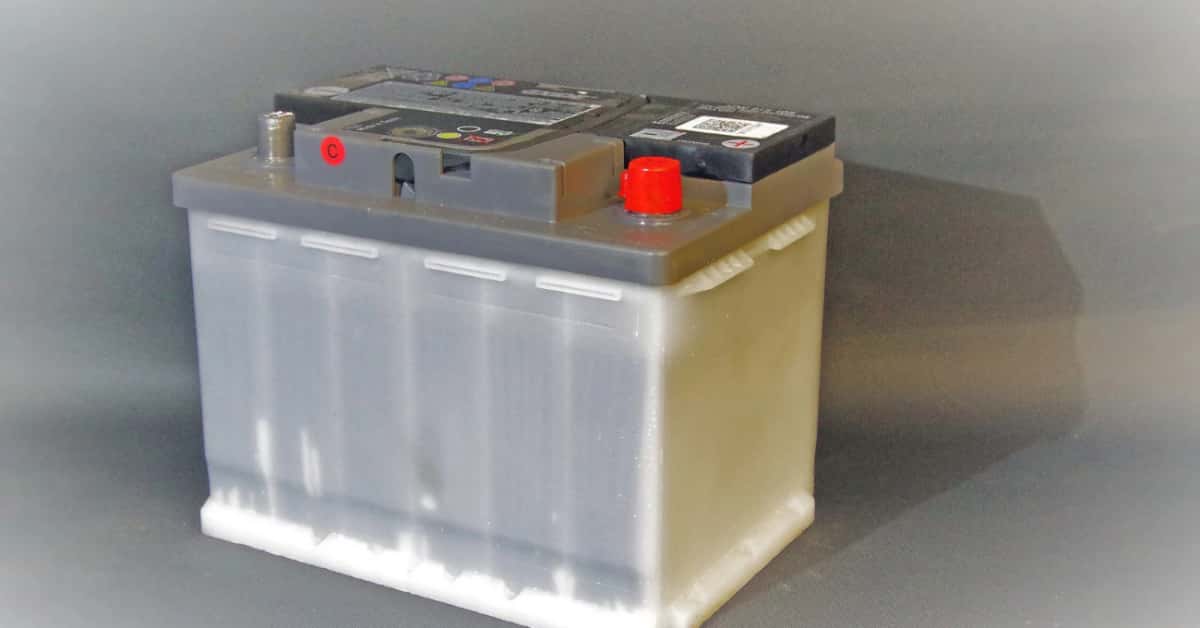
Why it matters: The battery’s compact format could let RV owners add storage without expanding a constrained battery compartment, but real-world runtime will vary with usage.
200 Ah — capacity at 12 V, according to Redodo
2,560 Wh — nominal energy capacity
44.5 lb — listed weight
Up to 2.5 days — theoretical runtime at 1 kWh of daily consumption
Redodo has introduced the Ultra Mini Bluetooth, a 12 V, 200 Ah LiFePO4 battery in a Group 31 format aimed at campers, travel trailers, motorhomes and other off-grid uses. The company lists its energy capacity at 2,560 Wh and says the casing is 41% smaller than conventional batteries with the same voltage and capacity. Its advertised runtime of up to 2.5 days is based on estimated daily use of 1 kWh, not a guaranteed duration for every installation.
The battery measures 13.11 × 6.93 × 9.45 inches and weighs 44.5 lb. Redodo says it weighs about 65% less than two 12 V, 100 Ah AGM batteries, whose combined nominal capacity is equivalent. The company’s size, weight and performance figures have not been accompanied by independent test results or details of the conditions used to estimate runtime.
Compact format targets existing battery spaces
Redodo’s product is aimed at RV owners who want more storage without installing additional batteries or modifying a compartment. The company says the unit can provide an upgrade from 100 Ah to 200 Ah in a similar footprint; the available specifications do not include comparative measurements of the battery bays or installation requirements.
A 200 A battery management system (BMS) supports a stated maximum continuous output of 2,560 W. Redodo says the battery can power equipment such as microwaves, televisions and LED lighting when used with a compatible inverter. Actual operation will depend on the inverter, the electrical installation and the combined demand of connected devices. The company has not specified operating times for individual loads.
The model can be connected in configurations of up to four units in parallel and four in series. Redodo says this can produce a system with 40.96 kWh of capacity, but has not provided the technical conditions for each configuration in the available product information.
Runtime and cycle-life claims depend on stated conditions
The 2.5-day estimate divides the battery’s nominal 2,560 Wh capacity by assumed consumption of 1 kWh per day. It is a theoretical projection rather than a field measurement, and actual duration will vary with connected loads and system conditions.
Redodo also specifies more than 6,000 charge cycles at 100% depth of discharge. It estimates a full recharge in about five hours using a compatible Redodo 12 V, 40 A LiFePO4 charger. The company has not detailed the charging conditions behind that estimate.
Bluetooth 5.0 connectivity lets users check information such as remaining capacity and voltage by phone. The casing carries an IP65 rating for dust protection and water jets, while the BMS includes protections for charging and discharging at low temperatures. Redodo has not stated the temperature thresholds at which those protections activate.
More in Critical Minerals

Tianqi Lithium’s Sichuan deal adds Shaotangou, but assumed debt lifts the cost
The deposit is close to Tianqi’s Cuola mine, but the potential infrastructure savings have not been quantified.
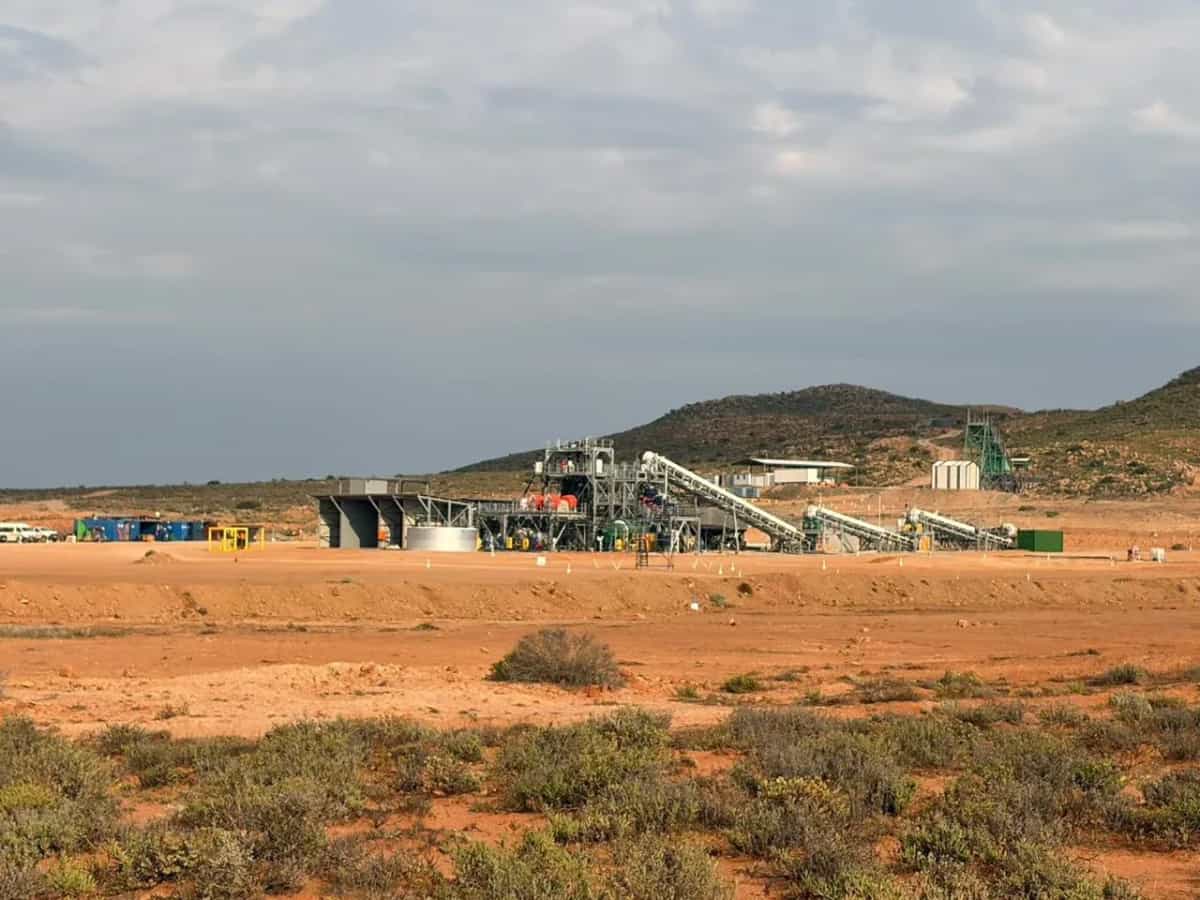
Steenkampskraal tests French rare-earth process before deciding on integration
The non-binding agreement starts with laboratory work; an on-site pilot and feasibility study depend on how the ore performs.
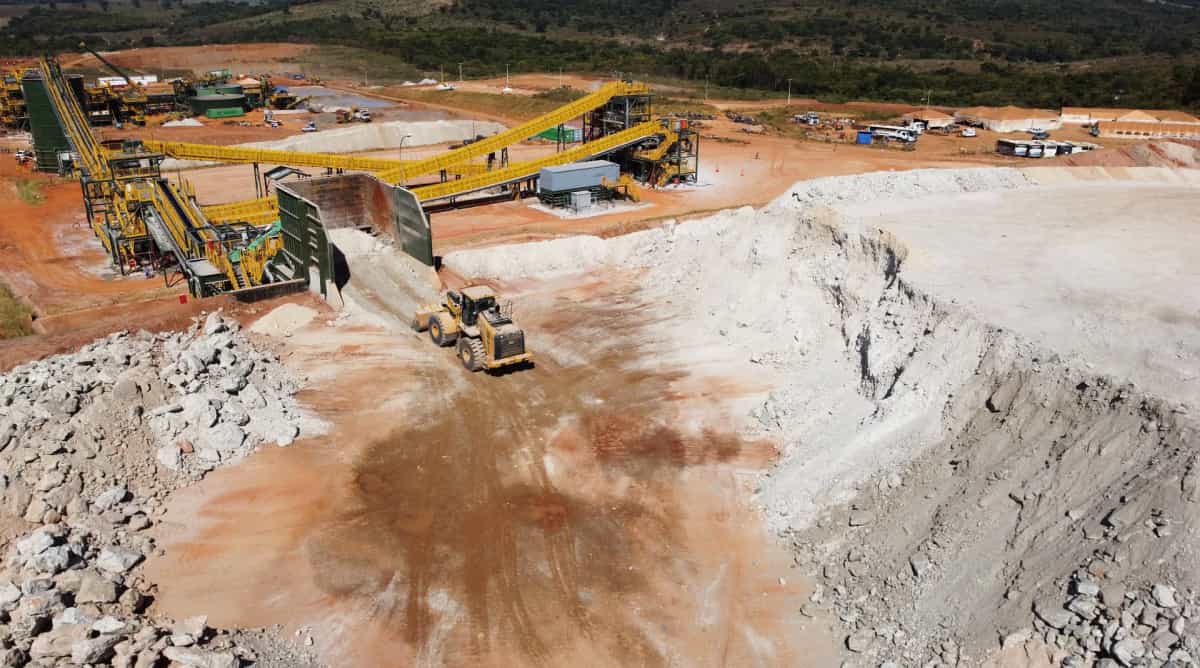
Brazil’s critical-minerals drive faces a bottleneck at mining regulator ANM
The agency would administer mining rights and oversee operations as Brazil develops its critical-minerals policy.