
Latin America's rare earth race depends on more than what lies underground
Brazil's resource base and Chile's Penco project are drawing attention as countries seek alternatives to China's established supply chain.
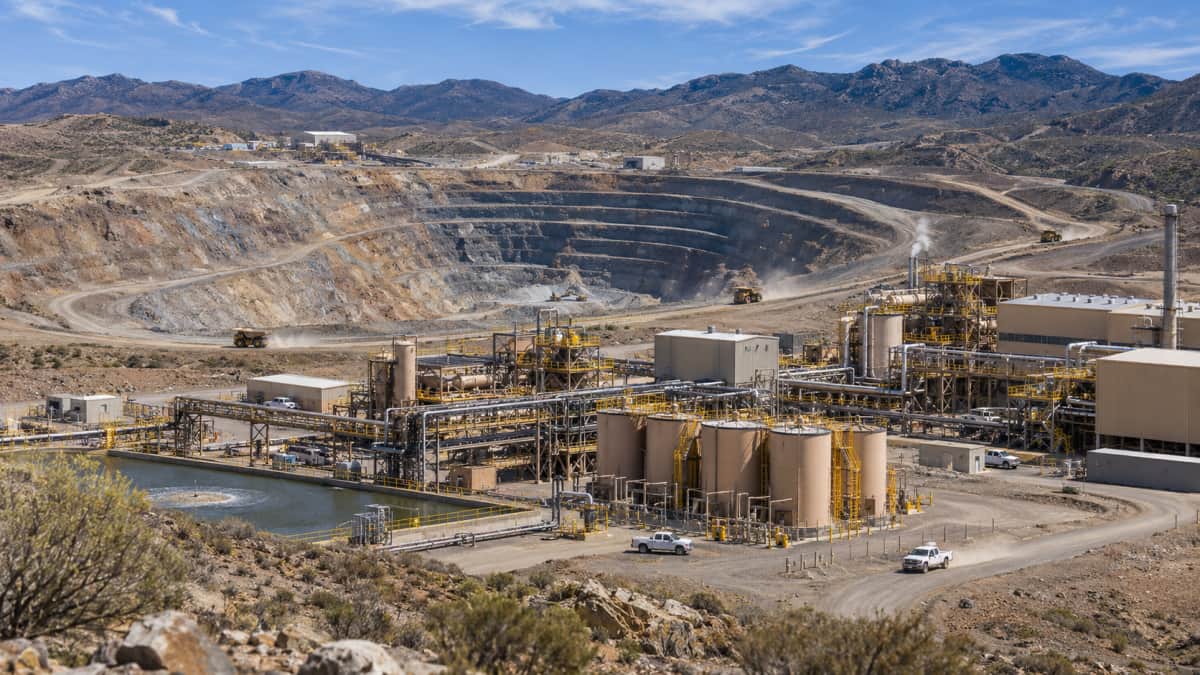
Why it matters: The ability to separate and process rare earths will determine whether Latin America's geological potential translates into a role in strategic technology supply chains.
More than 90% — China’s share of global rare earth refining for magnets, according to the figures cited.
21 million tonnes — Brazil’s estimated rare earth reserves, expressed as rare earth oxide equivalents.
US$244 million — estimated initial investment for Chile’s Penco project in its updated preliminary economic assessment.
More than 30% — potential growth in demand for magnet rare earths by 2030.
Latin America is seeking a place in the rare earth supply chain as governments and industries look to diversify from China’s dominant processing position. Brazil has a large estimated resource base, while Chile’s Penco project has secured environmental approval; turning that potential into supply will depend on more than mining.
Rare earths comprise 17 elements: the 15 lanthanides, plus scandium and yttrium. Their magnetic, optical and electronic properties make them important in electric motors, wind turbines, industrial robots, defence systems and electronics. Neodymium, praseodymium, dysprosium and terbium are particularly sought after for high-performance permanent magnets.
Processing capacity is the strategic bottleneck
China’s advantage extends beyond extraction. It accounts for about 60% of global mining production of rare earths used in magnets and more than 90% of their refining, according to the supplied industry figures. The country has built an integrated chain that reaches from mines to specialised components, leaving manufacturers elsewhere exposed to disruptions in processed material supply.
The 2025 comparison lists China’s mine production at 270,000 tonnes, followed by the United States at 51,000 tonnes, Australia at 29,000 tonnes and Myanmar at 22,000 tonnes. The figures are expressed in tonnes of rare earth oxide equivalents. They are not directly interchangeable with the separate estimate of China’s share of magnet-related mining, which refers to a narrower category.
Demand for rare earths used in magnets has doubled since 2015 and could grow by more than 30% by 2030. Electric vehicles, renewable energy equipment and industrial automation are among the drivers. Yet projects outside the main producing region could have close to 50,000 tonnes of extraction capacity for magnet rare earths by 2035, while planned separation and refining capacity remains below 40,000 tonnes. That gap underlines why new mines alone will not secure a complete supply chain.
Brazil brings scale; Chile advances a project
Brazil is estimated to hold 21 million tonnes of rare earth oxide equivalents, the second-largest national reserve total in the comparison after China’s 44 million tonnes. Its geological potential includes carbonatites and ion-adsorption clays. The possibility of producing heavy rare earths, including dysprosium and terbium, adds strategic interest, although deposits must still demonstrate workable recovery and processing economics.
In Chile, Aclara Resources and Grupo CAP are developing the Penco Module in the Biobío Region. The project proposes recovering rare earths from ion-adsorption clays using a process distinct from conventional metal mining. It received environmental approval on June 8, 2026. An updated preliminary economic assessment put estimated initial investment at US$244 million.
Environmental and technical tests remain
Rare earth extraction and separation can require chemical reagents, substantial water use and specialised waste management. Some deposits also contain naturally occurring radioactive elements, including thorium and uranium. Selective extraction, water recirculation and magnet recycling could help address these challenges, but each project’s viability depends on its mineral concentrations, metallurgical recoveries, processing costs and environmental requirements.
The next test for Latin American projects is whether they can establish technically and commercially viable processing alongside extraction. For Penco, that assessment remains tied to the project’s economics and environmental conditions; for the region more broadly, the capacity gap between planned mining and refining is still a constraint.
More in Critical Minerals
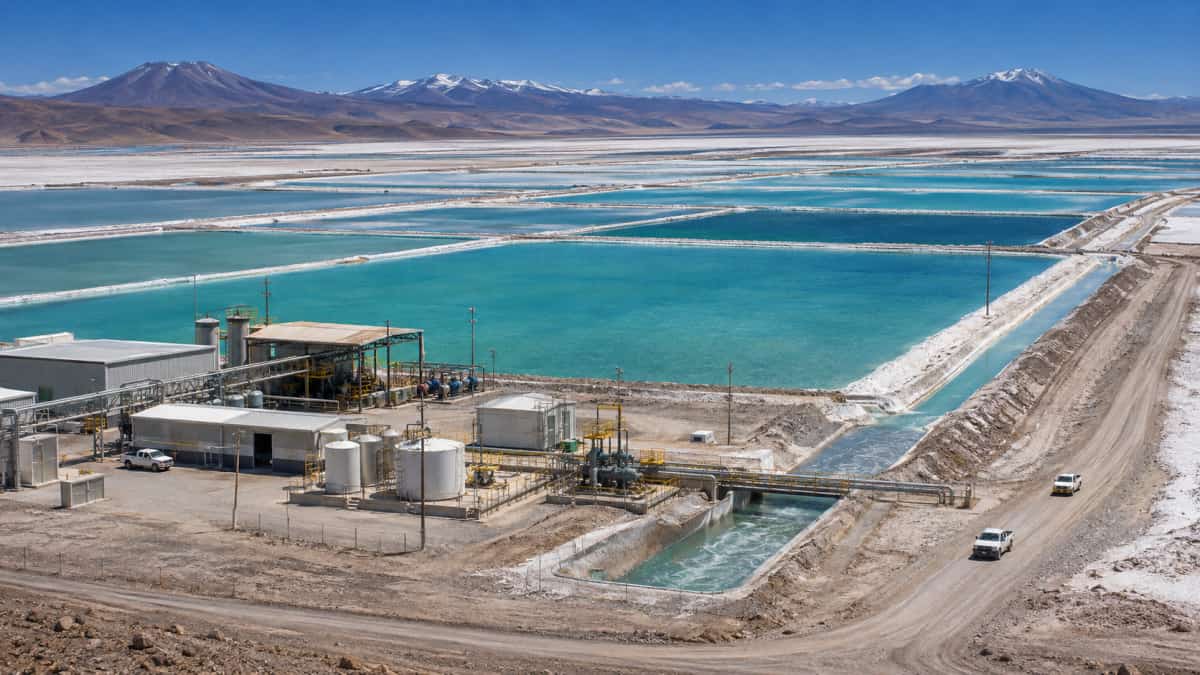
Chile, Argentina and Bolivia’s lithium wealth faces a test beyond resource size
The three salt-flat nations share a major resource base, but chemistry, infrastructure and investment models shape different paths to market.
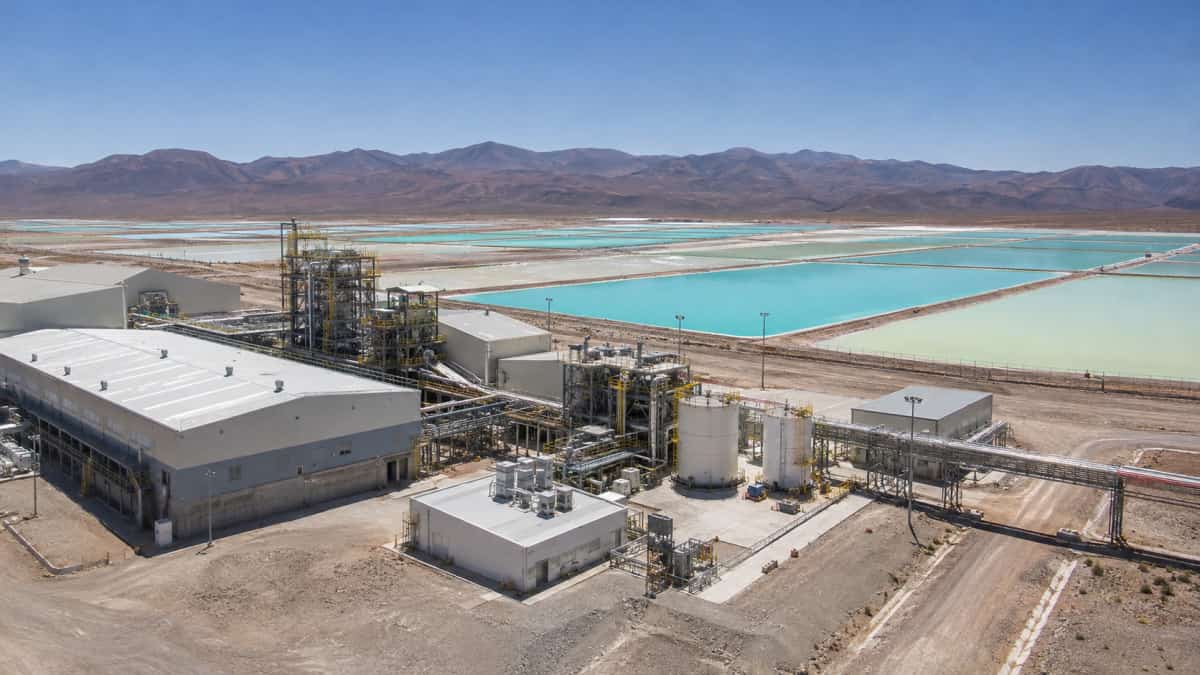
Argentina’s new lithium plants begin production, but ramp-up remains the test
Six projects have entered Argentina’s RIGI pipeline, but their production plans span commissioning, proposed expansions and financing conditions.
Stanford’s niobium phosphide nanowires challenge copper in smaller chips
At nanometre scales, copper interconnects face rising resistance, while any alternative must still prove it can work in chip manufacturing.