
Chile, Argentina and Bolivia’s lithium wealth faces a test beyond resource size
The three salt-flat nations share a major resource base, but chemistry, infrastructure and investment models shape different paths to market.
Why it matters: For battery supply, recoverable output and processing costs—not headline resource totals—will determine which brine basins attract capital.
64 million tonnes — identified lithium resources across the three countries, according to the figures presented.
56,000 tonnes and 23,000 tonnes — estimated 2025 lithium production for Chile and Argentina, respectively, on a lithium-content basis.
2,462 tonnes — Bolivia’s 2025 output of lithium carbonate, a different measurement basis from lithium content.
US$2.5 billion — Rio Tinto’s approved investment in Argentina’s Rincón project, designed for 60,000 tonnes a year of battery-grade lithium carbonate.
Chile, Argentina and Bolivia hold substantial lithium resources in Andean brine deposits, but their ability to turn them into commercial supply varies widely. Chile has established production and favourable conditions at the Atacama salt flat; Argentina is expanding a portfolio of projects backed by international investors; Bolivia has large identified resources but has yet to achieve comparable industrial output.
The three countries together account for about 64 million tonnes of identified resources, more than 40% of the global total cited in the figures. Those resources are not the same as economically mineable reserves, and production figures also need care: Chile’s and Argentina’s 2025 estimates are given as lithium content, while Bolivia’s reported output is in tonnes of lithium carbonate.
Atacama’s operating advantage and Chile’s next projects
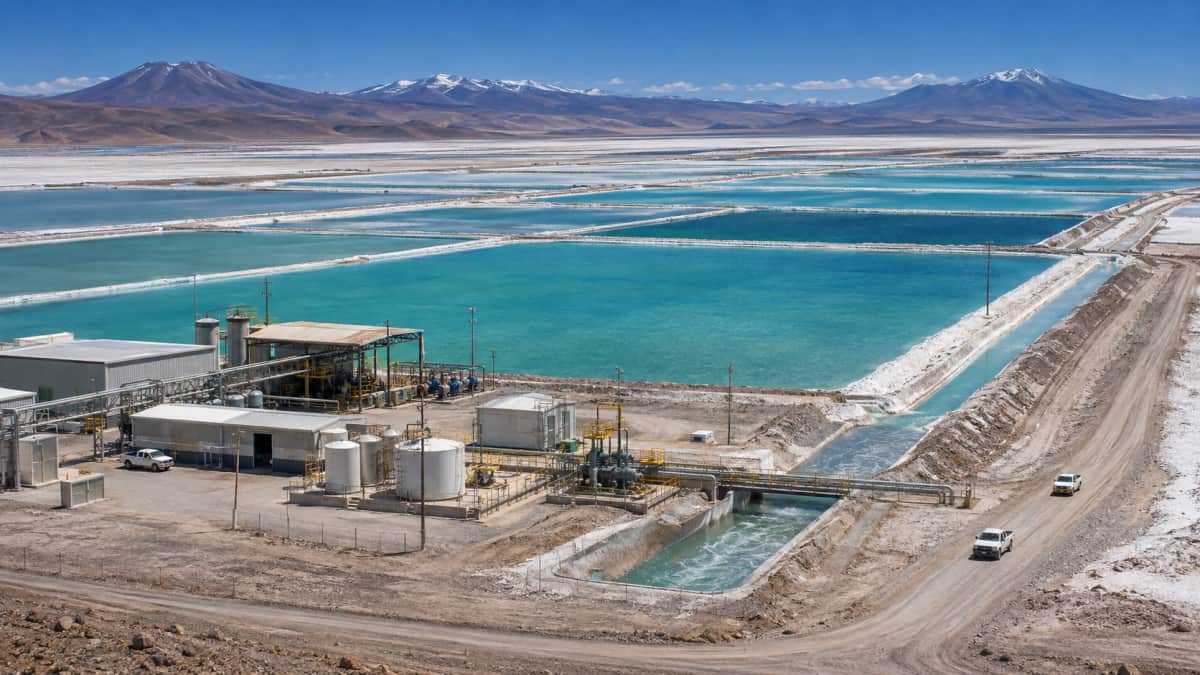
High lithium concentrations, low rainfall and strong solar evaporation have supported conventional brine operations in Chile’s Salar de Atacama. The country also has established processing infrastructure, Pacific port access, specialist suppliers and decades of operating experience.
That base does not eliminate constraints. Chile faces water and ecosystem pressures, concentration of production in Atacama and the challenge of developing supply beyond the basin. Its model combines private operators with a growing state role: Codelco and SQM’s NovaAndino Litio partnership is intended to support continued production in Atacama, while Maricunga offers a potential source of diversification. Codelco obtained the definitive special lithium operating contract for exploration and exploitation at Maricunga on 12 February 2026.
Argentina’s project pipeline meets infrastructure demands
Argentina has the largest identified resource total among the three countries, with projects in Jujuy, Salta and Catamarca and investment from companies including Rio Tinto, Ganfeng Lithium and Eramet. Its projects are spread across several basins rather than concentrated in a single producing salar.
At Rincón in Salta, Rio Tinto approved US$2.5 billion for a development targeting installed capacity of 60,000 tonnes a year of battery-grade lithium carbonate. The project plans to use direct lithium extraction (DLE), with production from the expansion scheduled to begin in 2028. Execution will depend in part on energy and transport infrastructure, financing conditions and the logistics of operating in remote areas, some above 3,000 metres elevation.
Brine chemistry puts Bolivia’s resource scale in context
The chemistry of a brine can affect separation, reagent use and purification costs. Approximate magnesium-to-lithium ratios cited for Hombre Muerto in Argentina, Atacama in Chile and Uyuni in Bolivia are 1:1, 7:1 and 22:1, respectively. The ratios vary within deposits, and concentration, other impurities and hydrogeology also influence process selection.
Bolivia’s Uyuni salar contains an estimated 23 million tonnes of lithium resources, but high magnesium levels and seasonal rainfall complicate processing and evaporation. State company Yacimientos de Litio Bolivianos produced 2,462 tonnes of lithium carbonate in 2025, against nominal annual capacity of 15,000 tonnes at its Llipi plant. Its 2026 production target is 3,600 tonnes.
DLE could improve recovery or shorten processing times in some settings, but it can also require substantial energy, water, reagents and capital. Performance is deposit-specific; the next test for each country is whether its chosen processes can deliver consistent recovery and product quality at commercial cost.
More in Critical Minerals
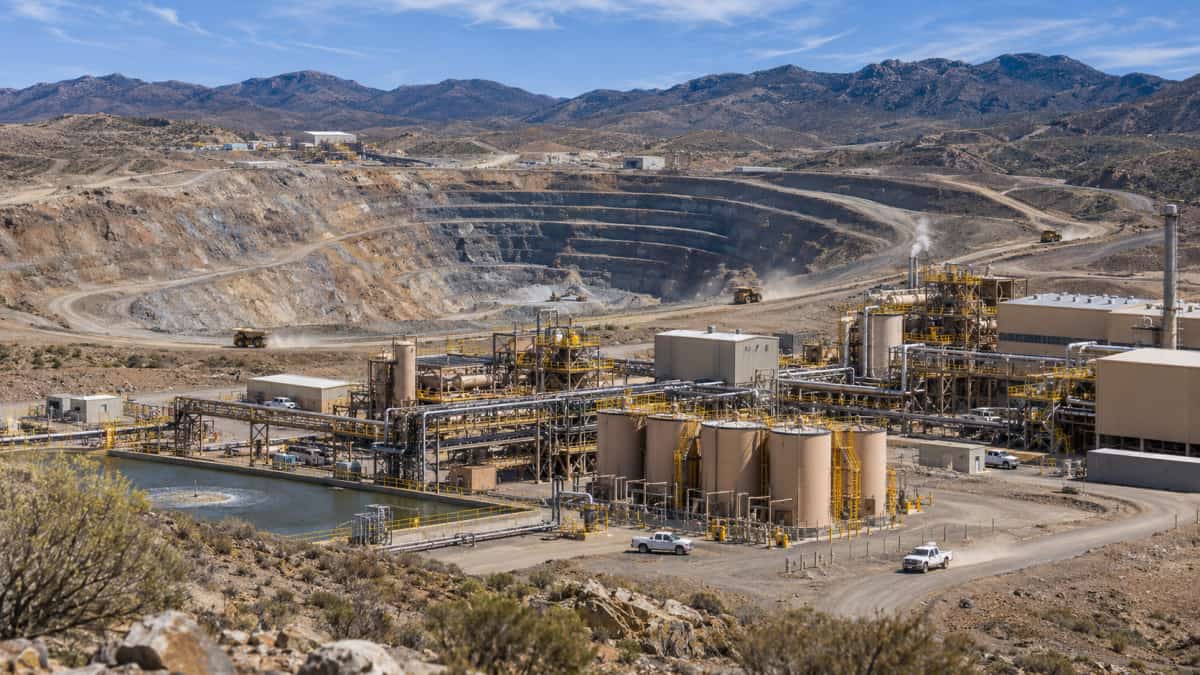
Latin America's rare earth race depends on more than what lies underground
Brazil's resource base and Chile's Penco project are drawing attention as countries seek alternatives to China's established supply chain.
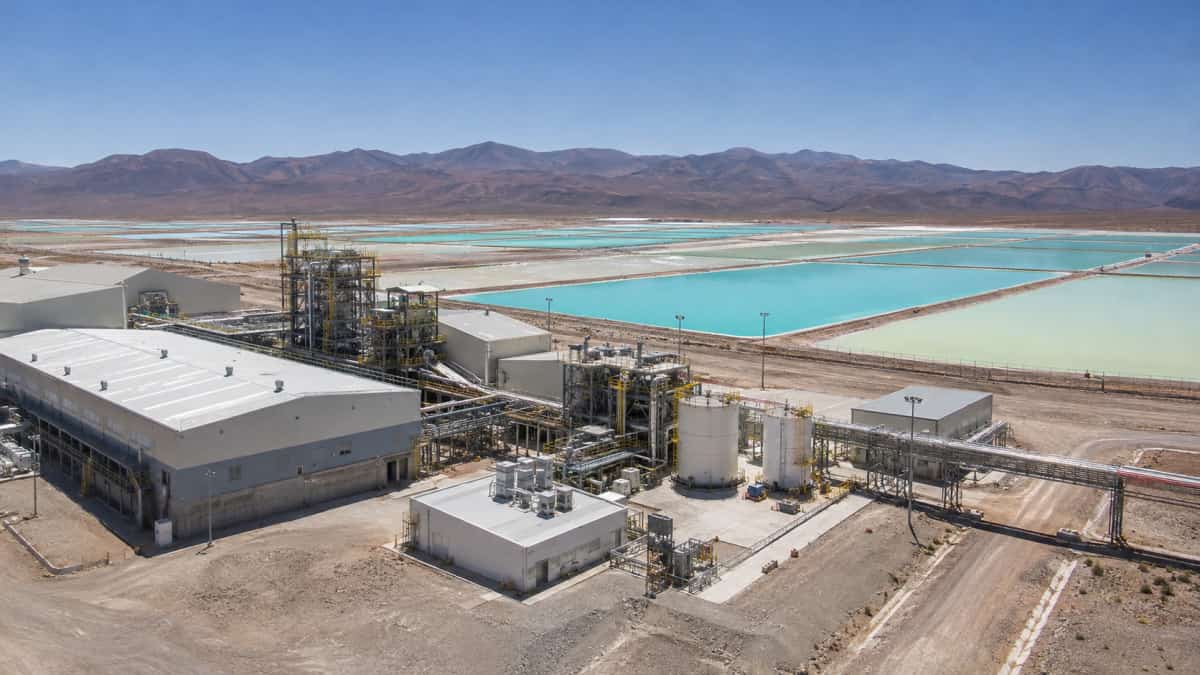
Argentina’s new lithium plants begin production, but ramp-up remains the test
Six projects have entered Argentina’s RIGI pipeline, but their production plans span commissioning, proposed expansions and financing conditions.
Stanford’s niobium phosphide nanowires challenge copper in smaller chips
At nanometre scales, copper interconnects face rising resistance, while any alternative must still prove it can work in chip manufacturing.