
GBM tests electric haulage at Kearney as graphite restart nears
The trial is meant to inform fleet spending, but Kearney’s real haul cycles must first be reconciled with digital models.
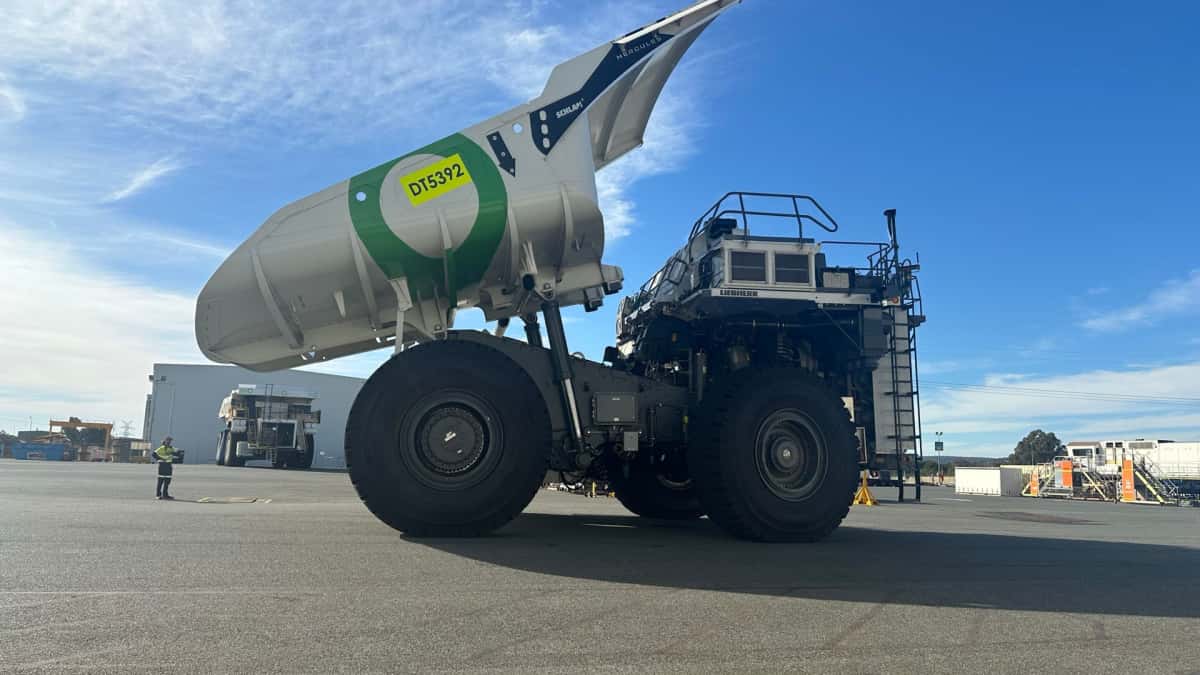
fuelcellsworks.com
Why it matters: Kearney’s trial could give GBM site-specific operating data before it commits capital to an electric fleet for the mine’s planned restart.
One week — planned duration of the field trial
22 tonnes — the truck’s stated load capacity
2028 or earlier — GBM’s target for fully restarting Kearney, according to its CEO
Global Battery Materials (GBM) has begun a week-long test of an electric haul truck at its Kearney graphite mine in Ontario, using field measurements and digital modelling to assess what electrified haulage could require ahead of a planned restart in 2028 or earlier.
The trial is led by MEDATech Engineering, with support from Green Graphite Technologies (GGT) and funding from Natural Resources Canada’s Energy Innovation Program. The truck has a stated load capacity of 22 tonnes. GBM has not yet reported results, including energy consumption, range or charging times.
Field data will be checked against digital models
The study will compare actual material-hauling cycles at Kearney with digital simulations. Measurements collected at the mine are intended to validate the models and help assess how truck configuration, battery capacity and charging requirements fit the operation’s production needs. MEDATech is also providing engineering support at the site.
After the test, MEDATech plans to publish a case study combining field measurements and modelling. It is expected to cover vehicle performance, energy use and charging requirements under Kearney conditions. The work is designed to provide operating parameters for evaluating fleet electrification before GBM commits capital; no consumption, range or charging figures have been released.
The findings are also scheduled for presentation at a Canadian Institute of Mining, Metallurgy and Petroleum-sponsored webinar in April 2027, aimed at sharing practical considerations with other operations assessing electrification.
Fleet assessment tied to Kearney’s restart plan
GBM expects the haulage data to inform its future fleet, operating costs and emissions profile. Chief executive Eric Miller has said the company is working toward a full restart in 2028 or earlier. Miller also stated that demand for GBM’s graphite exceeds Kearney’s production capacity, but the company has not provided figures for either demand or planned production.
The test sits within a proposed Ontario battery-materials chain: graphite extraction at Kearney, processing using GGT technology and transport with electric equipment. Natural Resources Canada is funding the feasibility study, while Ontario’s Ministry of Energy and Mines is involved as the regulator, according to the companies.
GGT develops graphite-purification technology for battery applications, while MEDATech designs electric and hybrid power systems and equipment for heavy industry. The trial results and subsequent modelling will inform GBM’s fleet decisions; the operating data and case study remain pending.
More in Critical Minerals
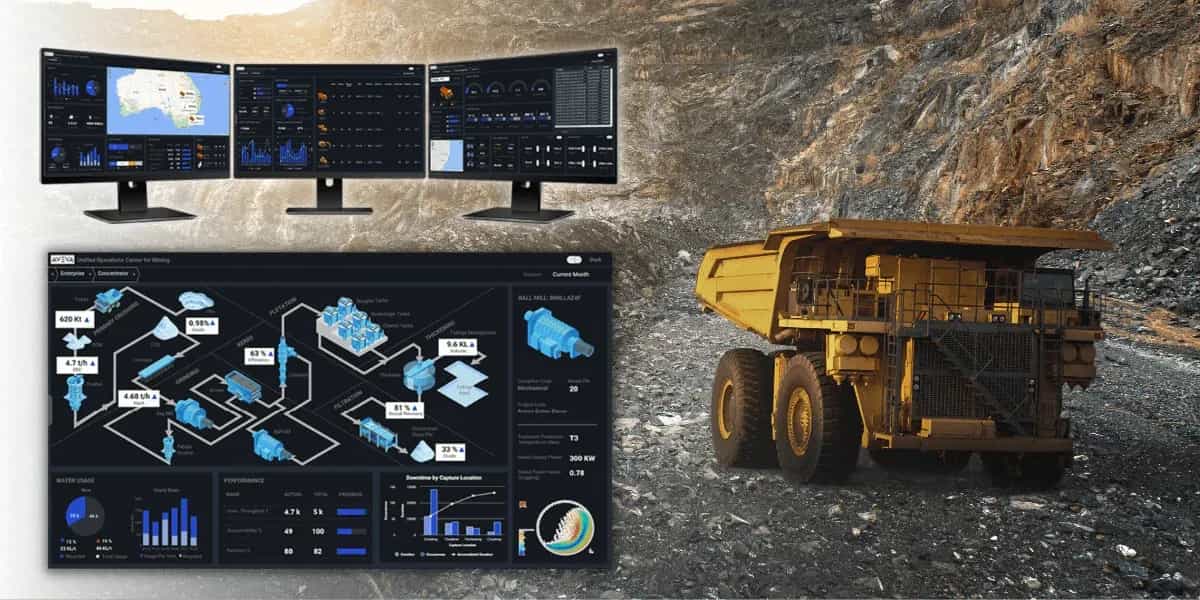
AVEVA puts mine data at the centre, but productivity gains remain unmeasured
Water, energy and mine-site systems can be joined, but their records must first become comparable across platforms.
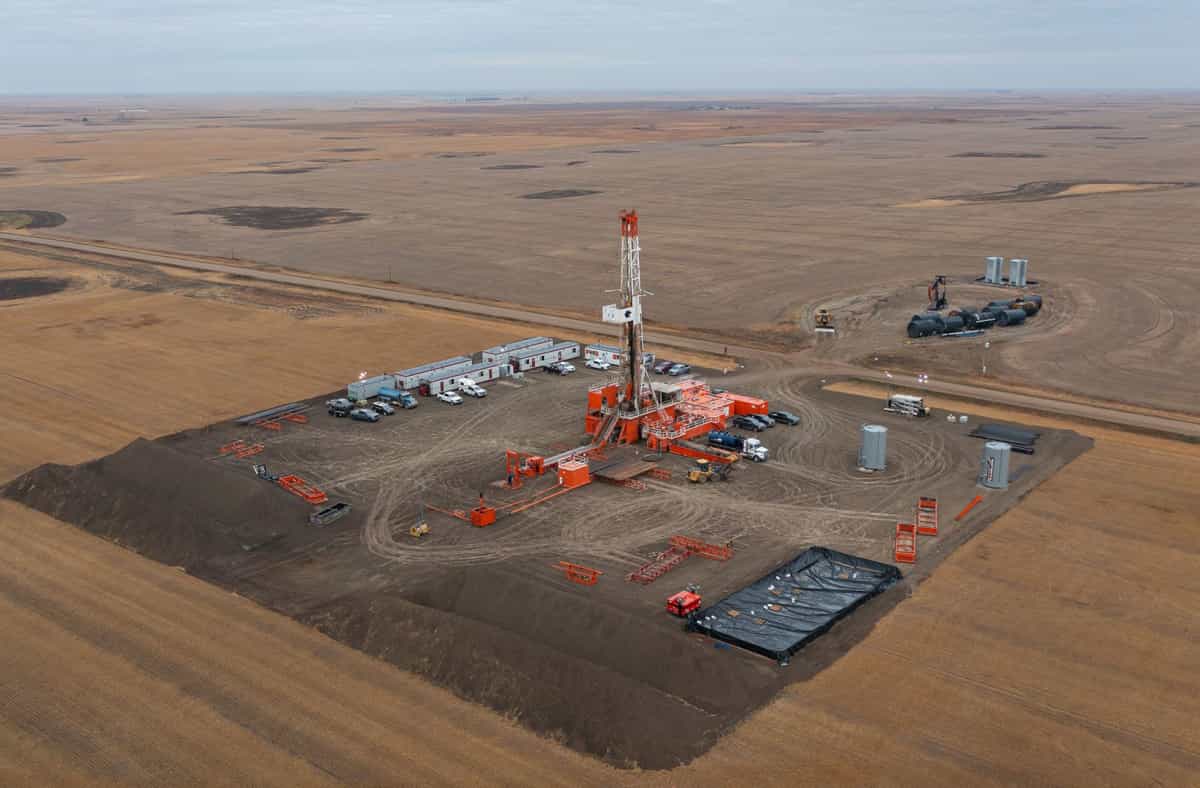
Prairie Lithium brings Duperow brine to surface as Pad #1 awaits processing integration
The Saskatchewan site is prepared for winter, but the next stage depends on integrating a DLE unit with processing and support systems.
CIPTEMIN and INACAP put Chile’s lithium value-add ambitions to the test
A SQM specialist pointed to cathode materials as one possible next step, putting local research and development at the centre of the discussion.