
AVEVA puts mine data at the centre, but productivity gains remain unmeasured
Water, energy and mine-site systems can be joined, but their records must first become comparable across platforms.
incentrik.com
Why it matters: Mining data integration could help operators compare information across systems, but the event disclosed no quantified productivity gains to test that case.
12 November 2026 — AVEVA Day Chile was held in Santiago.
50 years — the period AVEVA said it has developed data-analysis capabilities for mining and other industries.
US$224 billion — estimated global economic losses from natural disasters in 2025, according to Munich Re; weather events accounted for 92%.
About 25% — the potential copper supply deficit by 2035 projected in the IEA’s Global Critical Minerals Outlook 2026, based on existing and announced projects.
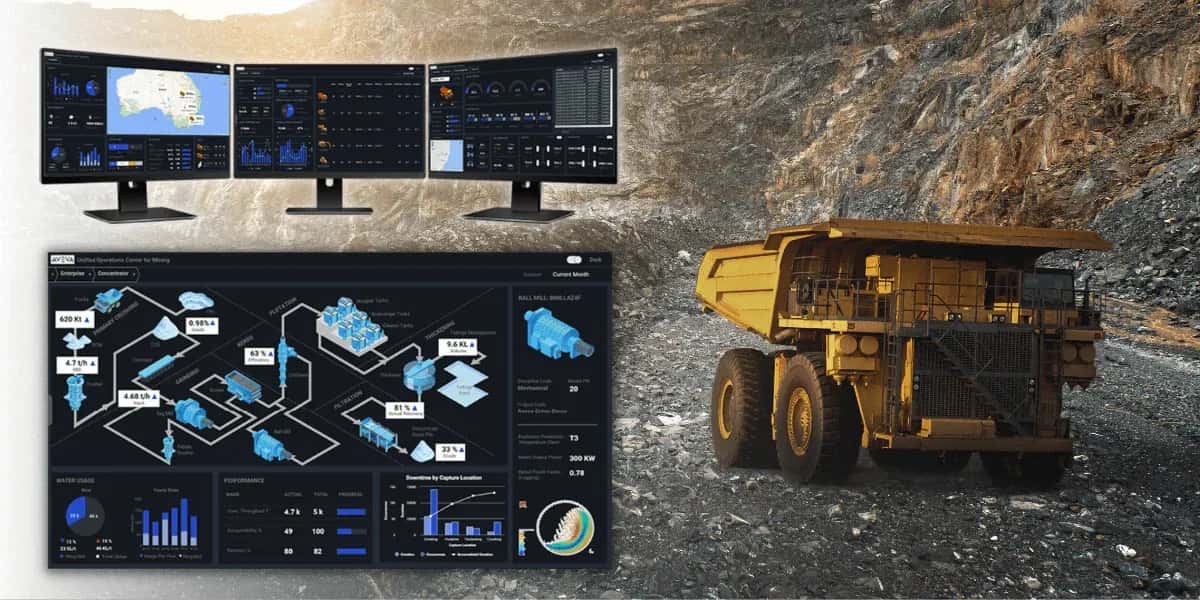
AVEVA used its Santiago event to argue that connecting water, energy and mine-site systems is only the first step in making operational data useful for decisions. The company said information must also be collected, cleaned and organized so it can be compared across platforms. Results associated with AVEVA solutions at Teck Resources’ Quebrada Blanca operation were presented, but no performance metrics were disclosed.
Connecting systems is only part of the data task
Javier Barella, AVEVA’s vice-president for Latin America, said linking systems across operations can help mining companies build operational intelligence. The aim, as described at the event, is to make information from different platforms measurable and comparable, giving operators and data managers a common basis for analysis.
Barella likened the role to a translator between people speaking different languages. In practice, that means more than bringing records together: users need to interpret them consistently before relying on them for operational decisions. AVEVA CONNECT, AVEVA Predictive Analytics and AVEVA Asset Information Management were among the products discussed as tools for accessing contextualized information.
The event also addressed data preparation—the work of collecting, cleaning and organizing industrial information before analysis. That requirement is central to the company’s case for integration, but AVEVA did not provide a comparable measure of productivity improvements from the solutions discussed.
Digital twins depend on reliable information
Erika Fernandez, AVEVA’s global vice-president of portfolio management, coaching and capabilities, said a reliable digital twin requires industrial data that is dependable, contextualized and available across systems. Her presentation on Connected Industries advocated an open, technology-independent data architecture that can incorporate applications and analytics from design and construction through operations and optimization.
The agenda placed that technology discussion alongside environmental pressures, demand for minerals, energy and infrastructure, and risks involving artificial intelligence and autonomous systems. Munich Re’s estimate of 2025 disaster losses and the IEA’s potential copper supply shortfall were cited to frame the scale of external pressures facing the sector. Neither figure measures the effect of AVEVA’s platforms.
The Quebrada Blanca presentation likewise offered no quantified results, leaving the event’s account of benefits at the level of operational integration and data readiness. The company did not provide a comparable productivity measure for the solutions discussed.
More in Critical Minerals
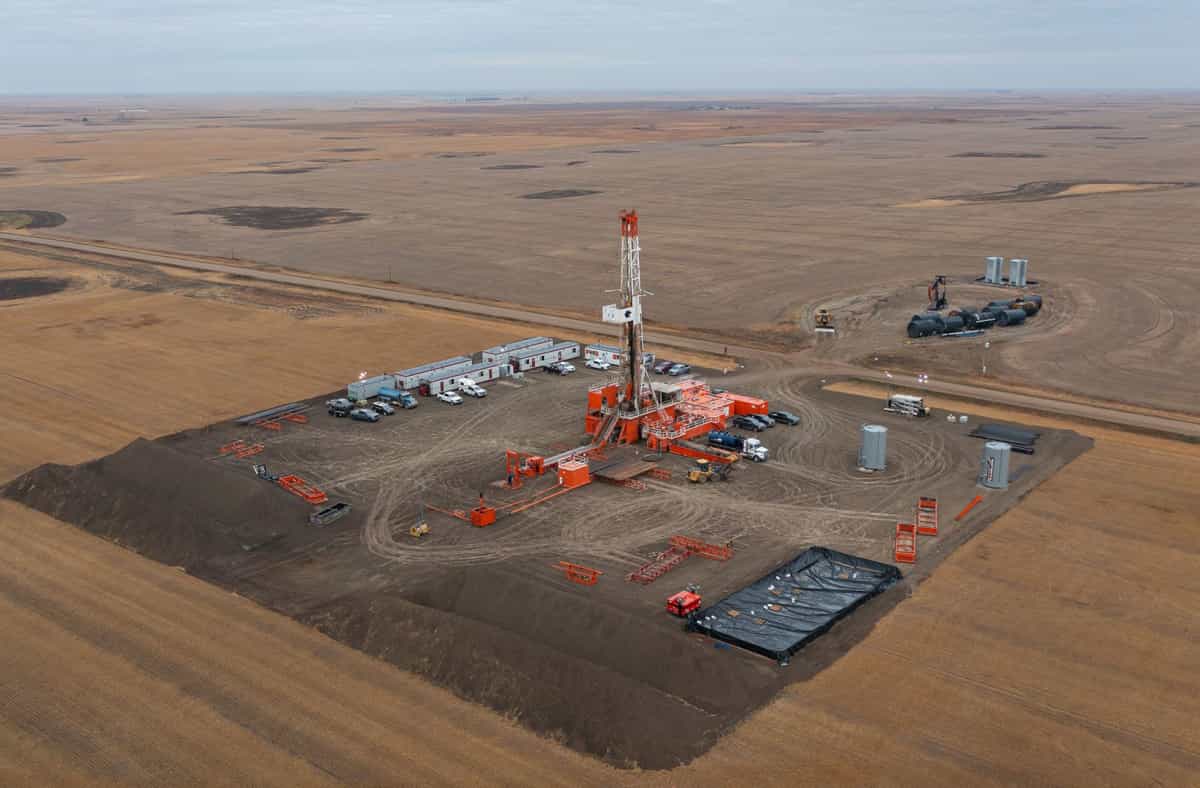
Prairie Lithium brings Duperow brine to surface as Pad #1 awaits processing integration
The Saskatchewan site is prepared for winter, but the next stage depends on integrating a DLE unit with processing and support systems.
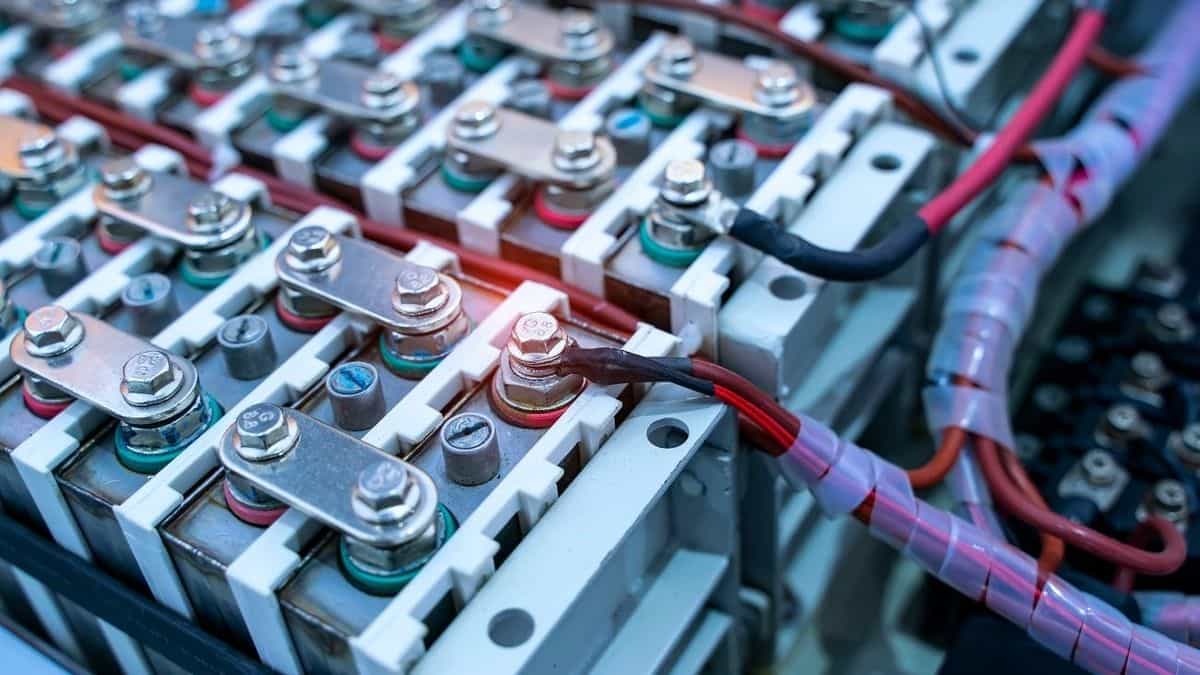
CIPTEMIN and INACAP put Chile’s lithium value-add ambitions to the test
A SQM specialist pointed to cathode materials as one possible next step, putting local research and development at the centre of the discussion.
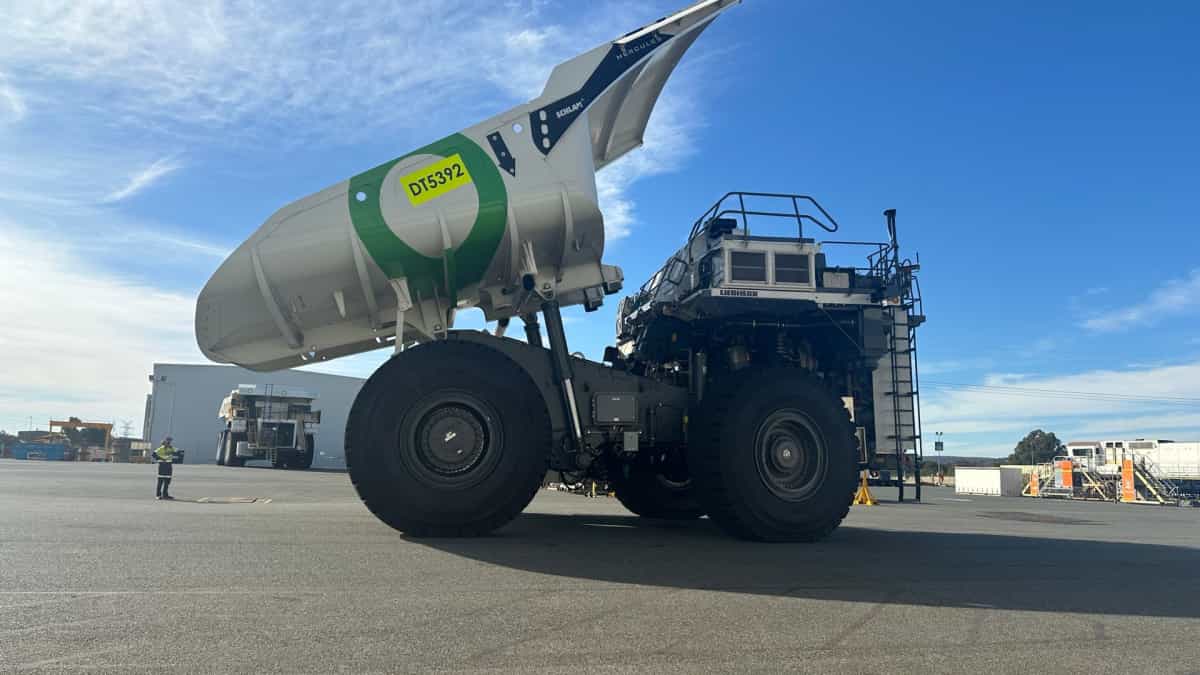
GBM tests electric haulage at Kearney as graphite restart nears
The trial is meant to inform fleet spending, but Kearney’s real haul cycles must first be reconciled with digital models.