
Cyclic Materials picks German site, but its five-plant European plan remains unbuilt
Discarded motors, hard drives and industrial equipment are the proposed feedstock for a facility intended to supply a separate chemical hub.
mining.com
Why it matters: The project would test whether recycled magnets can add a secondary rare-earth supply in a market where China dominates processing.
25,000 tonnes — planned annual capacity for magnetic waste at Schkopau.
Up to 15% — the share of EU rare-earth needs the company says its five-plant network could cover.
90% — China’s share of global rare-earth processing, according to the company’s cited market context.
2028 — the year Cyclic Materials expects the German plant to begin operations.
Cyclic Materials has reserved land in Schkopau, near Leipzig, for its first European rare-earth magnet recovery plant. The Canadian company plans to process discarded magnetic materials there and send the recovered material to a separate chemical facility for refining and separation. Operations are expected to start in 2028, but the project remains in the planning stage.
Schkopau would process waste from motors and electronics
The proposed facility would use Cyclic’s MagCycle technology to recover permanent magnets from discarded electric motors, hard drives, drones and industrial equipment. The company projects annual input capacity of 25,000 tonnes of magnetic waste.
Alongside magnetic concentrate, Cyclic estimates the site could produce 750 tonnes of magnet concentrate, 14,000 tonnes of steel, 4,600 tonnes of aluminium and 3,000 tonnes of copper each year. The company says materials other than rare earths account for 40% to 50% of its revenue, making recovery of those metals part of the project’s economic model.
Cyclic says its production costs could allow it to operate without minimum-price guarantees of the kind secured by US-based MP Materials. However, it has not disclosed cost figures for the German project, and no independent assessment of the proposed plant’s profitability is available.
A five-plant network is central to the supply forecast
Schkopau is the first of five European plants Cyclic intends to develop. The company says the network could eventually meet up to 15% of EU rare-earth needs; that figure is a projection, not currently available production. The German facility’s planned role is to recover magnetic material, while a central chemical hub would refine and separate it into rare-earth oxides.
The expansion comes as European demand for rare-earth magnets is forecast to more than double over the next decade. These magnets are used in sectors including automotive, technology and defence, while China accounts for 90% of global processing of rare earths. Recycling could add a secondary supply source, but the planned facility depends on the broader recovery and refining chain being developed.
US operations offer a comparison, not proof of German economics
Cyclic opened a commercial-scale magnet recovery plant in Mesa, Arizona, in September after 17 months of development, and is building an integrated recycling campus in South Carolina. The company previously raised US$75 million to expand its US operations. It has also explored expansion in Asian markets outside China and partnered with electronics recycler ERI to secure feedstock through its US collection network.
Microsoft, Amazon and BMW are among Cyclic’s investors, but the company has not detailed investment stakes or funding commitments tied specifically to Schkopau. The reserved site establishes the project’s location; development of the facility and its associated supply chain remains ahead of the expected 2028 start-up.
More in Critical Minerals
China extends US mineral export pause, but licensing controls remain
For US manufacturers, finding alternatives means more than locating ore: gallium and germanium need specialized recovery from other production streams.

Lithium Atlas puts 500-plus projects under scrutiny over their land footprint
A two-year inventory tracks ownership and projected output, but its territorial overlays shift attention from how much lithium to where projects sit.
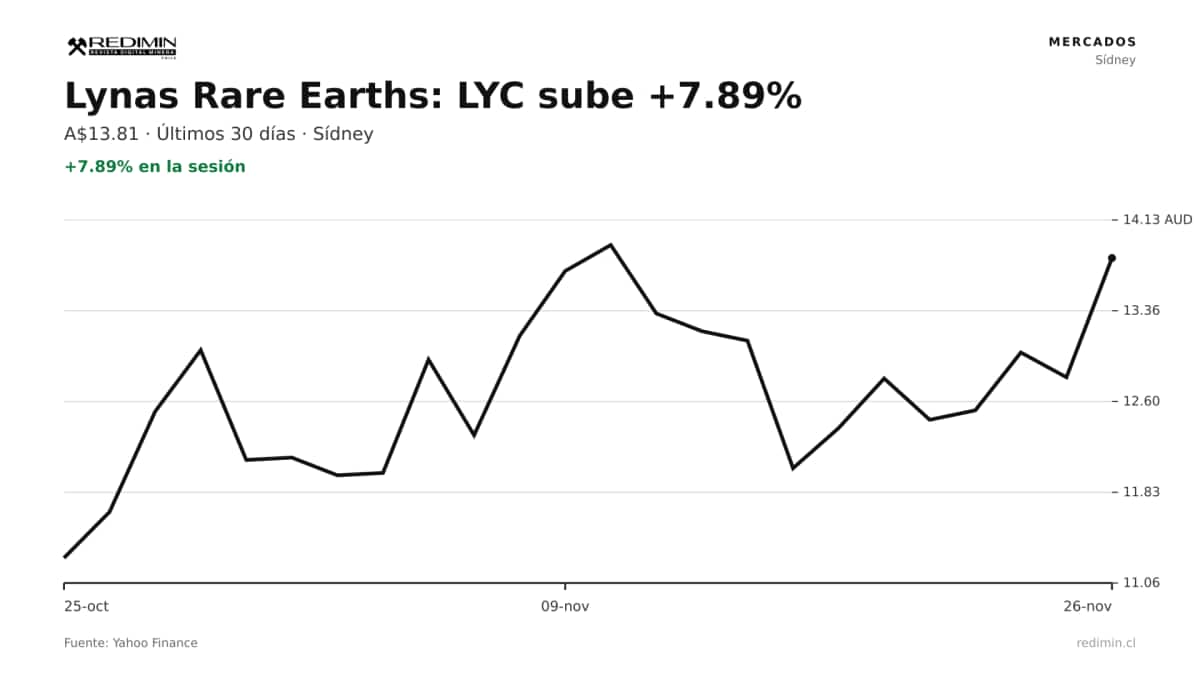
Lynas shares jump in Sydney but remain well below their 52-week high
The trading record captures the move but offers no company-specific explanation for the advance.