
Lithium Atlas puts 500-plus projects under scrutiny over their land footprint
A two-year inventory tracks ownership and projected output, but its territorial overlays shift attention from how much lithium to where projects sit.
kjzz.org
Why it matters: The inventory shows why projected lithium supply cannot be assessed separately from the communities and places where projects are located.
More than 500 projects — new global lithium extraction initiatives identified by the inventory.
US$62 billion — potential value associated with Chinese lithium projects, not investment already spent or realised revenue.
14 times — the International Energy Agency’s projected increase in global lithium demand by 2040, compared with 2020.
8% — projected U.S. share of the lithium market in the next five years; it is not a current market share.
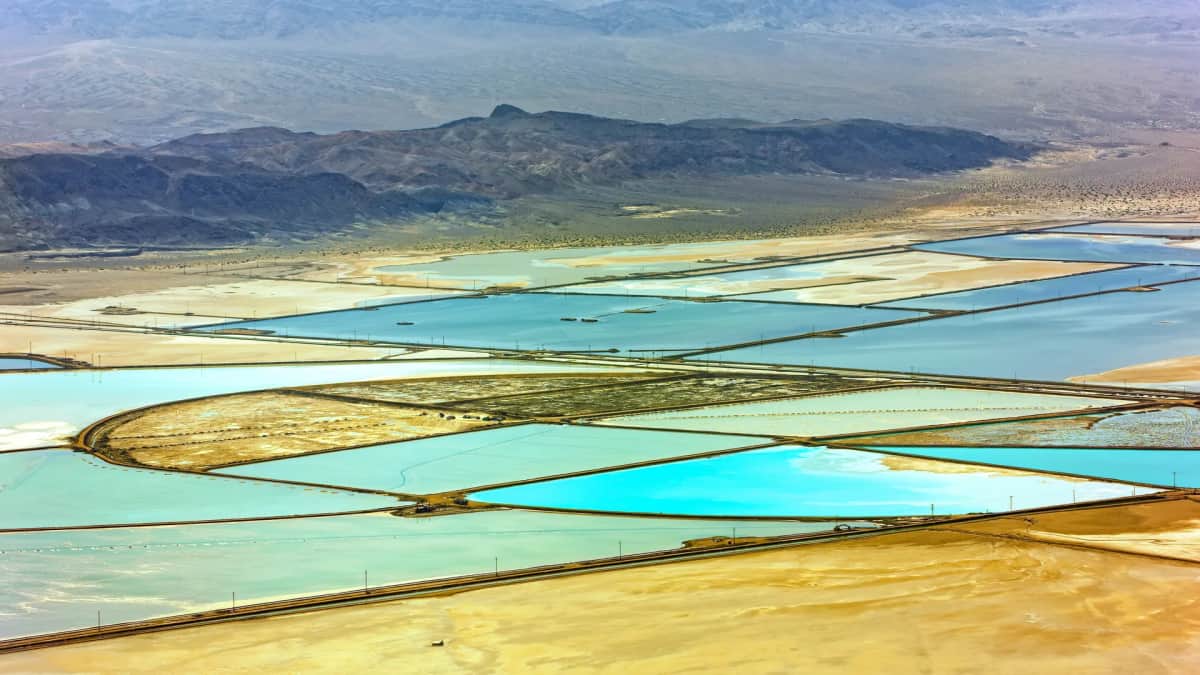
The Lithium Atlas maps more than 500 lithium extraction projects worldwide against Indigenous territories, heritage sites and other land data, documenting impacts on tribal communities and places of cultural significance in the U.S. desert Southwest and the Black Hills. Published in spring 2025 after two years of research, the inventory also records project ownership, associated investment, development stage and estimated production.
Those production figures are projections, not confirmed output. The project count therefore does not represent operating mines or supply already reaching the market. The Atlas also identifies about US$62 billion in potential value linked to Chinese lithium projects; that figure is not a measure of capital already deployed or realised earnings.
The map adds territorial data to project estimates
Alongside project information, the Atlas includes Indigenous land boundaries, conservation areas, aerial imagery and the U.S. Centers for Disease Control and Prevention’s Social Vulnerability Index. The overlay allows projects to be considered in relation to social and territorial conditions, rather than only by development stage or forecast production.
The inventory’s coverage of the desert Southwest and the Black Hills recorded impacts involving tribal communities and heritage sites. It does not, by itself, establish the permitting status of each project or determine the outcome of consultations and environmental reviews. A Latin American investigative journalism organisation later used the database in its own work on regional lithium projects.
Demand projections do not guarantee project development
The project pipeline is expanding as lithium becomes more strategically important for batteries and other energy technologies. The International Energy Agency estimates that global demand could be 14 times higher in 2040 than in 2020. That outlook provides market context, but does not mean every mapped project will be built or reach production.
In the United States, the administrations of Donald Trump and Joe Biden supported critical-mineral mining through measures including subsidies and faster approval processes. The U.S. share of the lithium market is also projected to reach 8% over the next five years, a forecast rather than an achieved share.
The Atlas brings together projects at different stages, while many production estimates remain forecasts. Their eventual contribution to supply will depend on whether individual projects advance through development and permitting.
More in Critical Minerals
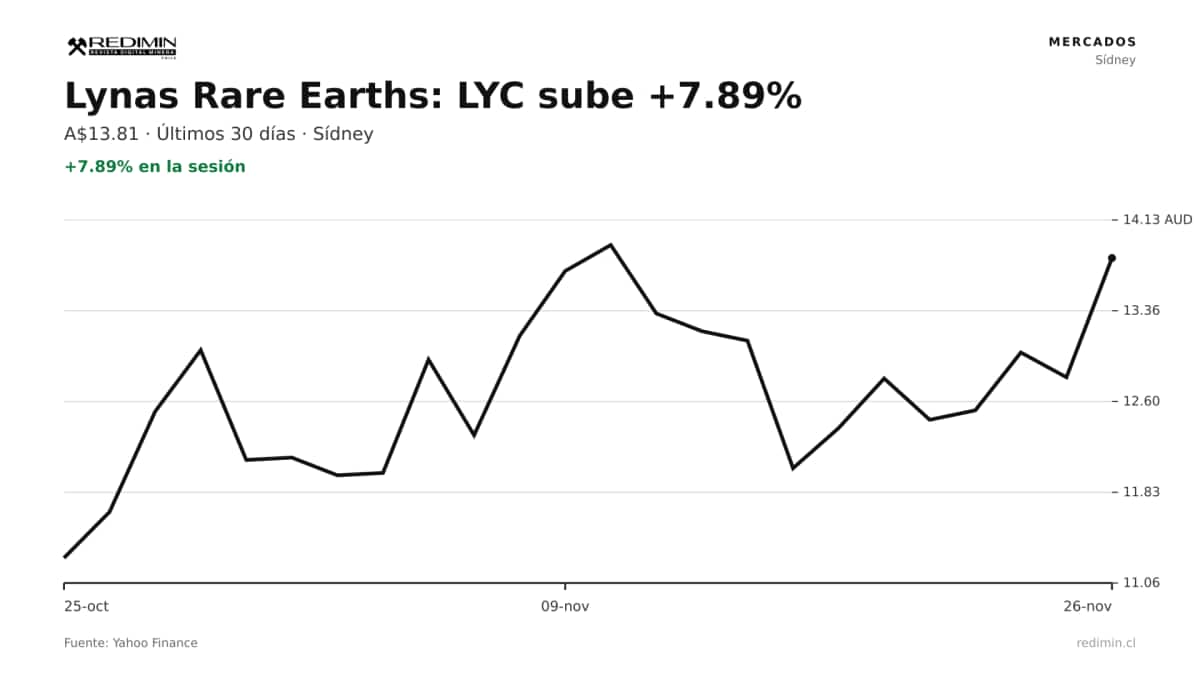
Lynas shares jump in Sydney but remain well below their 52-week high
The trading record captures the move but offers no company-specific explanation for the advance.
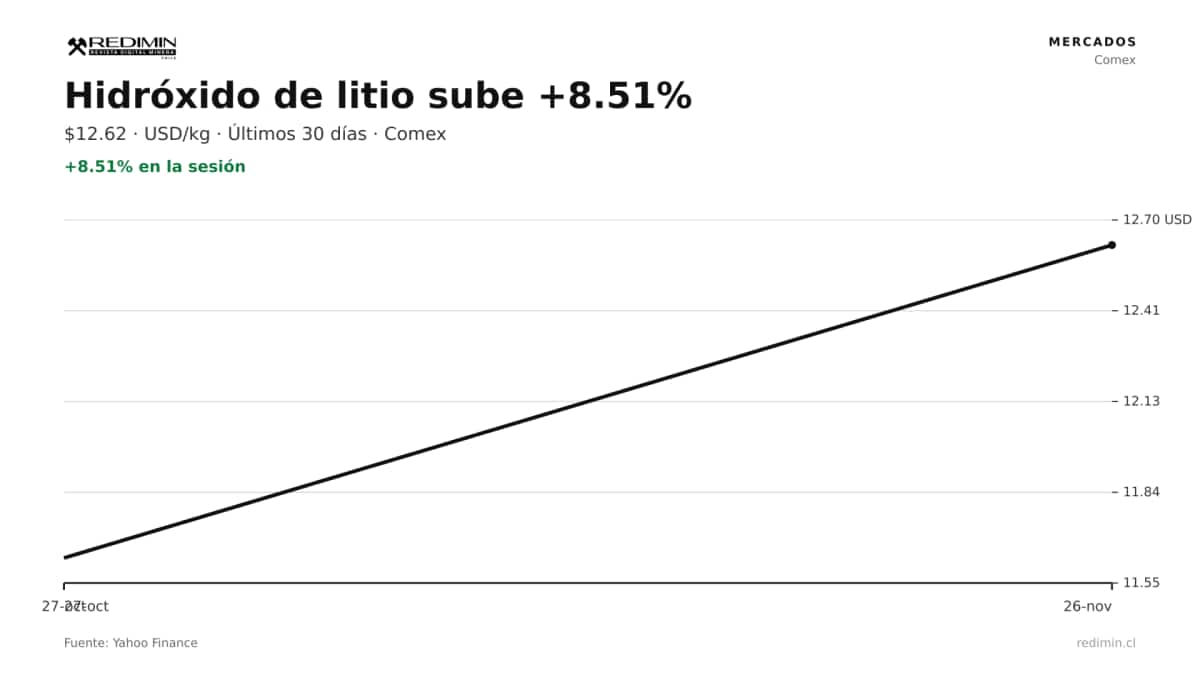
Comex lithium hydroxide jumps 8.51%, but flat ranges obscure trading
The LTH=F listing records volume of 3 without a unit, leaving the session’s activity difficult to assess.
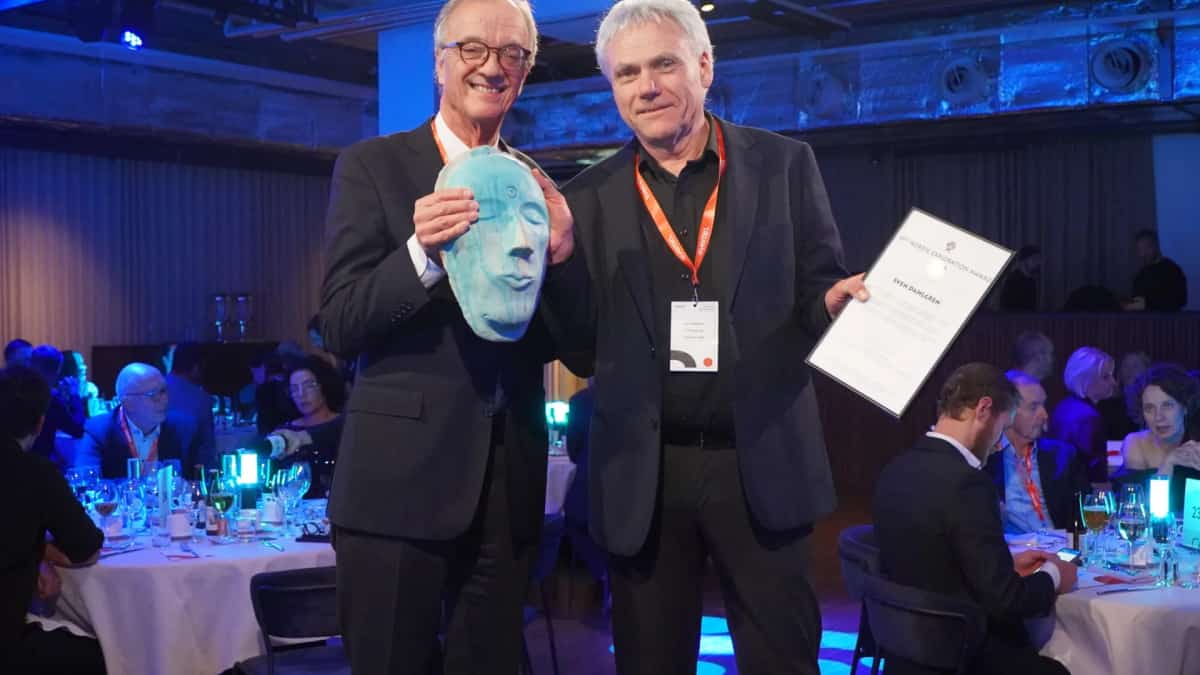
Sven Dahlgren wins Nordic award for Fen as rare-earth production remains unconfirmed
His mapping helped establish the geological basis for exploration, while project-level resource estimates and schedules remain undisclosed.