
China extends US mineral export pause, but licensing controls remain
For US manufacturers, finding alternatives means more than locating ore: gallium and germanium need specialized recovery from other production streams.
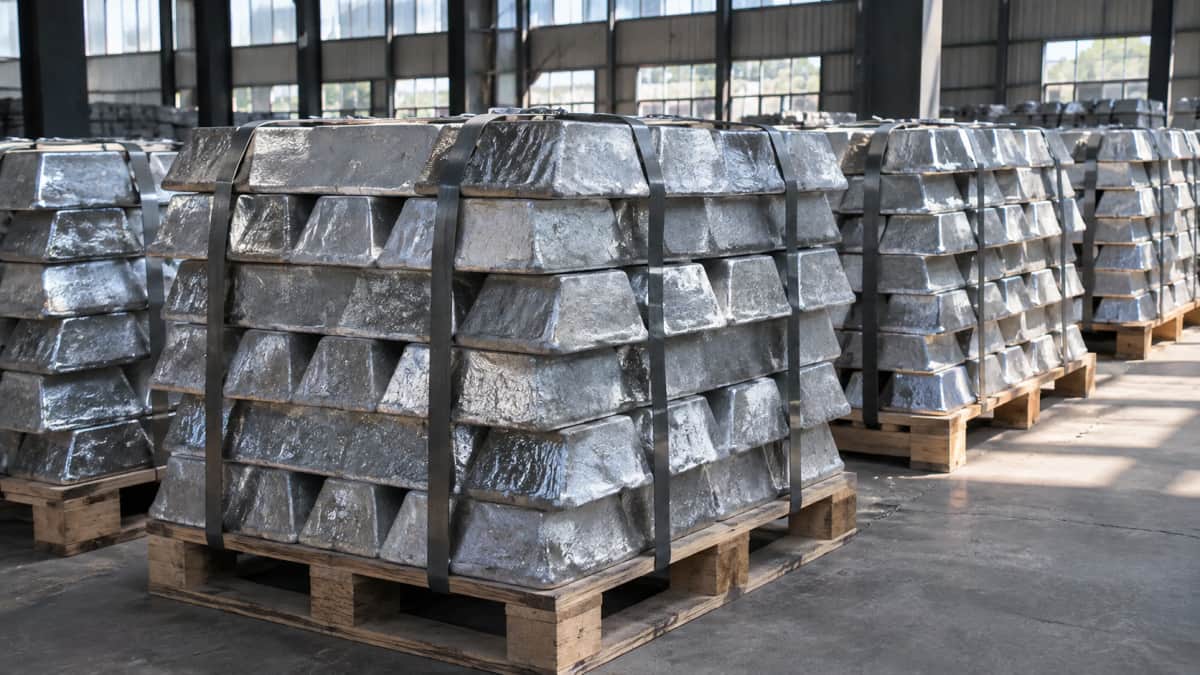
Why it matters: The extension gives manufacturers time, but concentrated production and specialized recovery routes leave US buyers exposed to future policy changes.
99% — China’s estimated share of primary low-purity gallium production in 2025.
85% — The combined share of global mined antimony production attributed to China, Russia and Tajikistan in 2025.
27 January 2027 — The scheduled end of the extended suspension.
3 December 2024 — The date China imposed tighter conditions on certain shipments to the US.
China will keep the suspension of certain export restrictions on gallium, germanium and antimony to the United States in place until 27 January 2027, extending the measure by two months, according to an announcement by the Ministry of Commerce on 24 November. The suspension runs from 28 November and does not remove general export licensing requirements or restrictions applying to certain US military users and uses.
The extension also covers certain dual-use products related to superhard materials and maintains the suspension of additional end-user and destination reviews for specified graphite exports to the US. The decision prolongs a temporary easing of controls within a broader regulatory framework, rather than lifting export oversight altogether.
A temporary pause within a licensing regime
The restrictions were tightened on 3 December 2024, amid trade tensions over US limits on China’s access to advanced semiconductor technologies. China temporarily suspended specific measures in November 2025 as part of a trade rapprochement. The latest extension preserves that easing but leaves exporters subject to general licensing rules.
Gallium, germanium and antimony trade in relatively small markets, yet each has uses that can be difficult to replace. Gallium compounds are used in high-frequency semiconductors, power electronics and communications systems. Germanium is used in fibre-optic infrastructure, infrared sensors and high-efficiency solar cells. Antimony has applications in flame retardants, alloys and lead-acid batteries.
Controls on these inputs can therefore affect manufacturing chains whose economic value far exceeds the value of the raw materials themselves. The extension offers a period of continued trade under the specified suspension, but does not settle the longer-term availability of supply.
Production concentration complicates alternatives
China accounted for an estimated 99% of global primary low-purity gallium production in 2025. Antimony mining was also concentrated: China produced 36% of the total, Russia 29% and Tajikistan 20%, together representing about 85% of world output.
Replacing those sources is not simply a matter of developing new mines. Gallium is primarily recovered as a by-product of bauxite processing for alumina, while germanium is associated mainly with certain zinc ores and other industrial materials. Increasing supply requires specialized recovery processes in existing production chains, so higher demand or prices may not produce a rapid response.
Potential avenues in Latin America include evaluating gallium recovery in Brazil’s bauxite and alumina industry, drawing on Bolivia’s history of antimony production, and investigating associated elements in Peru’s zinc sector. Chile could assess concentrates, tailings and other metallurgical residues. Whether any of these routes can contribute depends on mineral content, available technology and competitive costs.
January deadline keeps supply policy in focus
The next decision before the suspension expires will matter to US buyers: another extension would preserve the current easing, while reinstating the specific restrictions could add hurdles to procurement. In the meantime, efforts to diversify suppliers, build recycling capacity, hold strategic inventories and improve recovery processes remain relevant to reducing exposure.
The current measure does not guarantee uninterrupted supply or remove licensing requirements. Exporters must continue to comply with those rules, and the suspension is scheduled to end on 27 January 2027.
More in Critical Minerals
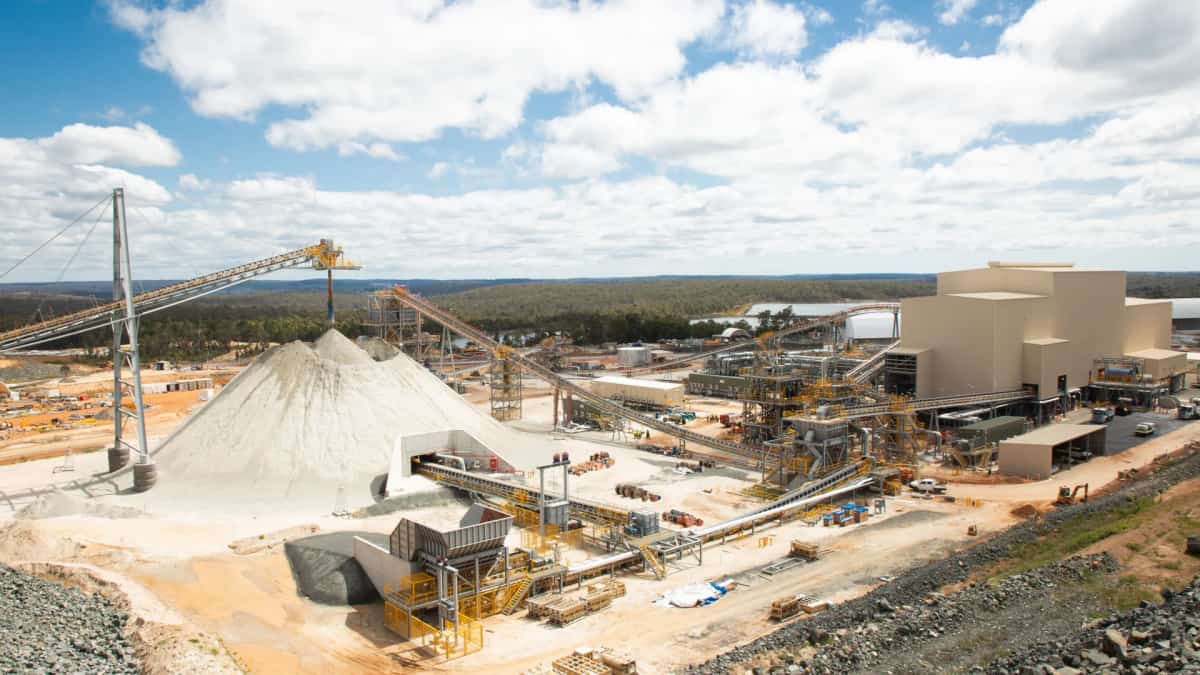
Cyclic Materials picks German site, but its five-plant European plan remains unbuilt
Discarded motors, hard drives and industrial equipment are the proposed feedstock for a facility intended to supply a separate chemical hub.
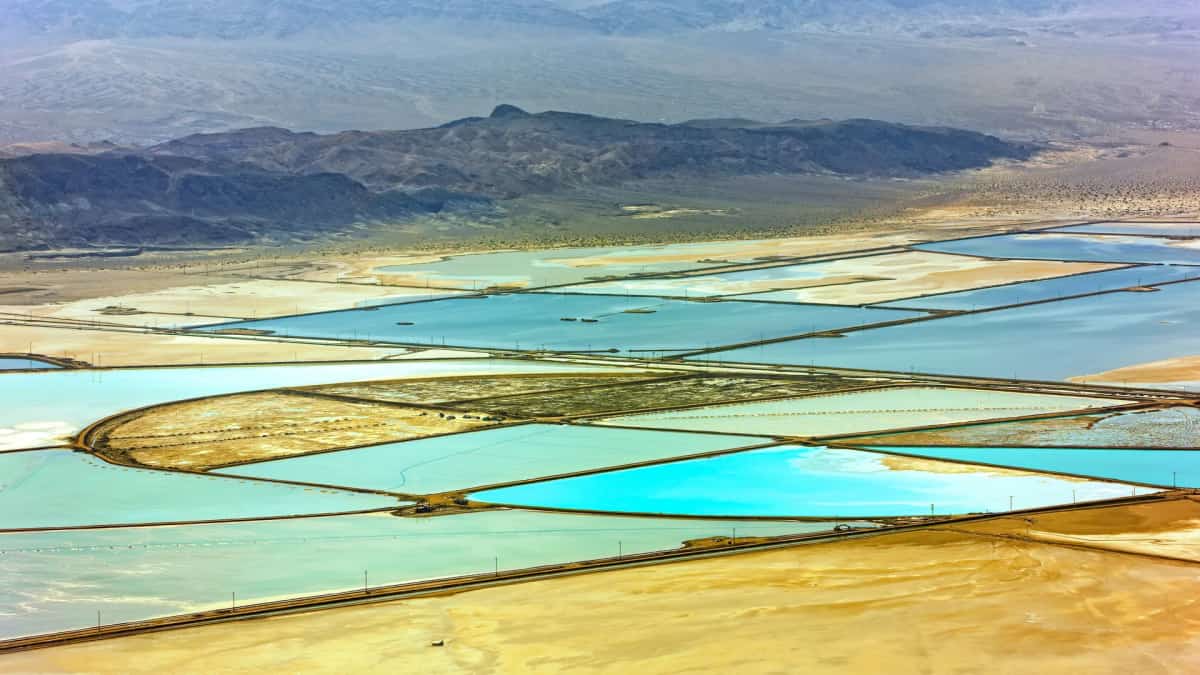
Lithium Atlas puts 500-plus projects under scrutiny over their land footprint
A two-year inventory tracks ownership and projected output, but its territorial overlays shift attention from how much lithium to where projects sit.
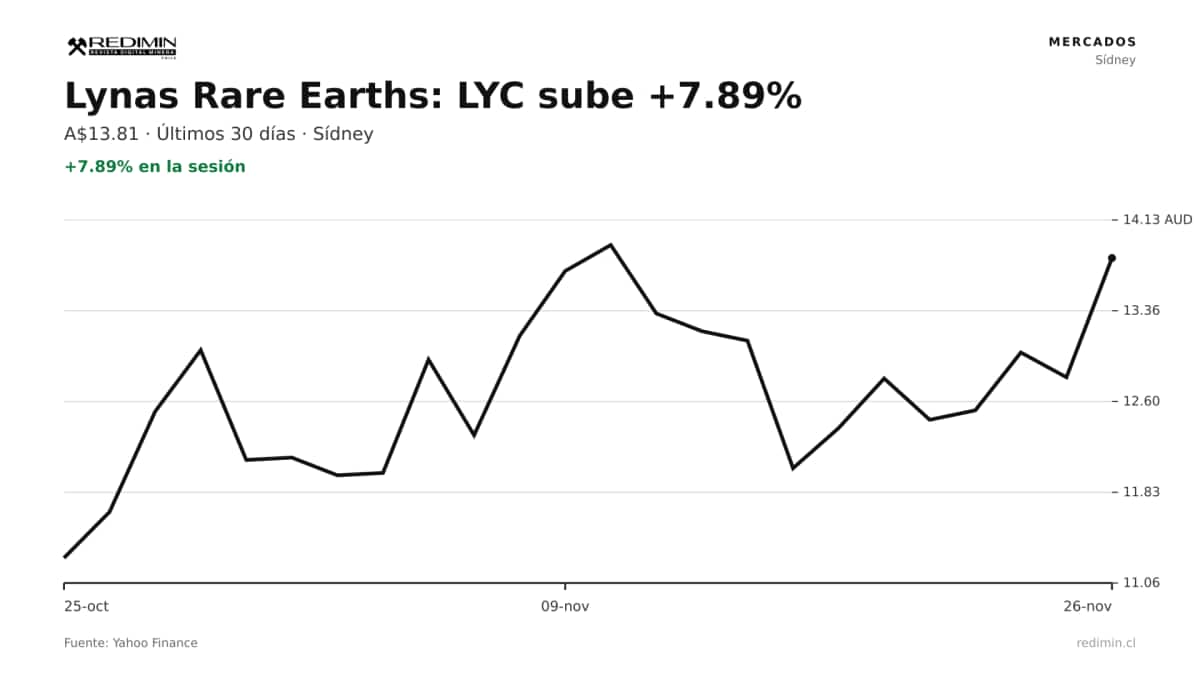
Lynas shares jump in Sydney but remain well below their 52-week high
The trading record captures the move but offers no company-specific explanation for the advance.