
Xi, Trump and Putin pledge refined-oil support as Hormuz disruption shadows summit
With Hormuz shipments disrupted, the leaders’ energy pledge came without a timetable for additional supply.
Why it matters: A commitment to expand refined-oil supply could affect global energy flows, but the leaders gave no targets to measure its impact.
1 hour, 20 minutes — duration of the leaders’ meeting.
Three countries — China, the United States and Russia took part in the Shenzhen summit.
Three decades — the period over which the US refinery operating rate was at its highest for the same time of year.
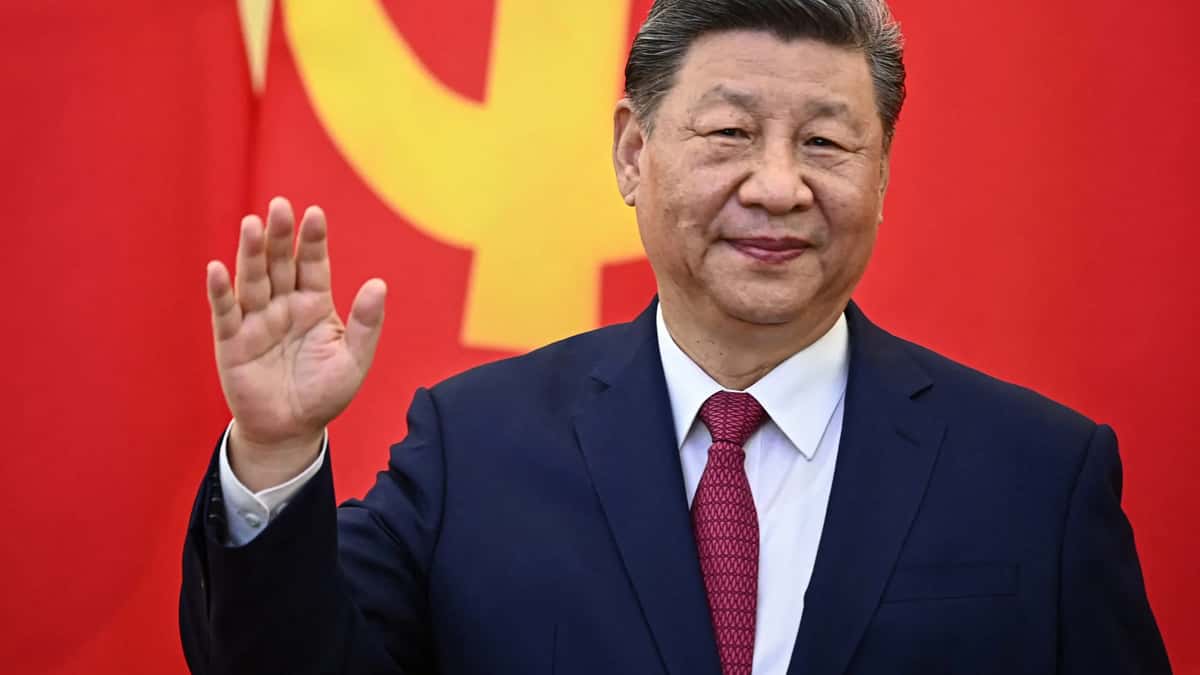
Xi Jinping, Donald Trump and Vladimir Putin agreed to increase production and supply of refined petroleum products at their first trilateral summit, held in Shenzhen on 19 November alongside the APEC meeting. Their joint declaration linked the commitment to stability in global energy flows, but gave no production volumes or implementation timetable and did not directly name the wars in Ukraine or Iran.
The energy pledge came as oil shipments through the Strait of Hormuz were disrupted. Trump said the route had been blocked by the war with Iran and stated that the United States would not allow Iran to obtain a nuclear weapon. The leaders also reaffirmed that a nuclear war cannot be won or fought, and called for reducing nuclear risks and dialogue on proliferation.
Energy commitments meet different supply constraints
The three countries face different conditions in refining and crude supply. The US refinery operating rate was the highest for the comparable period in three decades, according to the account of the meeting. Russian facilities had sustained damage, while China’s crude-oil imports remained below the level recorded before the US-Iran war.
The declaration did not set out how the three governments would coordinate the refined-product commitment or how much additional supply they intended to provide. Without volumes or a timetable, its potential effect on disrupted energy flows cannot yet be assessed from the terms announced.
Conflicts discussed but omitted from the joint text
The leaders exchanged views on Ukraine, the Middle East and the Korean Peninsula, but the declaration did not explicitly refer to the wars in Ukraine or Iran. Putin said Kyiv and Brussels were not yet willing to make concessions to end the conflict in Ukraine. He said he had sent diplomatic invitations to European capitals for representatives to travel to Moscow and clarify their positions.
On international courts, the declaration stressed state consent and officials’ immunity, and said the International Criminal Court and similar bodies should not abuse their jurisdiction. A follow-up account of the summit said the three governments opposed such courts prosecuting state officials.
Xi proposes regular contacts and a crisis mechanism
Xi described the meeting as “positive, constructive and productive” and proposed regular contact at the highest level, as well as a trilateral mechanism to prevent crises. He warned that minor friction could escalate if leaders stopped communicating. Trump argued that peace had never been made by passing up opportunities for dialogue, while Putin called the meeting open and useful.
The declaration did not specify the proposed mechanism’s membership, operating procedures or implementation schedule. The White House called the gathering unprecedented, while Chinese Foreign Minister Wang Yi described it as a milestone for international relations.
More in Resources
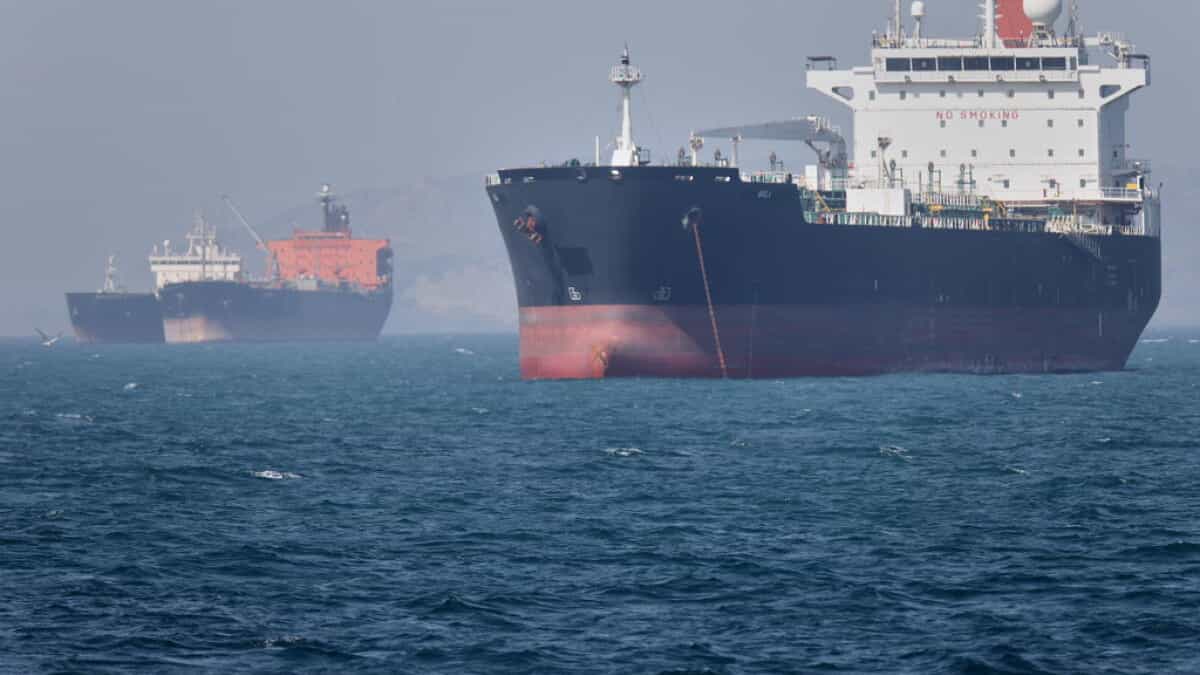
Hormuz ship attacks leave a rescue effort under way off Oman
A product tanker and an LPG carrier were struck near Khasab as navigation alerts tracked a separate vessel drifting offshore.
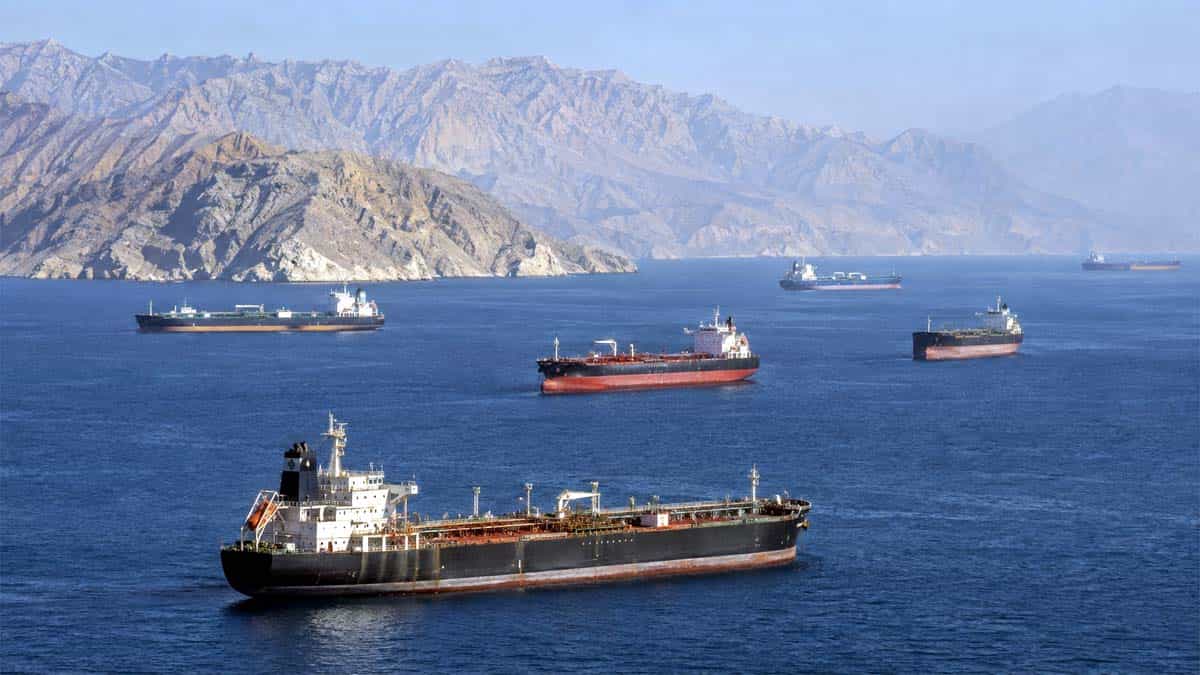
IEA’s 2050 oil outlook collides with a prolonged Strait of Hormuz disruption
About 20 million barrels a day moved through the strait before the crisis, putting the agency’s long-range consumption case against an immediate supply shock.
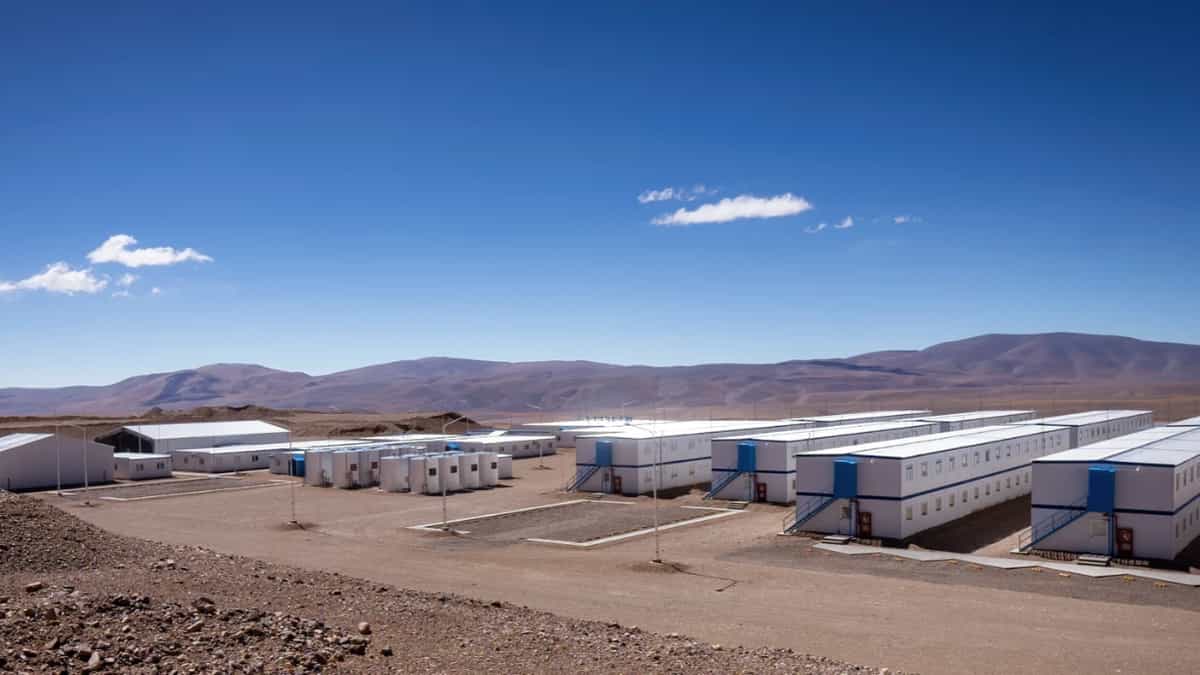
Vicuña awards San Juan camps, but North Corridor logistics remain unfinished
The sites will support a 220-kilometre access route, but each camp must also operate its own power and water systems.