
IEA’s 2050 oil outlook collides with a prolonged Strait of Hormuz disruption
About 20 million barrels a day moved through the strait before the crisis, putting the agency’s long-range consumption case against an immediate supply shock.
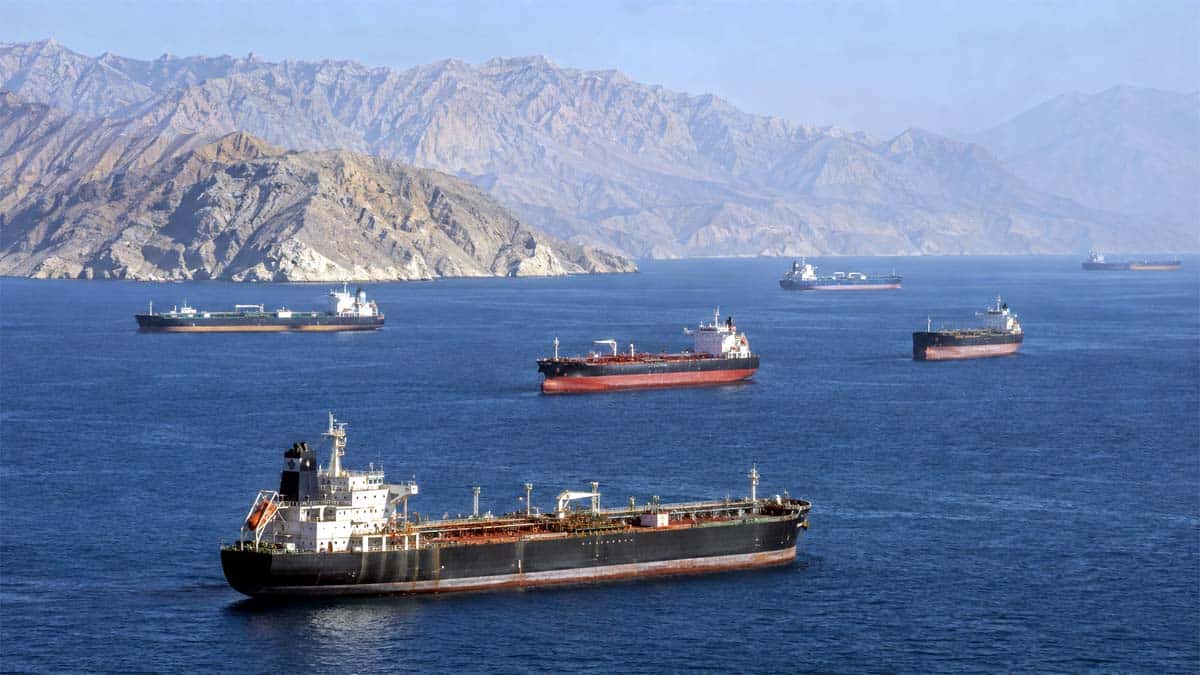
Why it matters: The IEA’s outlook puts long-term oil consumption growth alongside a supply route whose disruption could remove a substantial share of current flows.
114 million barrels per day — IEA oil-demand projection for 2050 under current policies
16.1 million barrels per day — estimated peak decline in global oil supply from pre-war levels
Below 2 million barrels per day — projected Hormuz trade in 2035 if severe disruption persists
30% — projected share of global energy use represented by electricity in 2035
The International Energy Agency expects global oil demand to reach 114 million barrels per day in 2050 under its current-policies scenario, up from 102 million b/d in 2025. The projection comes as a prolonged Strait of Hormuz disruption has produced what the agency describes as the largest global energy-supply shock on record.
The IEA’s World Energy Outlook 2026 says the conflict that began after February’s US and Israeli attacks on Iran threatens energy security on a scale greater than the oil shocks of the 1970s. The disruption was still under way in November. The agency has also warned that energy markets will struggle to return to pre-conflict conditions.
Hormuz losses could persist beyond the immediate crisis
The IEA puts cumulative losses to the global market at 2.8 billion barrels of crude oil and 60 billion cubic metres of natural gas. At the conflict’s worst point, global oil supply was estimated to have fallen 16.1 million barrels per day from its pre-war level. In September 2026, the agency projected an annual supply decline of 5.7 million b/d due to disruptions in the Middle East.
Before the crisis, about 20 million b/d of oil moved through Hormuz. If severe disruption continues, the IEA-cited scenarios put trade through the strait at 8.5 million b/d in 2030 and below 2 million b/d in 2035. These are conditional scenarios, not observed volumes for those years.
Alternative overland routes in the Middle East have combined capacity of about 7 million b/d and would require an estimated US$40 billion in investment. That capacity would not, by itself, replace the volume previously shipped through Hormuz. Liquefied natural gas is also exposed: Qatar and the United Arab Emirates have no viable diversion route, while about 110 billion cubic metres of gas passed through the strait last year.
Electricity and cooling reshape the demand mix
The report also projects a change in how energy is used. Electricity is expected to rise from 23% of global energy use in 2025 to 30% in 2035. The IEA’s estimate adds another percentage point to electricity’s share when the conflict’s effects are included.
For the first time, global demand for building cooling is projected to exceed demand for heating. In the reference scenario, cooling demand grows by 1,700 terawatt-hours through 2035; under extreme-heat scenarios, the increase is 40% greater. The outlook therefore combines continued oil-demand growth under current policies with a changing energy mix and a near-term supply route still exposed to disruption.
More in Resources
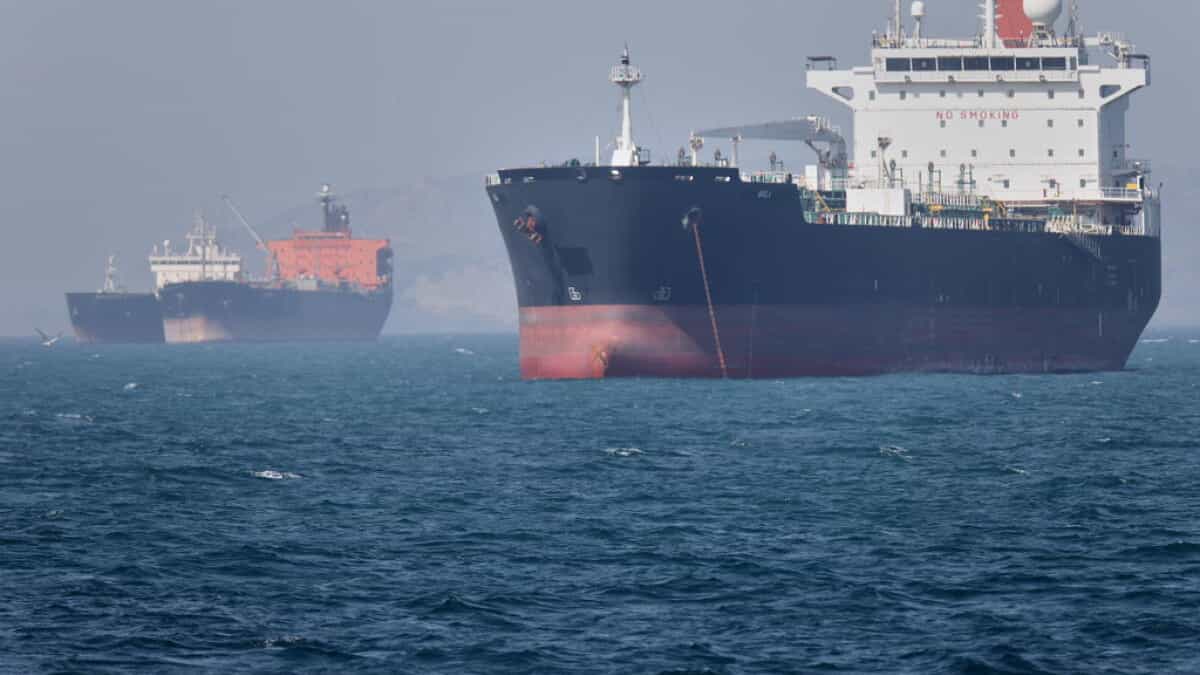
Hormuz ship attacks leave a rescue effort under way off Oman
A product tanker and an LPG carrier were struck near Khasab as navigation alerts tracked a separate vessel drifting offshore.
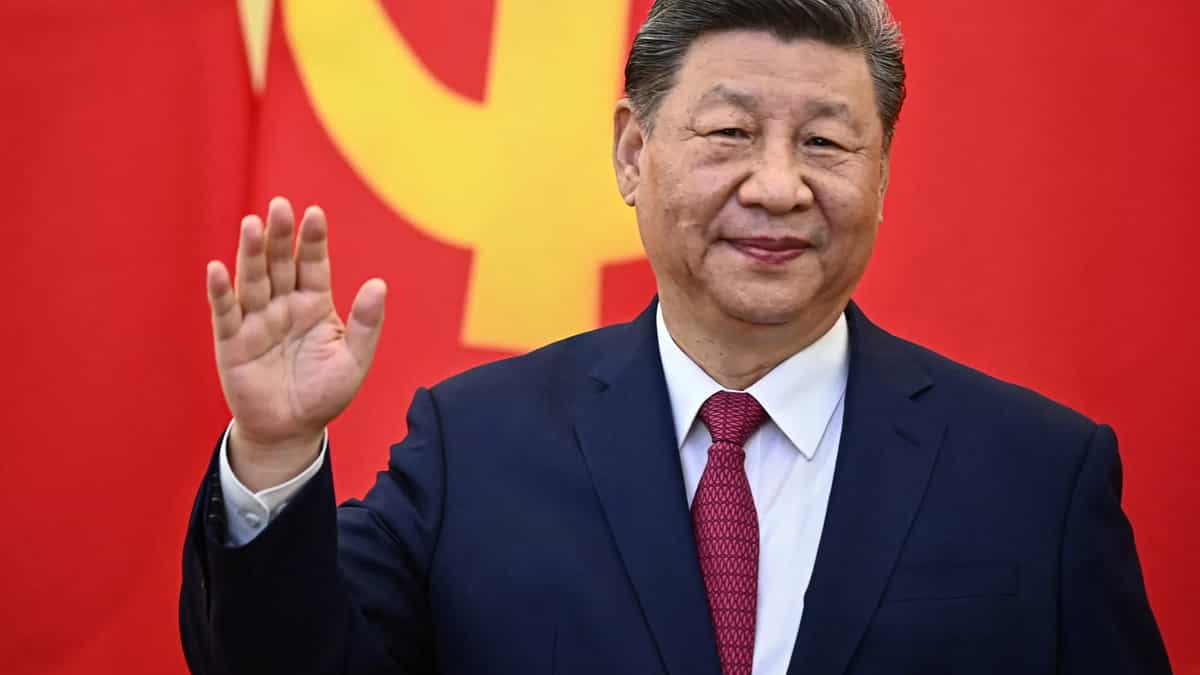
Xi, Trump and Putin pledge refined-oil support as Hormuz disruption shadows summit
With Hormuz shipments disrupted, the leaders’ energy pledge came without a timetable for additional supply.
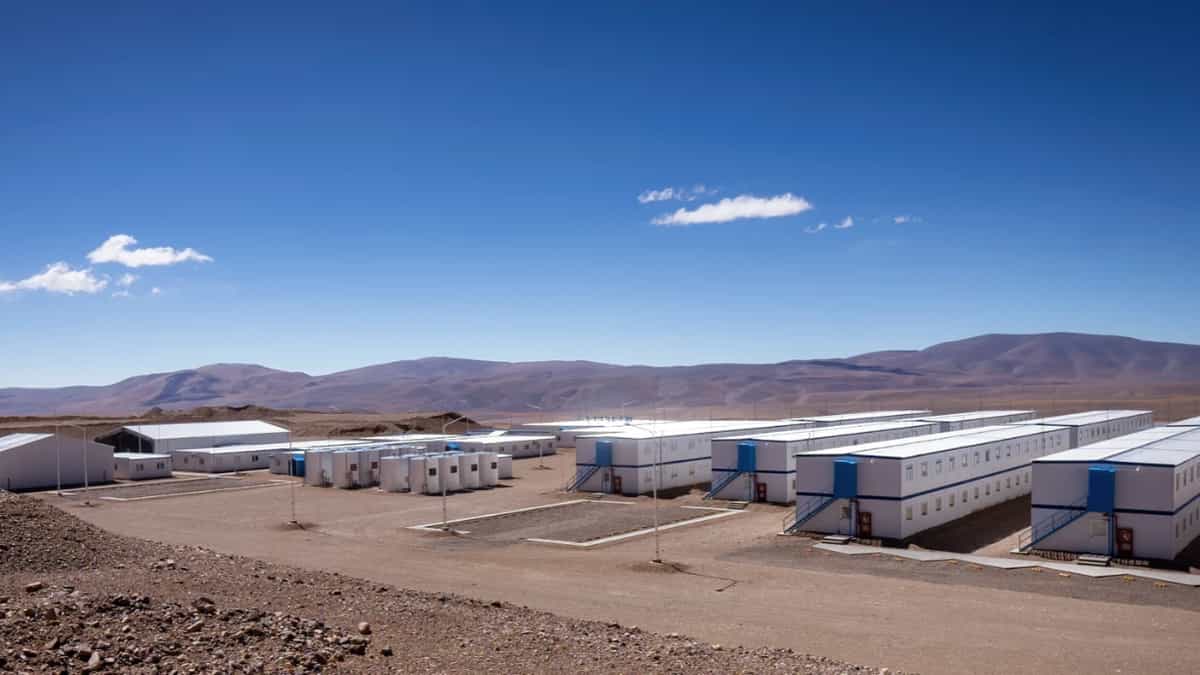
Vicuña awards San Juan camps, but North Corridor logistics remain unfinished
The sites will support a 220-kilometre access route, but each camp must also operate its own power and water systems.