
UC Mining took Sandvik’s open-pit training from the classroom to a copper mine
Twenty participants worked across a chain that runs from strategic mine planning to tailings management.
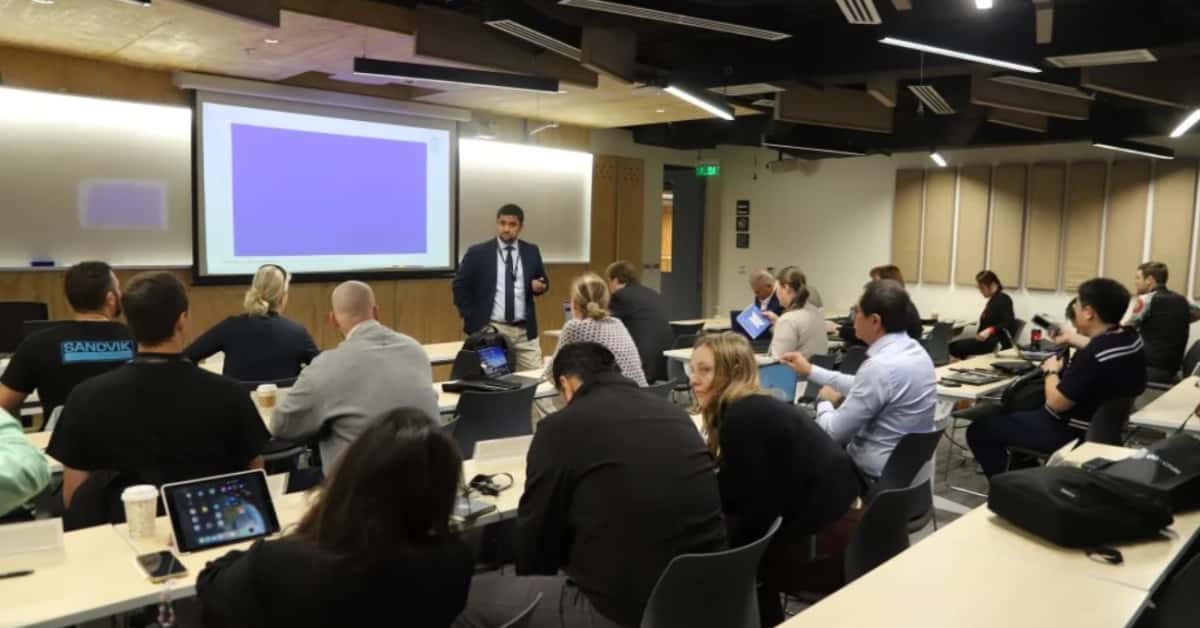
Why it matters: The programme connected mine planning, equipment decisions and tailings management—areas that shape performance across an open-pit operation.
20 professionals — Sandvik participants from different countries
5 days — the course ran from November 16 to 20
9 universities — institutions in the Sandvik International Mining School network
UC Mining trained 20 Sandvik professionals in open-pit mining and large-scale processing during a course in Chile from November 16 to 20, combining classroom sessions with visits to Anglo American’s El Soldado copper operation and technical facilities in Santiago.
The course, “Open-Pit Mining Techniques and Large-Scale Processing,” was delivered by the Department of Mining Engineering at the Pontifical Catholic University of Chile and Engineering UC Professional Education. It formed part of the Sandvik International Mining School (SIMS), an international programme launched in March 2026 and administered by Colorado School of Mines.
The curriculum ran from mine planning to tailings
Sessions covered strategic mine planning, drilling and blasting, loading and haulage, equipment selection, mineral processing and tailings management. The programme linked planning and production topics with downstream processing and waste handling.
The UC Mining teaching team included initiative coordinator Enrique Jélvez, alongside Álvaro Videla, Patricio Lillo, Lilian Velásquez, Marcos Goycoolea and Daniel Silva.
El Soldado provided the field component
At El Soldado, the delegation was introduced to the characteristics and processes of an open-pit copper operation. Participants also visited Sandvik’s Santiago facilities. On the course’s closing day, they toured laboratories at the Department of Mining Engineering and DitLab, both at the university’s San Joaquín campus.
Olivia Livneh, consortium programme manager at Colorado School of Mines, described visits to operating sites as an important part of SIMS because they allow participants to see aspects of the classroom material in practice. The available programme details do not specify which processes were demonstrated during the El Soldado visit.
SIMS draws on nine universities
SIMS brings together nine universities selected for experience and specialisation across different areas of mining. Each institution contributes a perspective to the programme, Livneh said, with the aim of broadening participants’ understanding of the industry’s value chain.
Jélvez said UC Mining’s participation creates links with international academic institutions and industry, and reflects Chile’s mining education and specialisation capabilities. The course also brought together academics, industry specialists and professionals from different countries to exchange technical and operational perspectives.
No learning assessments, certifications or dates for further SIMS courses in Chile were reported.
More in Resources
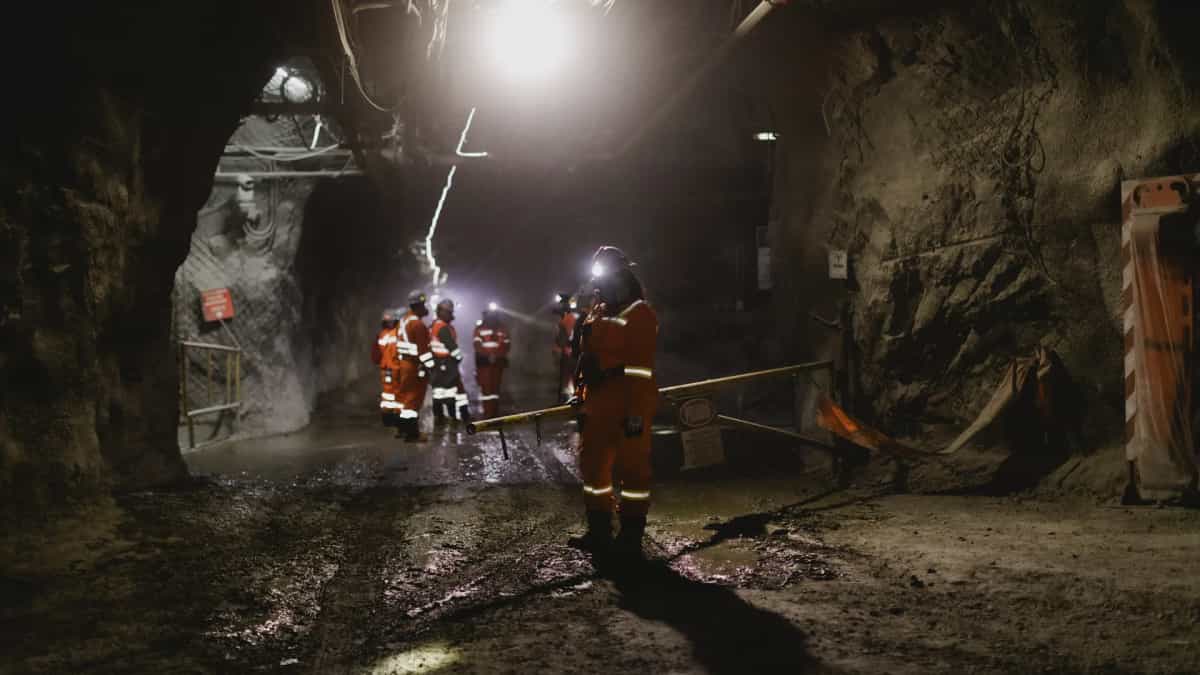
Codelco’s El Teniente shows investors remote mining, but safety gains remain hard to measure
Cathay Life and Vinci Compass toured the control centre as one analyst linked remote control to access in previously unsafe areas.
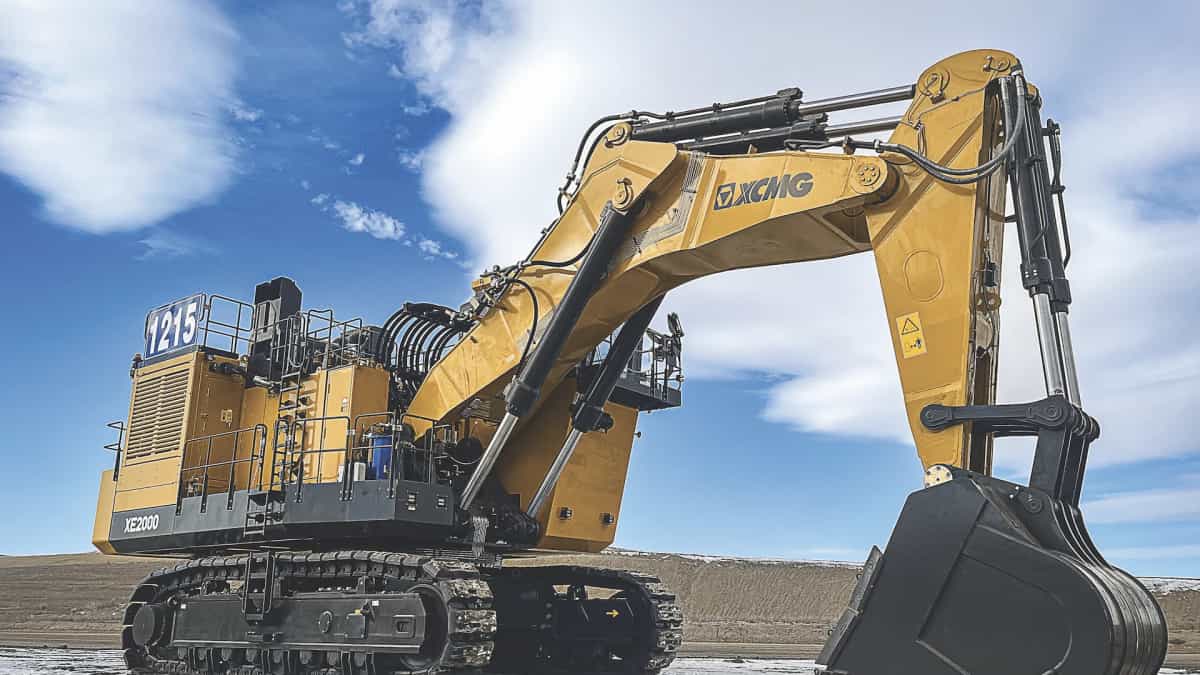
XCMG gains preferred-supplier status for Rio Tinto’s Winu, but the fleet is undecided
Winu is moving through approvals and land-access discussions, while Rio Tinto has yet to commit capital to the copper-gold project.
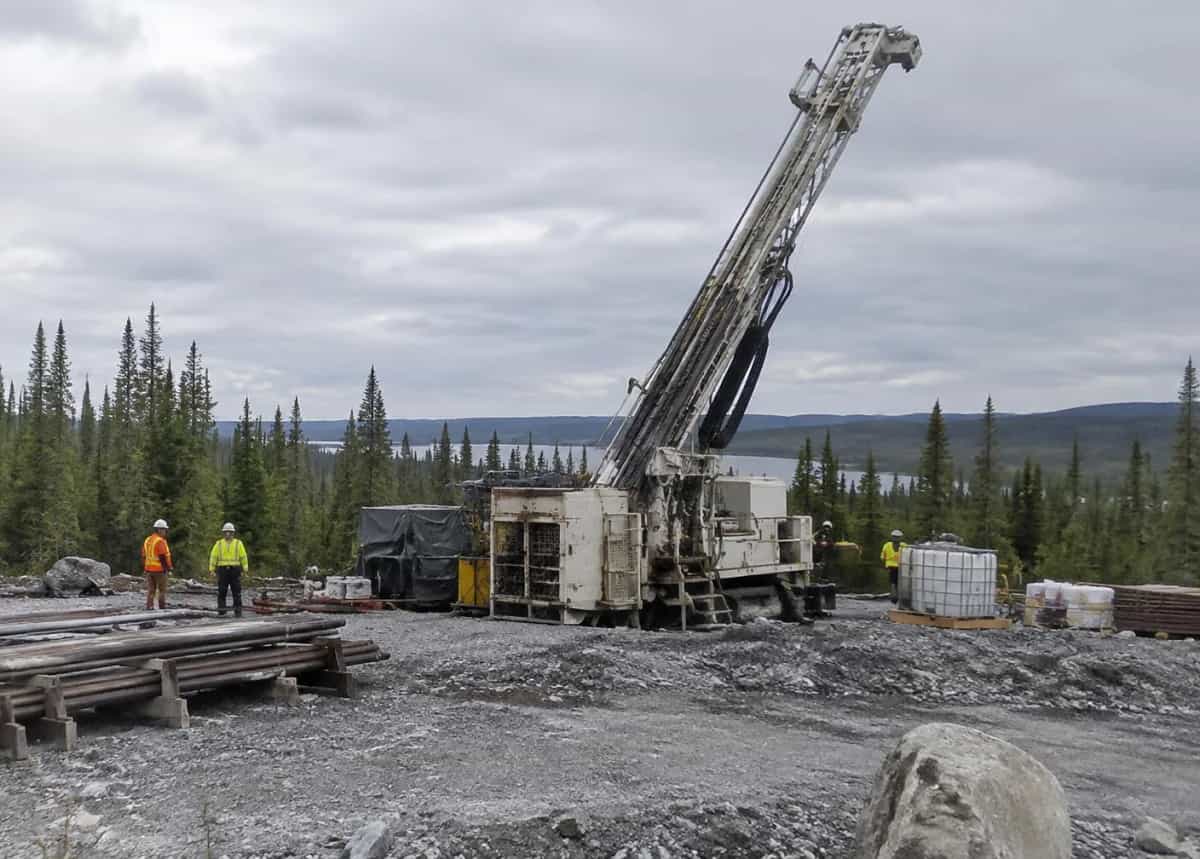
Opawica plans 10,000 metres at Arrowhead, but contractor remains unchosen
The Quebec campaign is designed to extend known gold zones, while a competitive contractor selection remains unresolved.