
XCMG gains preferred-supplier status for Rio Tinto’s Winu, but the fleet is undecided
Winu is moving through approvals and land-access discussions, while Rio Tinto has yet to commit capital to the copper-gold project.
australianmining.com.au
Why it matters: The preferred-supplier designation positions XCMG for a potential role at Winu, but neither equipment orders nor Rio Tinto’s investment decision are settled.
22 trucks — planned fleet used in Winu’s environmental assessment, based on the Komatsu 830E
Up to 10 million tonnes per year — processing capacity considered in the feasibility study
2030 — Rio Tinto’s target for first copper production
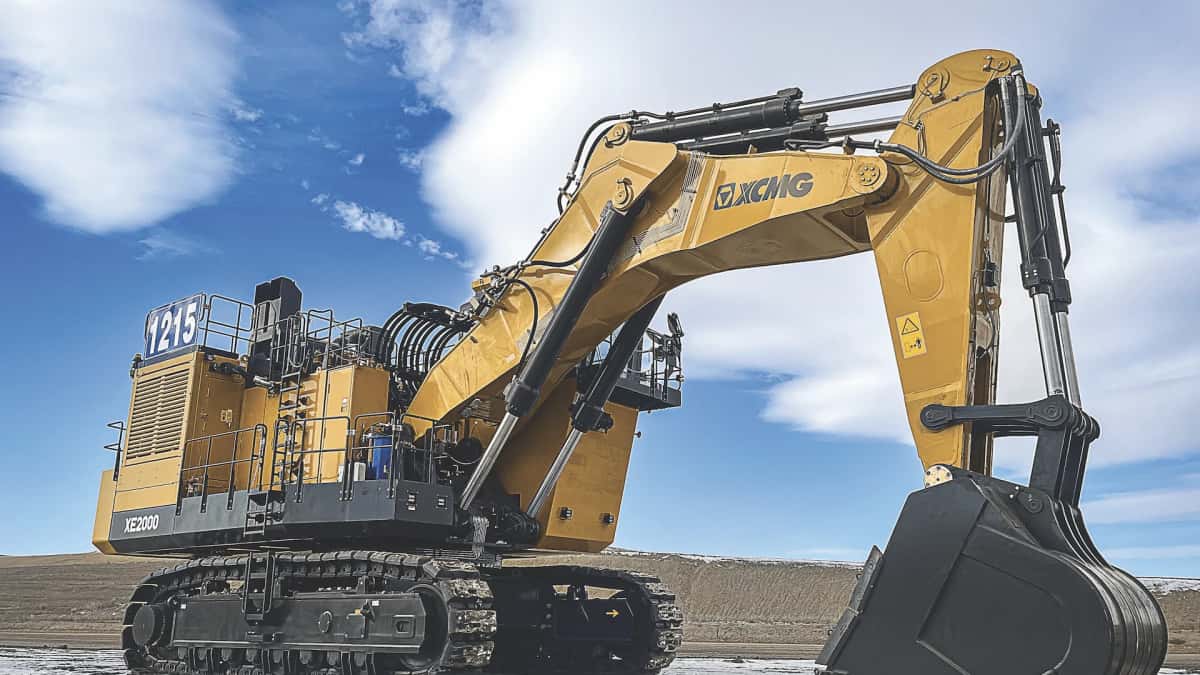
230 tonnes — class of XCMG’s XDE260 trucks operating at other sites
XCMG has received preferred-supplier status for heavy mining equipment at Rio Tinto’s Winu copper-gold project in Western Australia, but Rio Tinto has not selected the operation’s fleet. XCMG announced the recognition on 24 November during the opening day of bauma CHINA; it is not a final equipment award.
Winu, about 300 kilometres south of Broome in the Great Sandy Desert, is a joint venture with Sumitomo Metal Mining. It is the most advanced greenfield copper project in Rio Tinto’s development pipeline, as the miner seeks to expand its exposure to the metal.
XCMG has equipment operating at other Rio Tinto-linked sites
The companies have an existing equipment relationship. An XDE260 truck, in the 230-tonne class, recently entered service as primary haulage equipment at Rio Tinto SimFer, operator of blocks 3 and 4 in the southern section of the Simandou iron ore project in southeastern Guinea.
XCMG also has 12 XDE260 trucks working at a mine in the eastern Pilbara. The deployment is the Chinese manufacturer’s first truck fleet in Australia, where it has established service and support coverage. That regional presence could have influenced Rio Tinto’s preferred-supplier decision, but the company has not confirmed the reason.
Winu’s environmental documents used the Komatsu 830E for noise assessments and considered a planned fleet of 22 trucks. The Komatsu model has a similar payload capacity to the XDE260. Those assessment details do not confirm the number of trucks Rio Tinto will buy or the models it will choose.
Permits and land access remain part of Winu’s path
Winu has no final investment decision. The Western Australian Environmental Protection Authority published the project’s environmental review document for public comment on 27 August 2026; the consultation period closed on 22 October. The mining lease was granted on 22 September 2026.
Rio Tinto signed a project agreement with the Nyangumarta Warrarn Aboriginal Corporation on 8 September. In September 2026, the company also received Nyangumarta consent to develop the mine and associated infrastructure on their traditional lands. Discussions with Martu traditional owners are continuing over access to water and an airstrip; no further details on those talks were provided.
The feasibility study, which considers processing capacity of up to 10 million tonnes a year, was still expected to be completed by the end of 2026. Exploration drilling is also underway to assess the project’s full potential. Rio Tinto continues to target first copper in 2030, while the final investment decision and fleet selection remain outstanding.
More in Resources
Opawica plans 10,000 metres at Arrowhead, but contractor remains unchosen
The Quebec campaign is designed to extend known gold zones, while a competitive contractor selection remains unresolved.

China's Argentine mineral purchases top US by 47.5%, but Swiss lead
Lithium's expanding share is changing the export map, with Argentina's northwest increasingly central to the trade shift.
West Wits takes Qala Shallows to investors before stoping begins in 2027
The South African mine has poured gold from development ore, but its planned stoping phase is still months away.